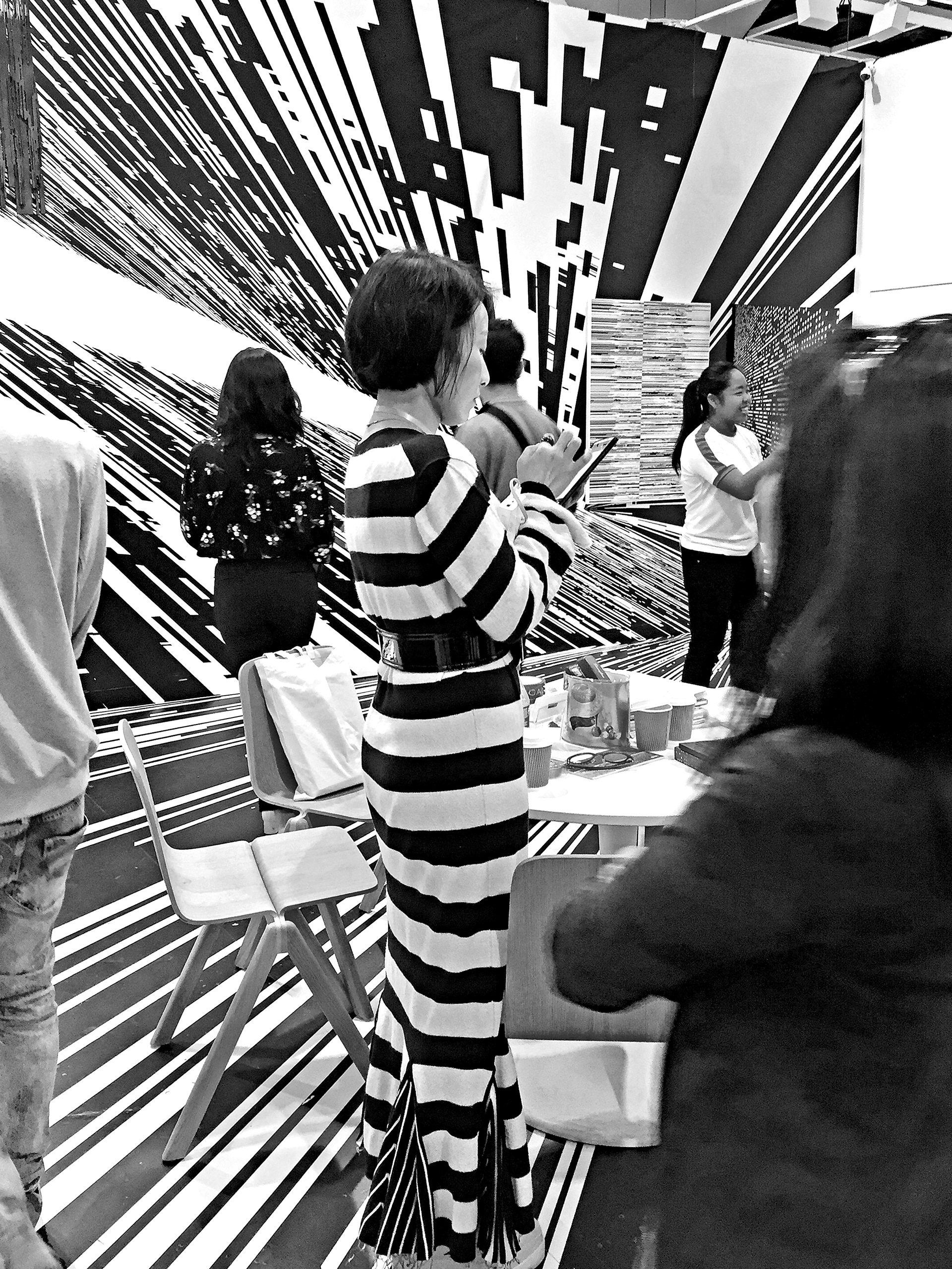
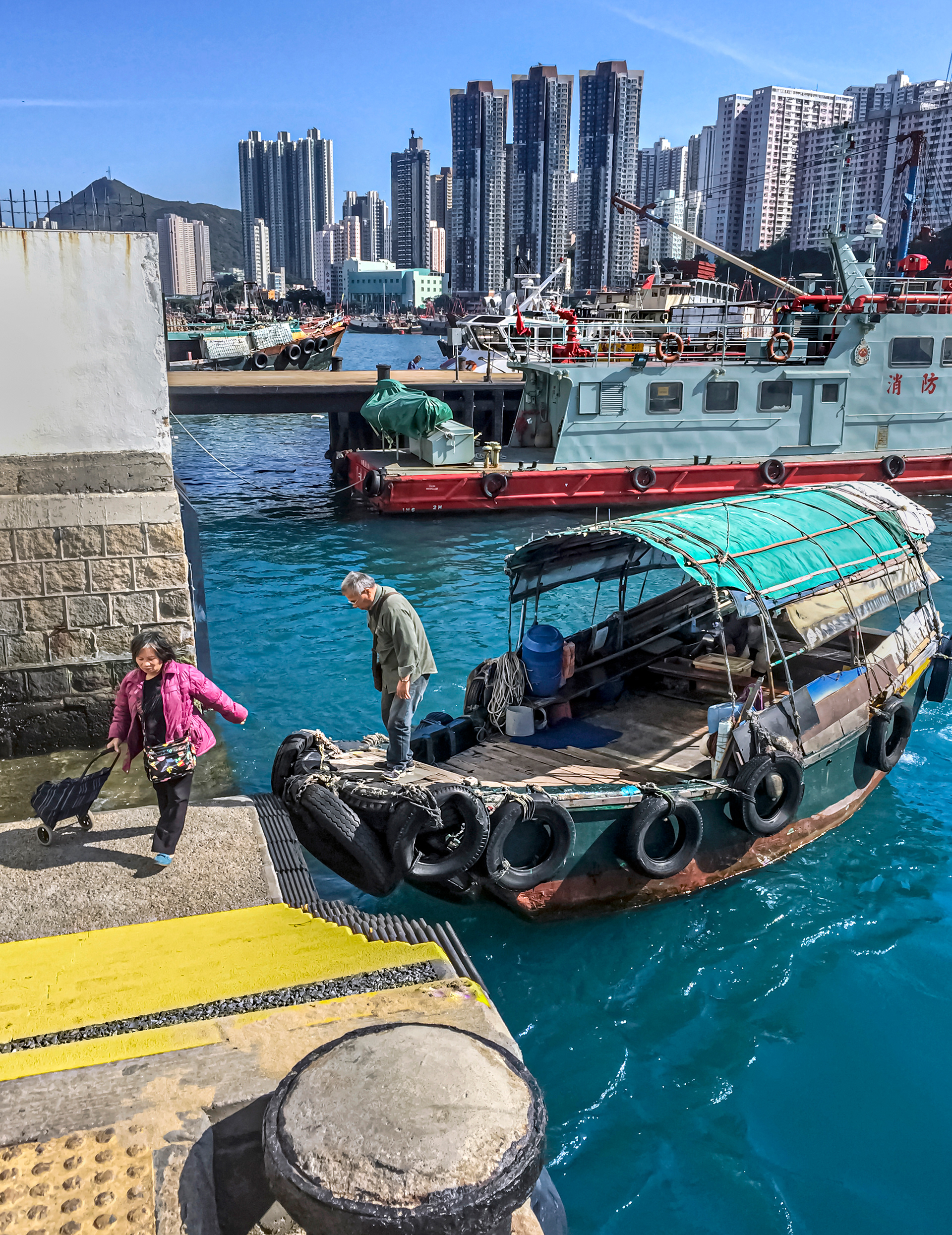

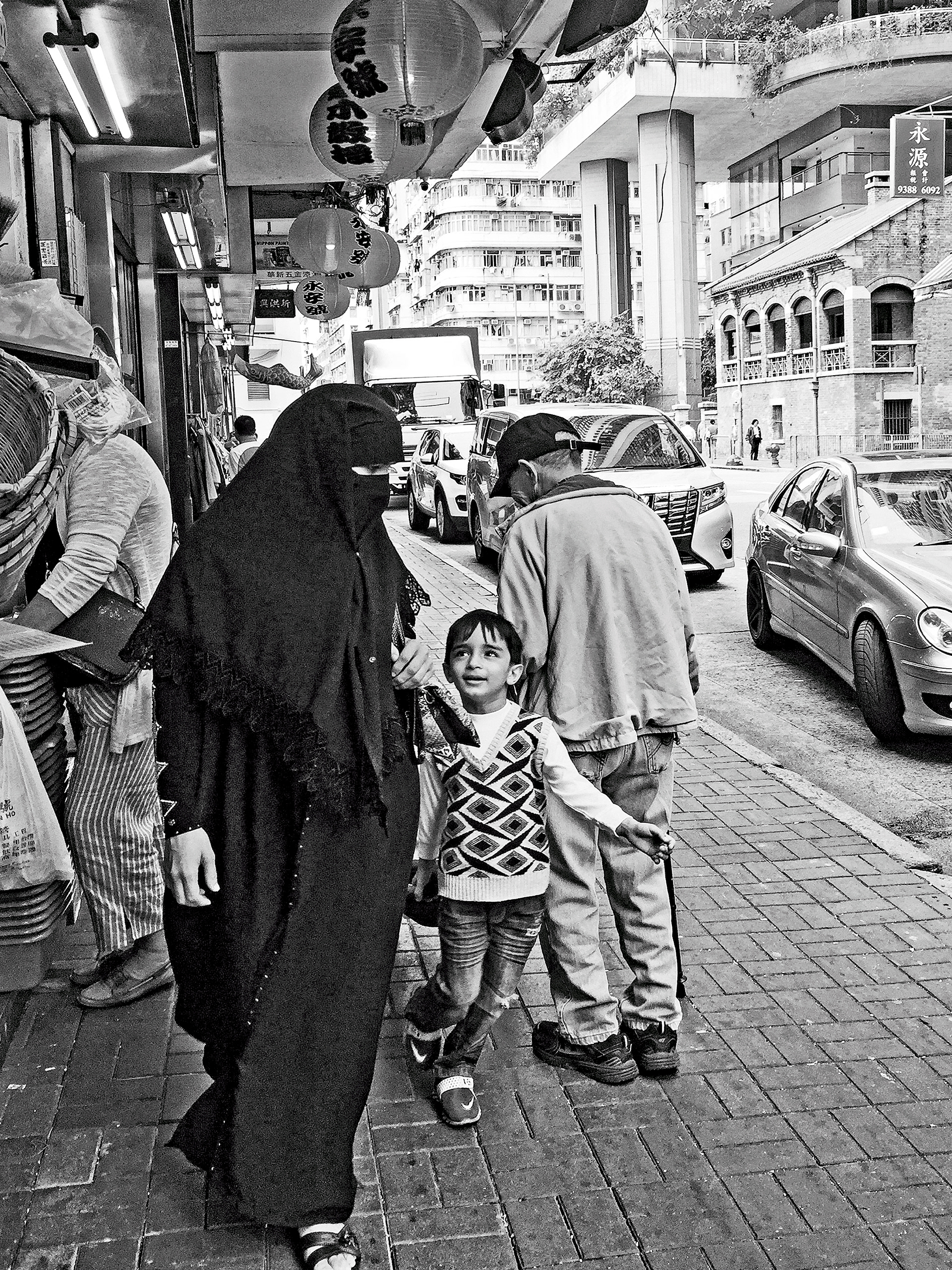
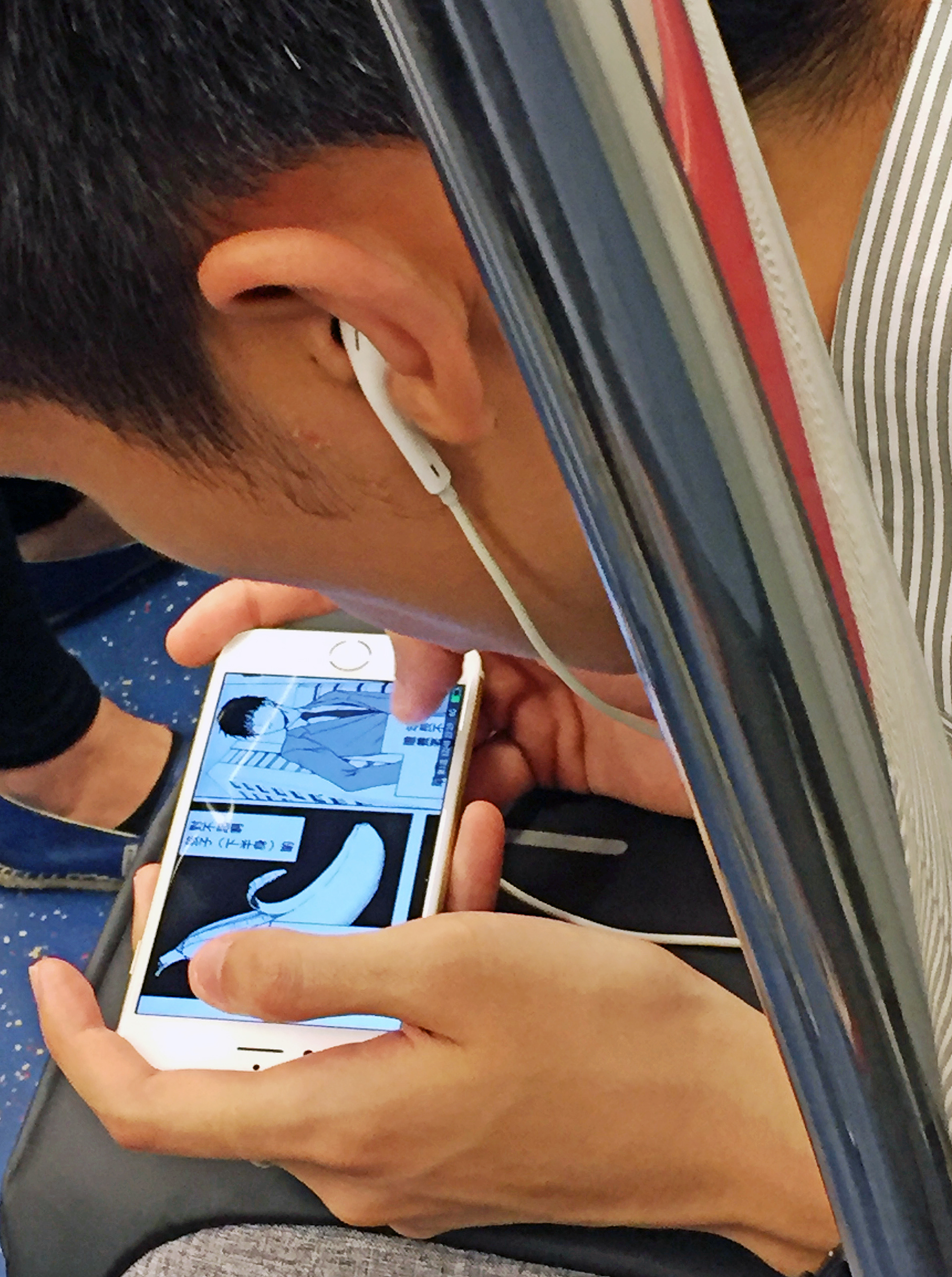
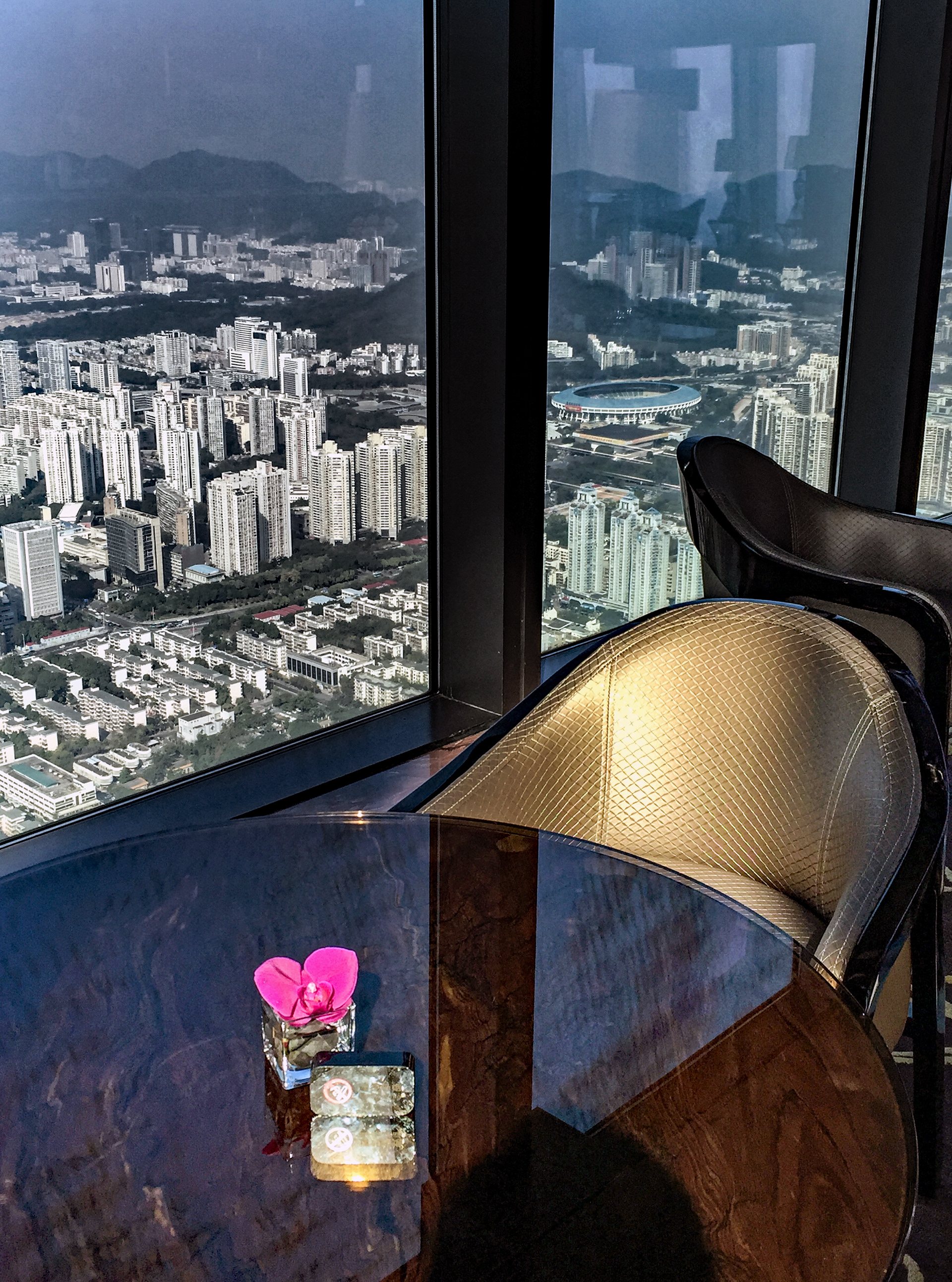
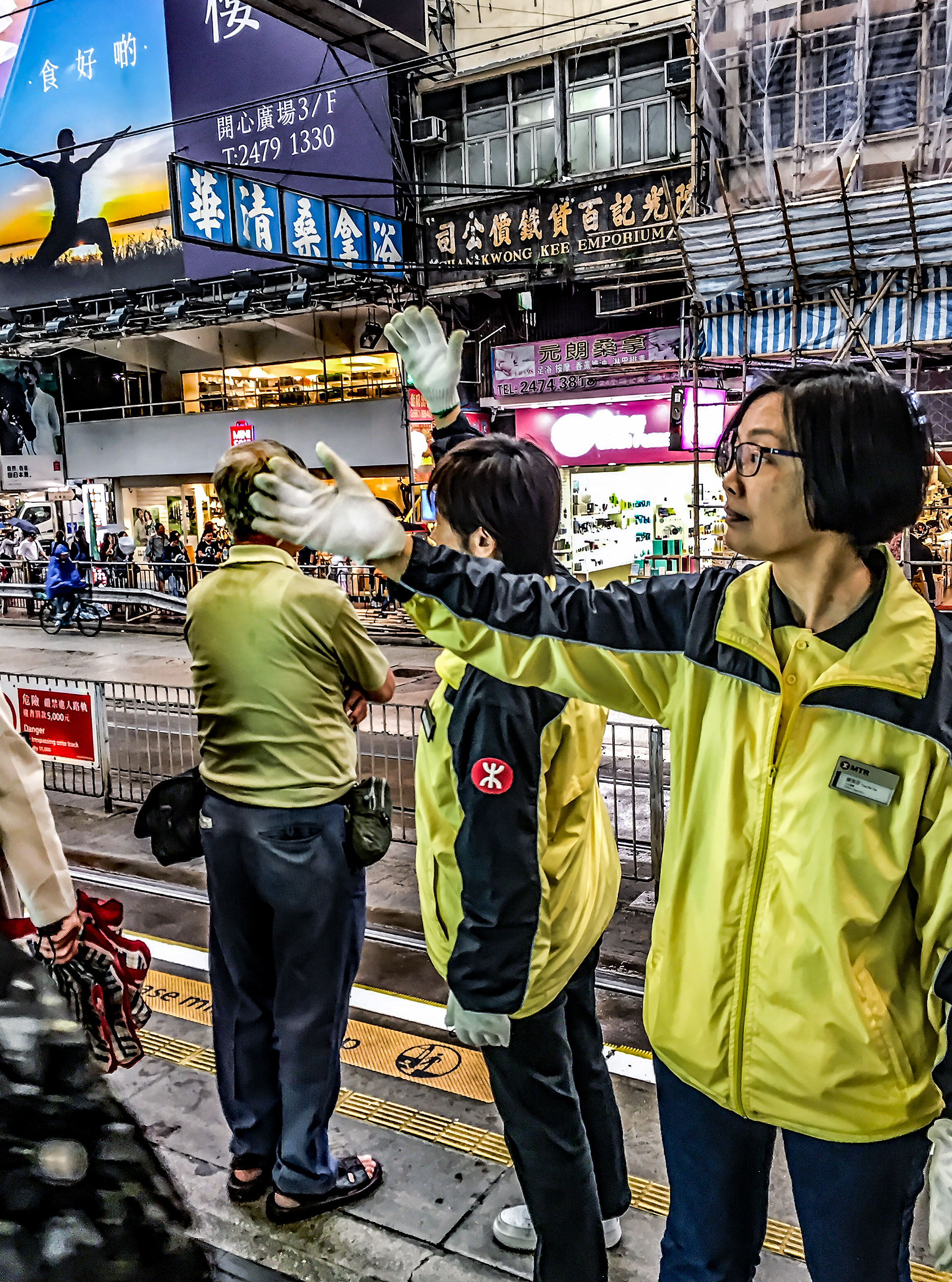
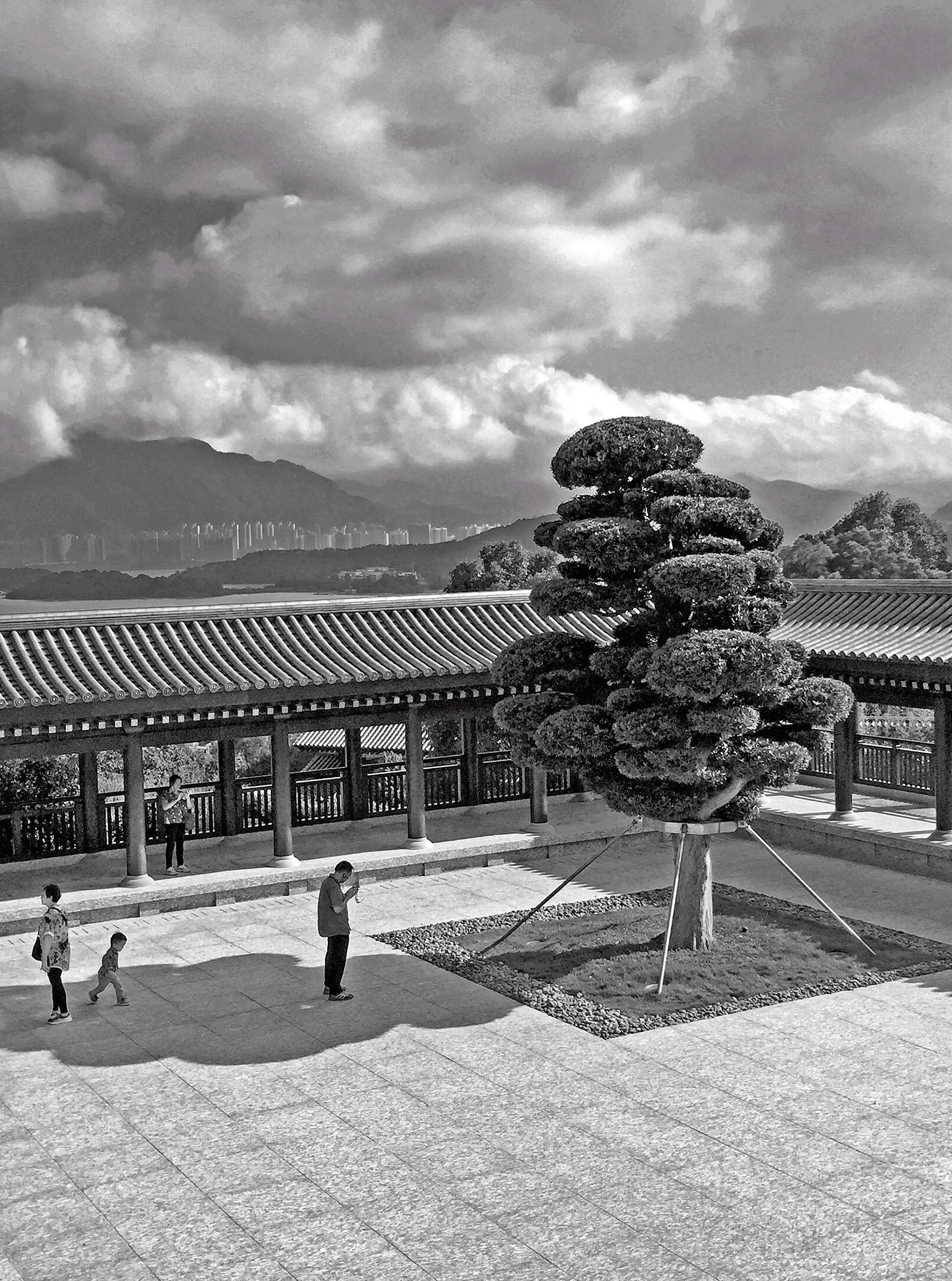
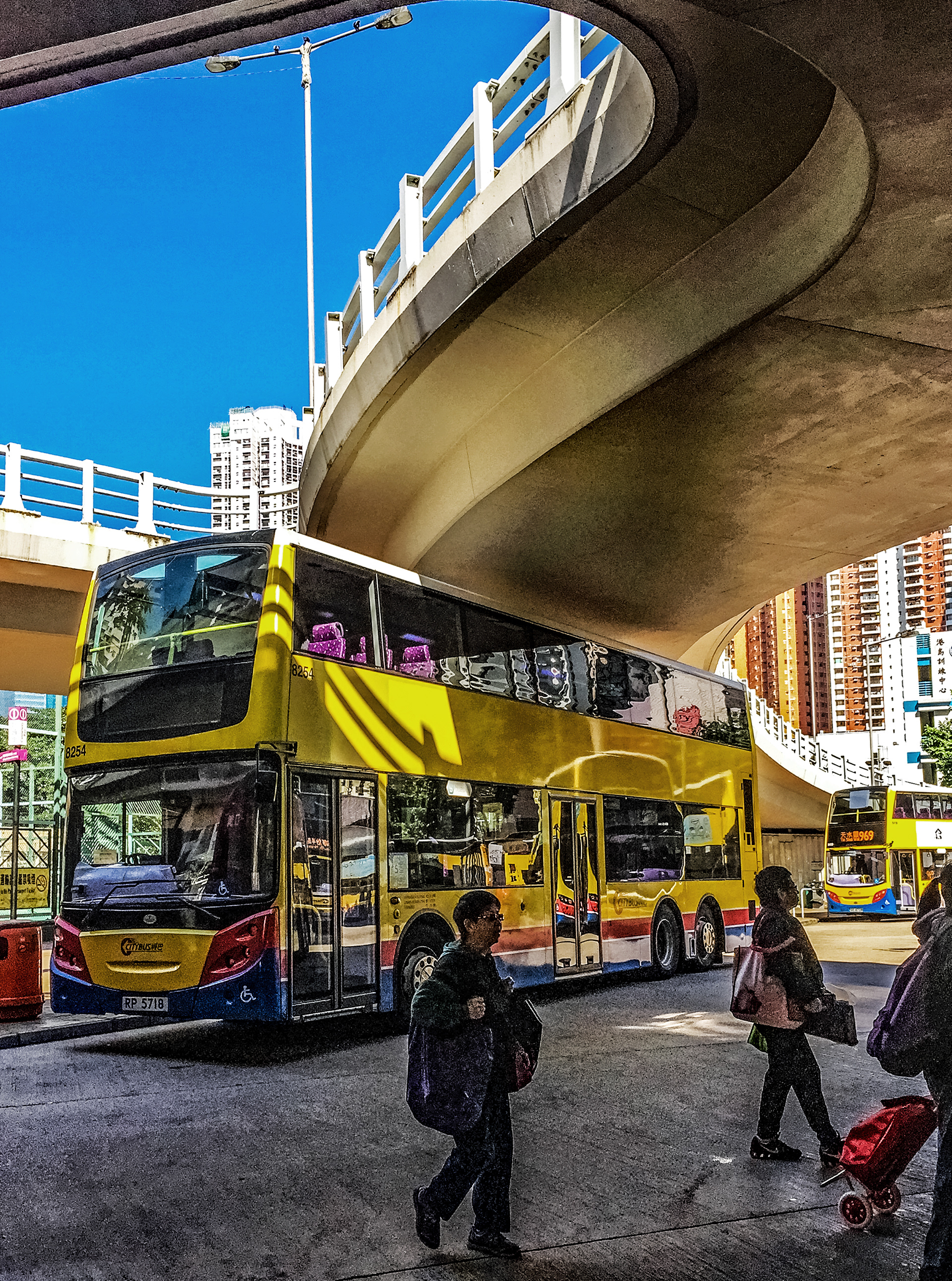
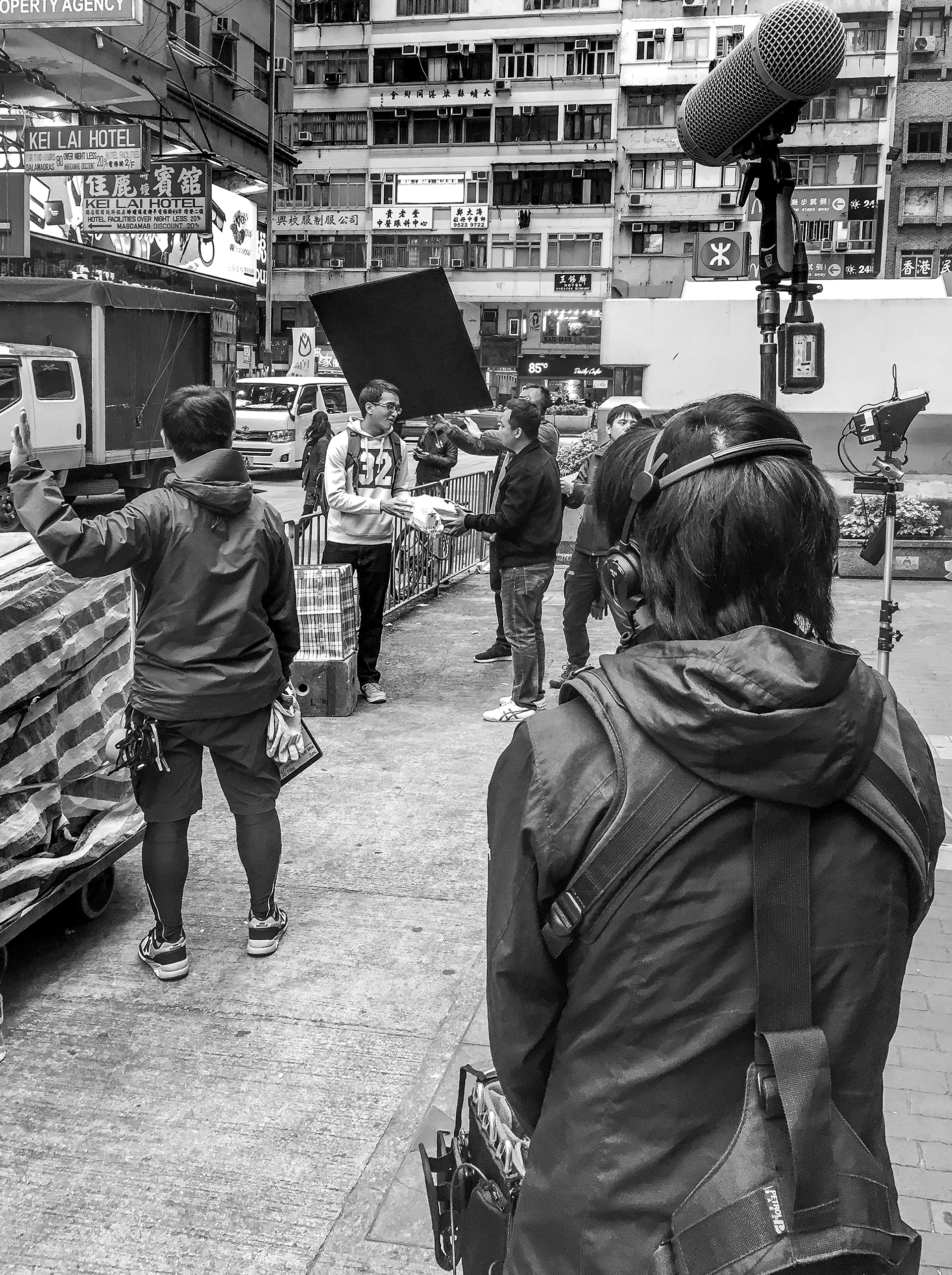
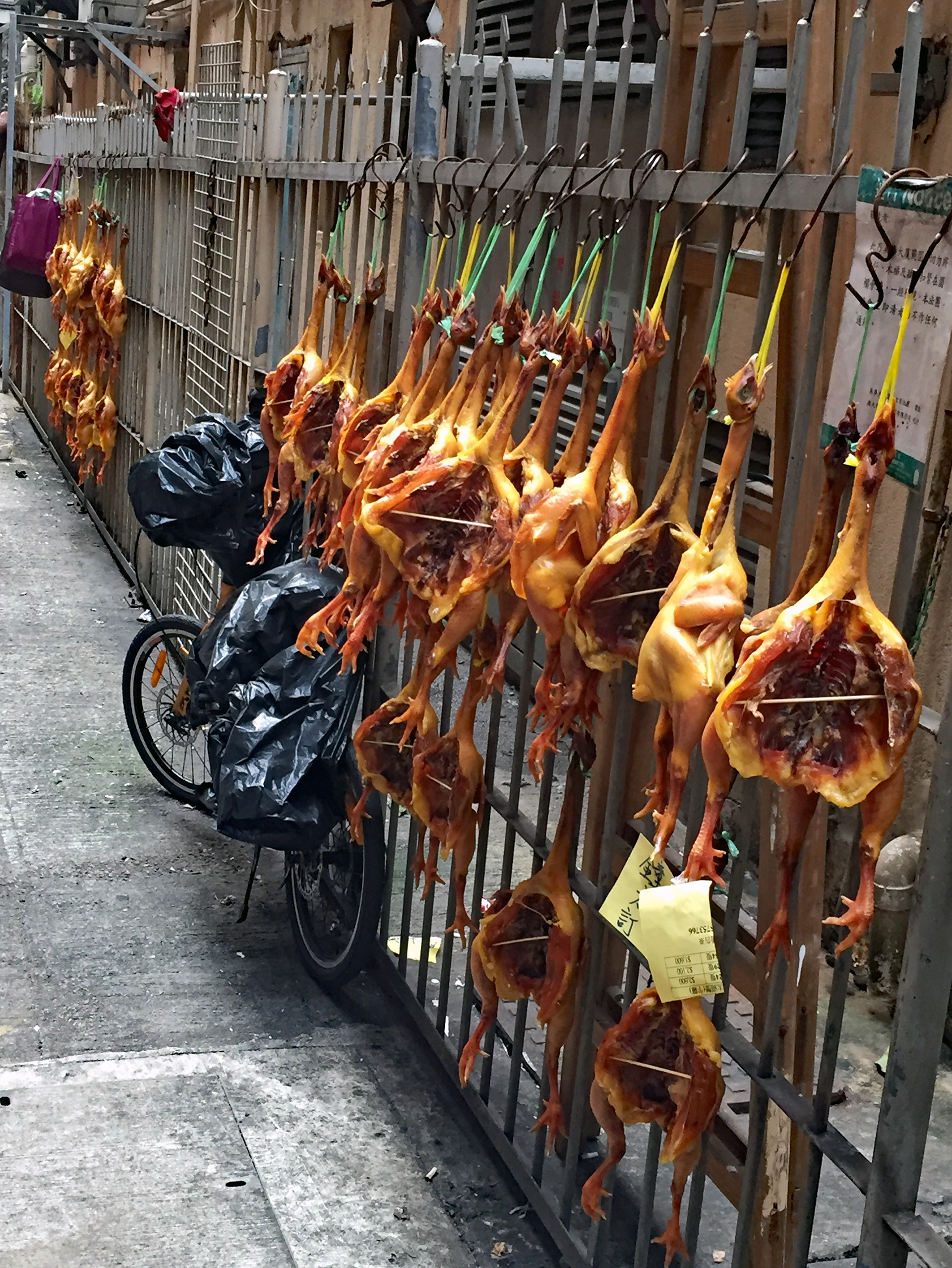
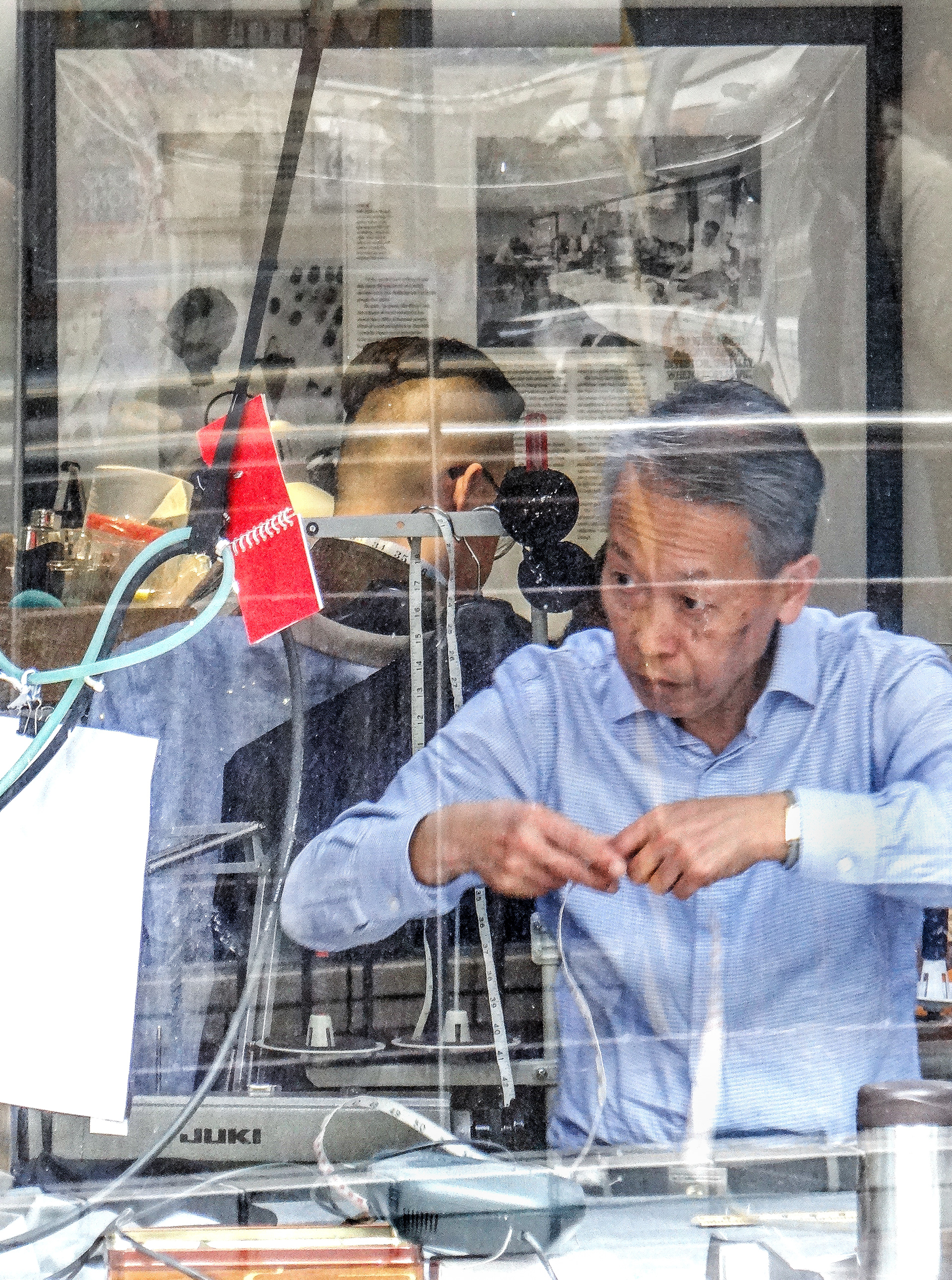
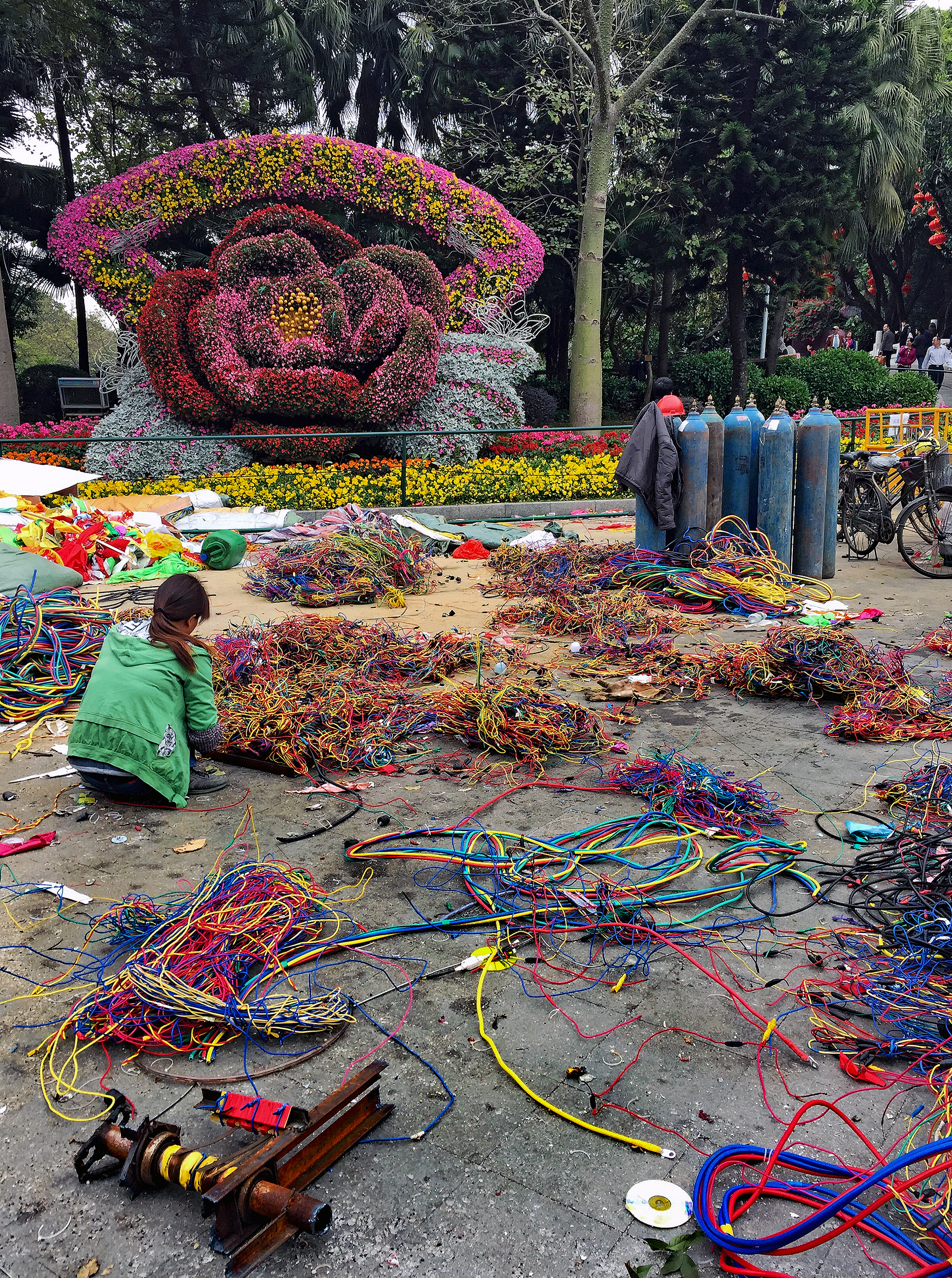
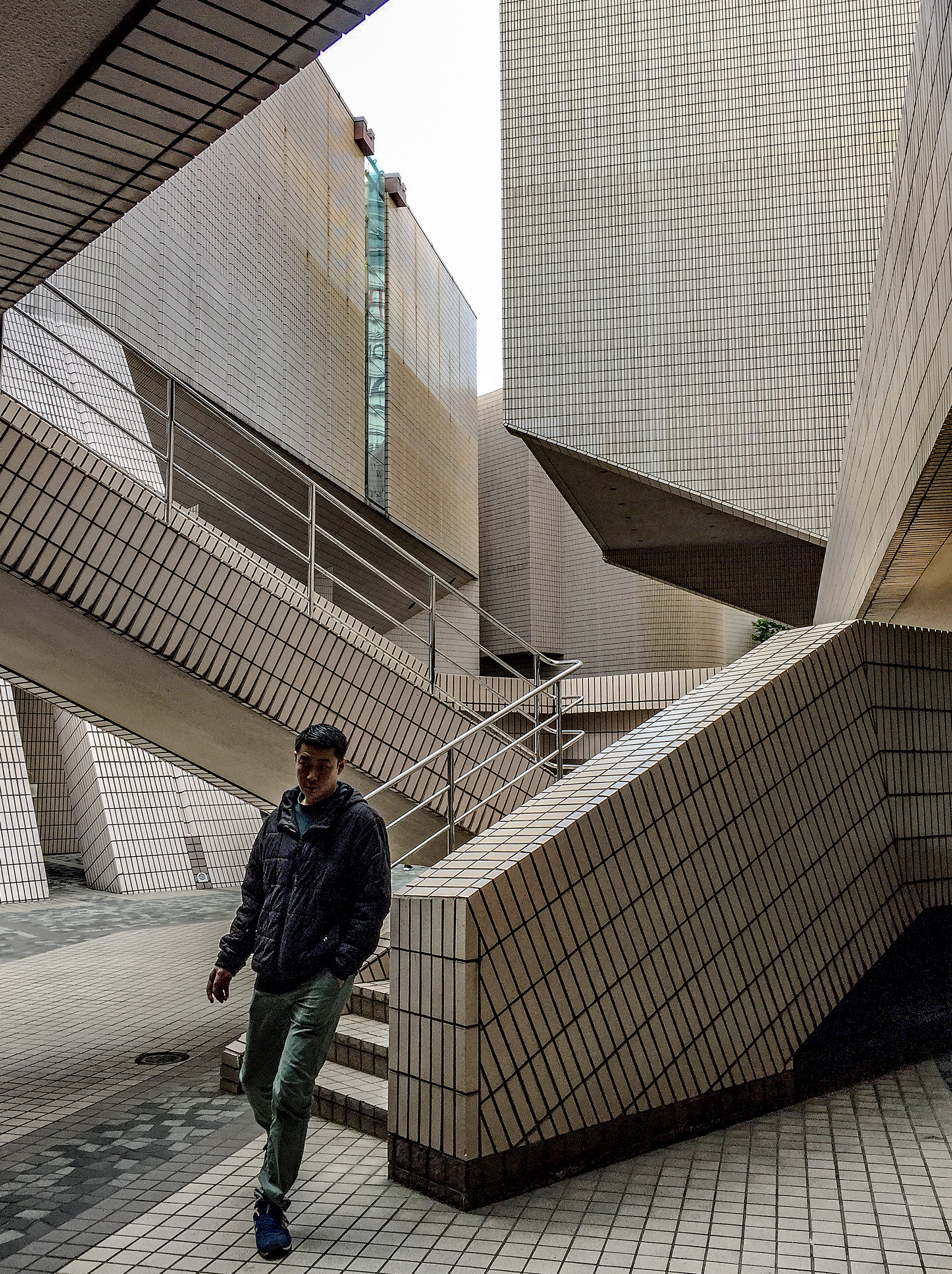
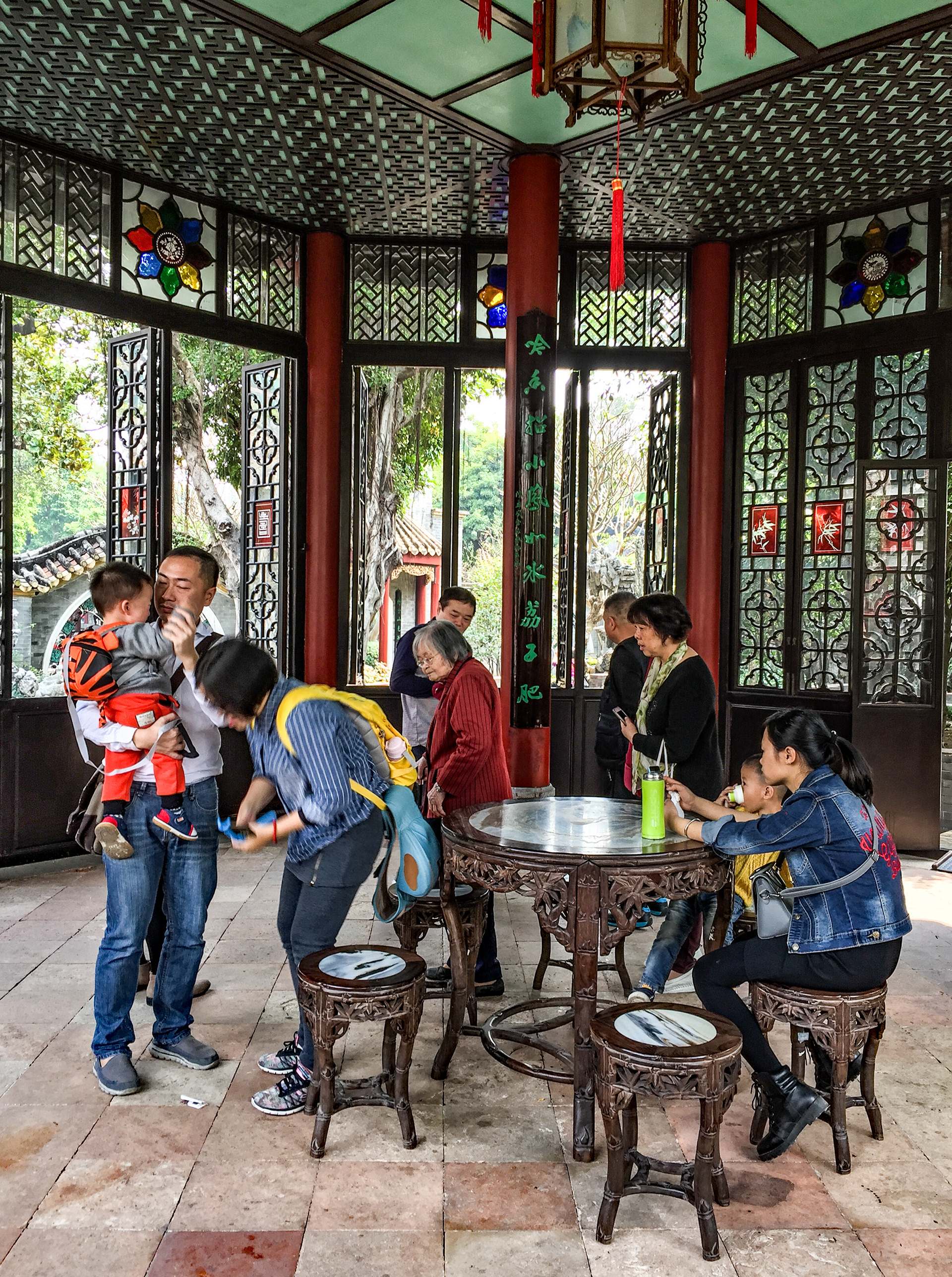
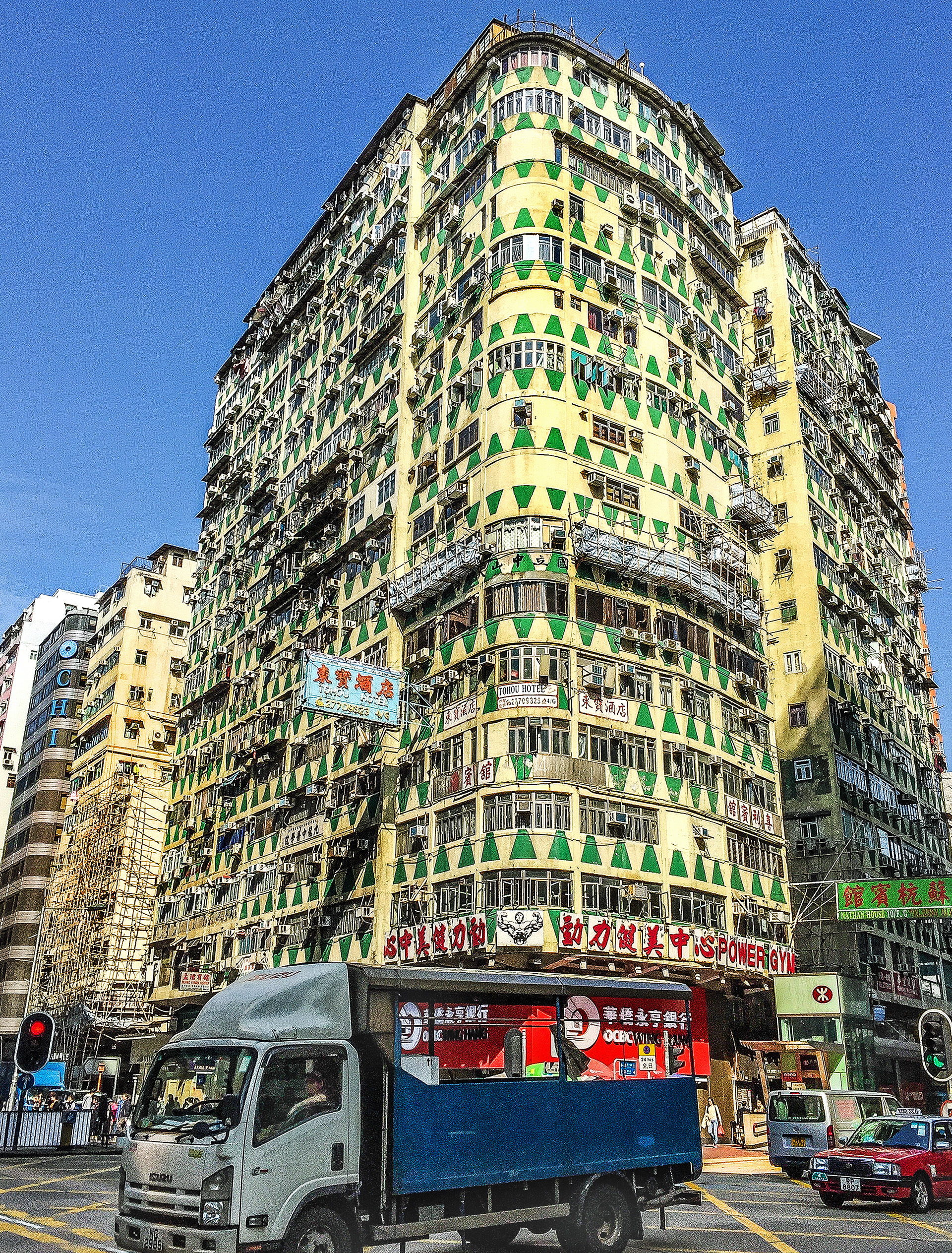
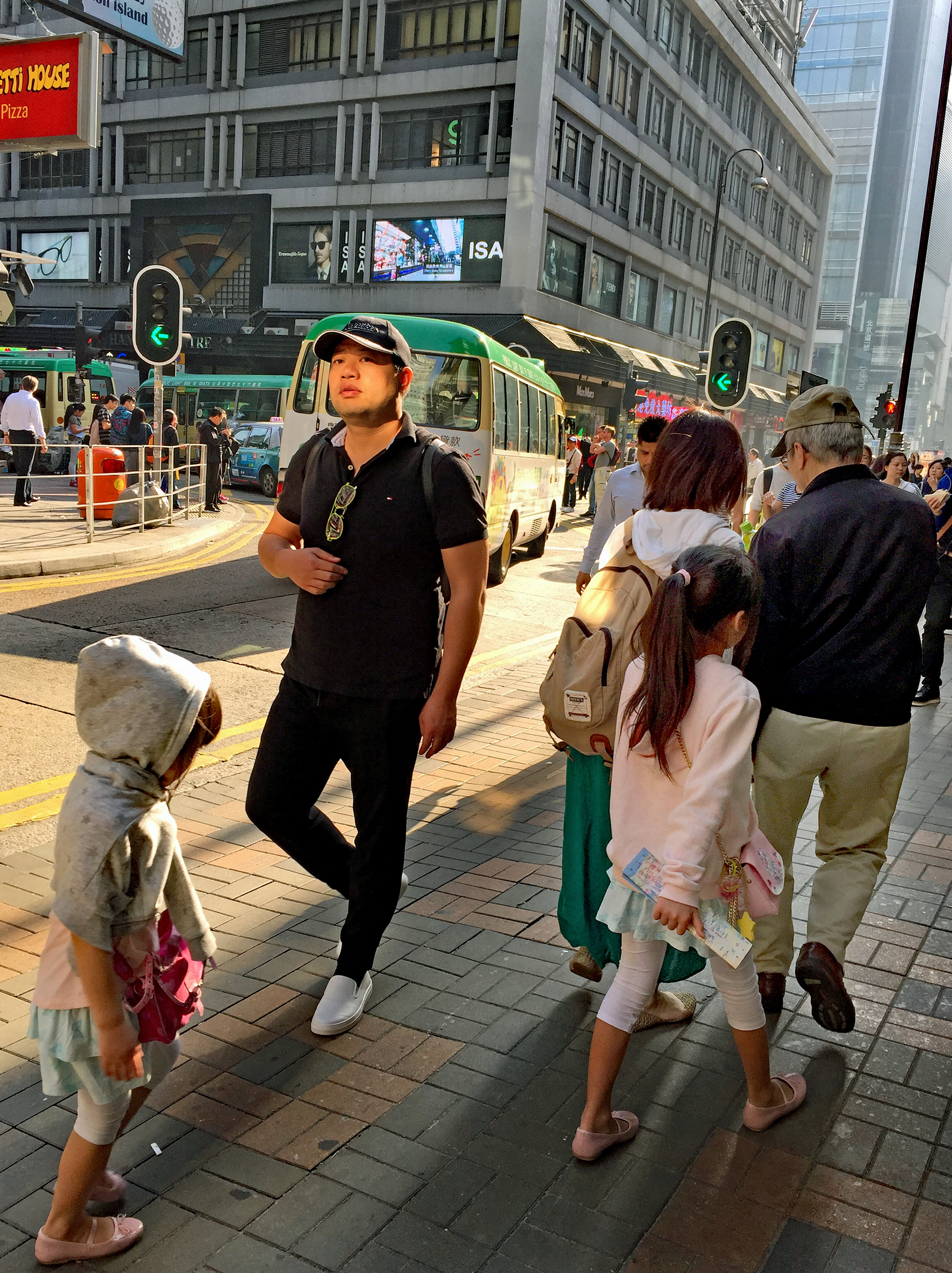
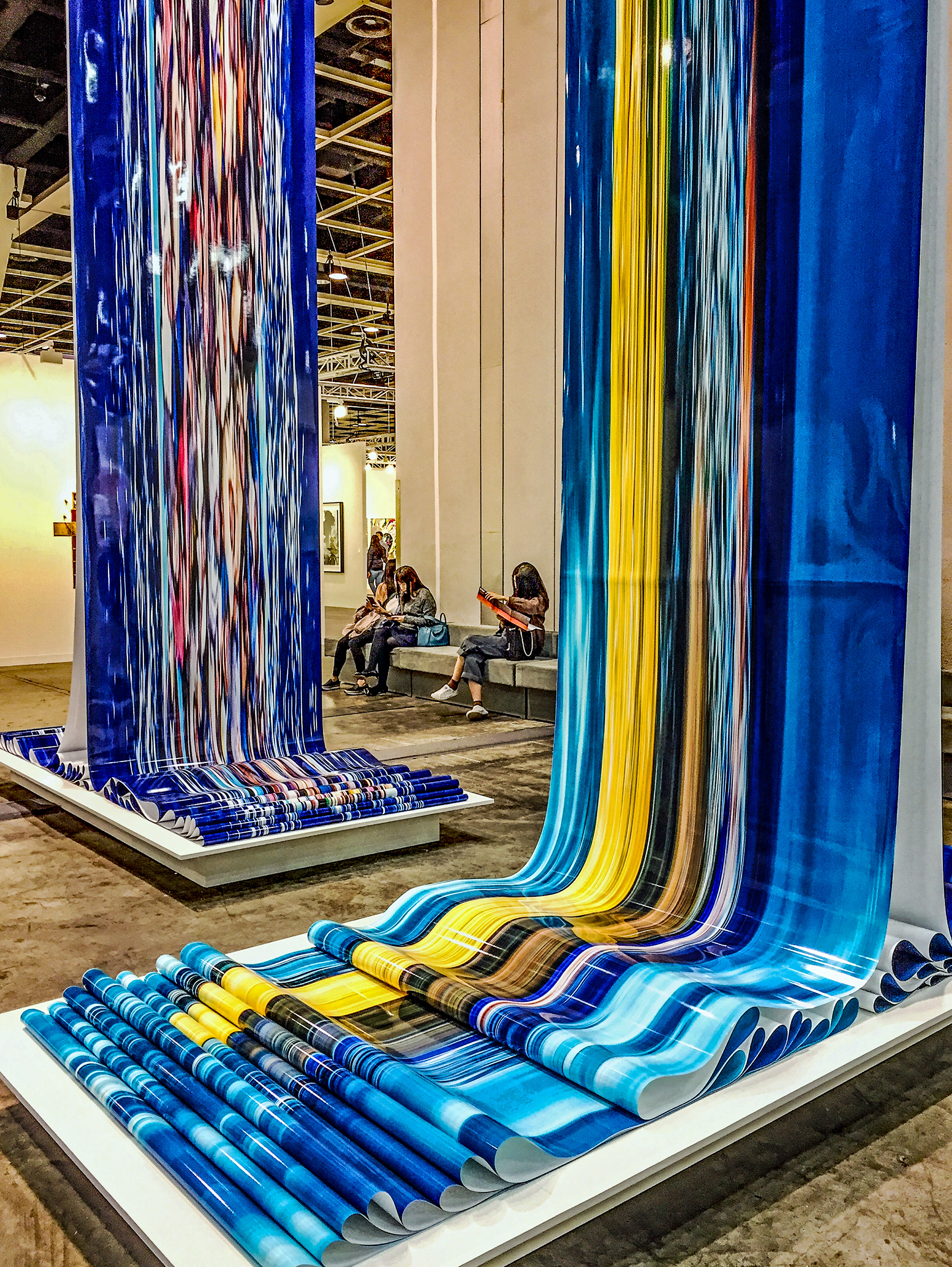
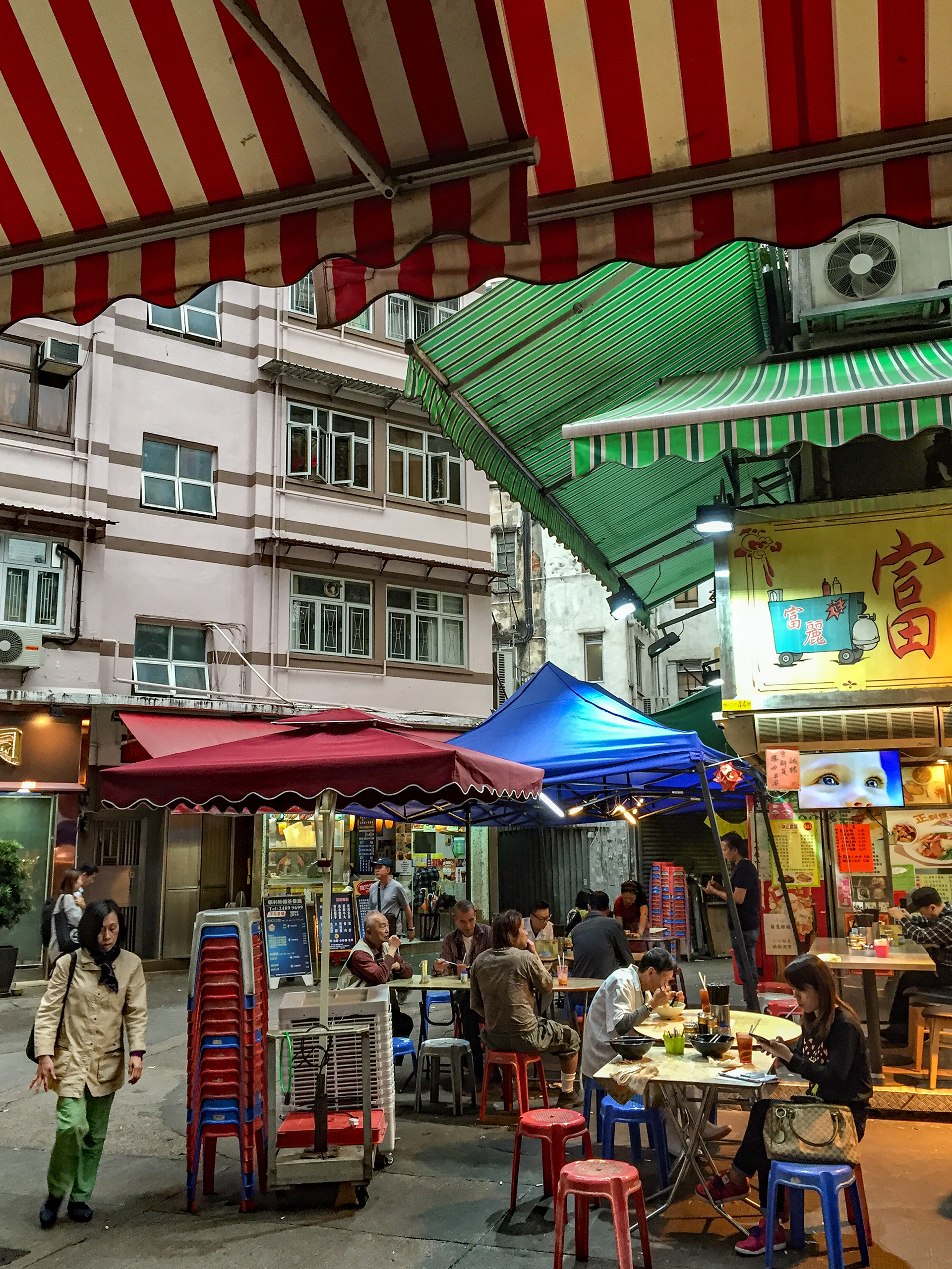
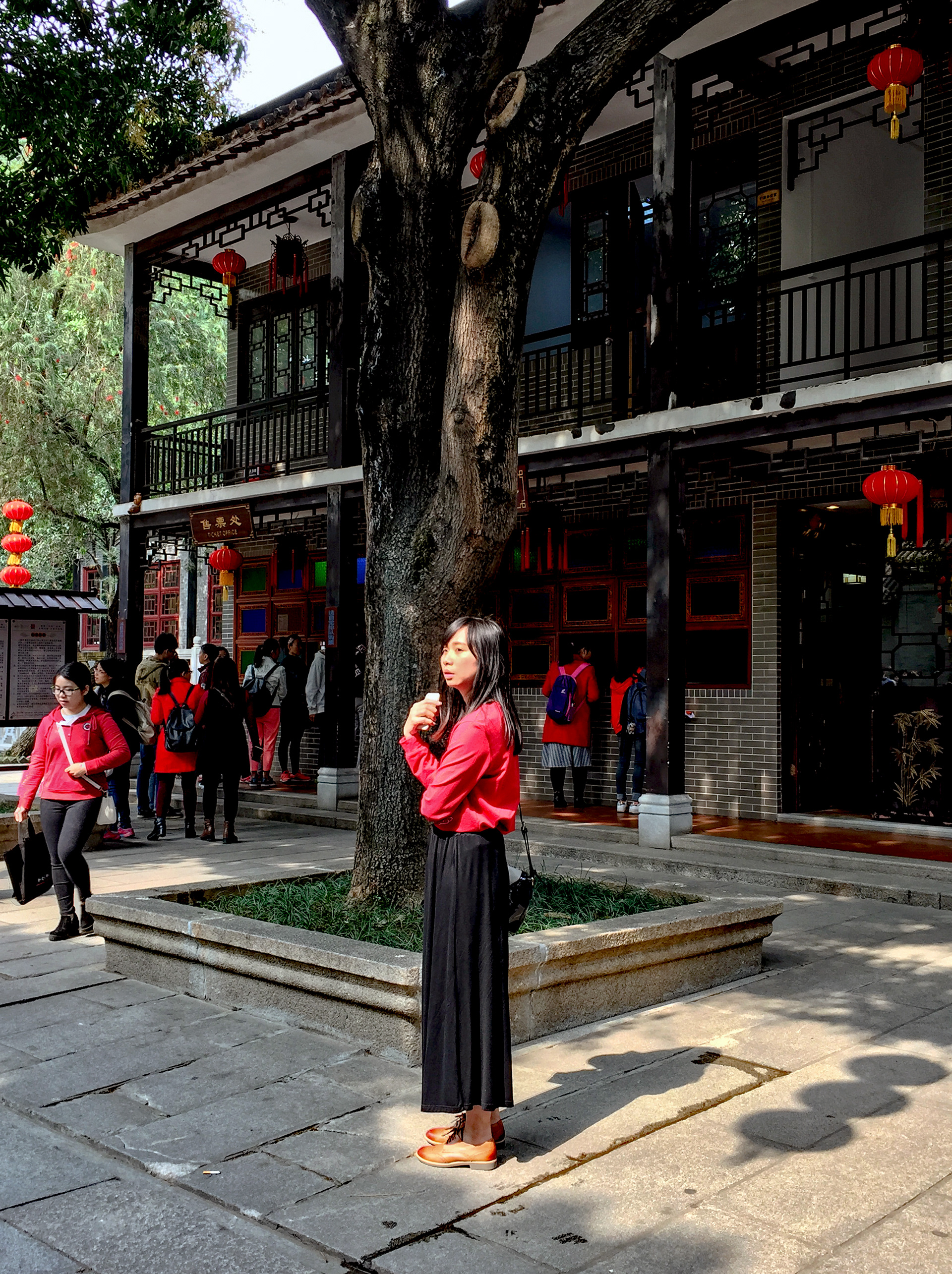
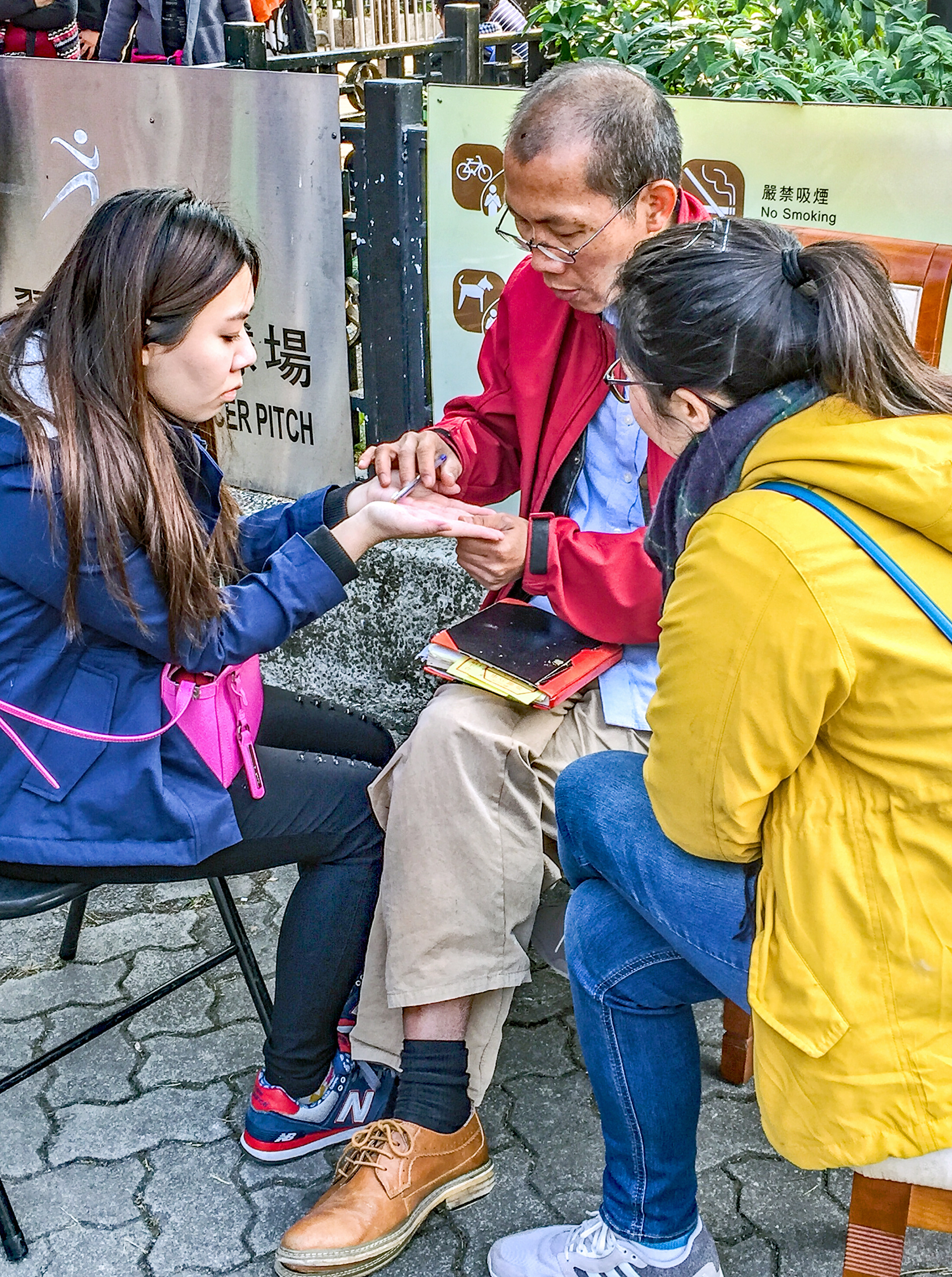
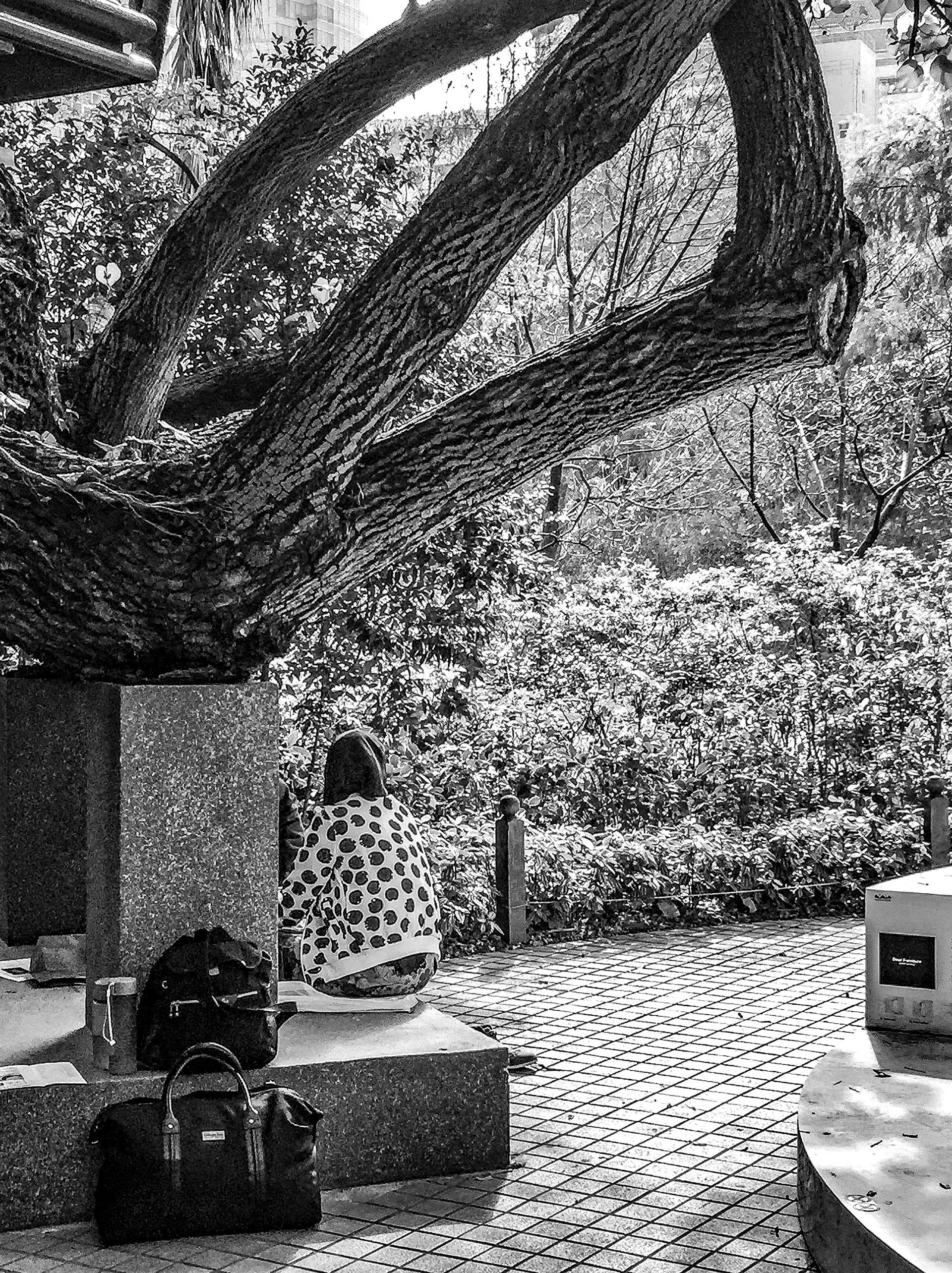
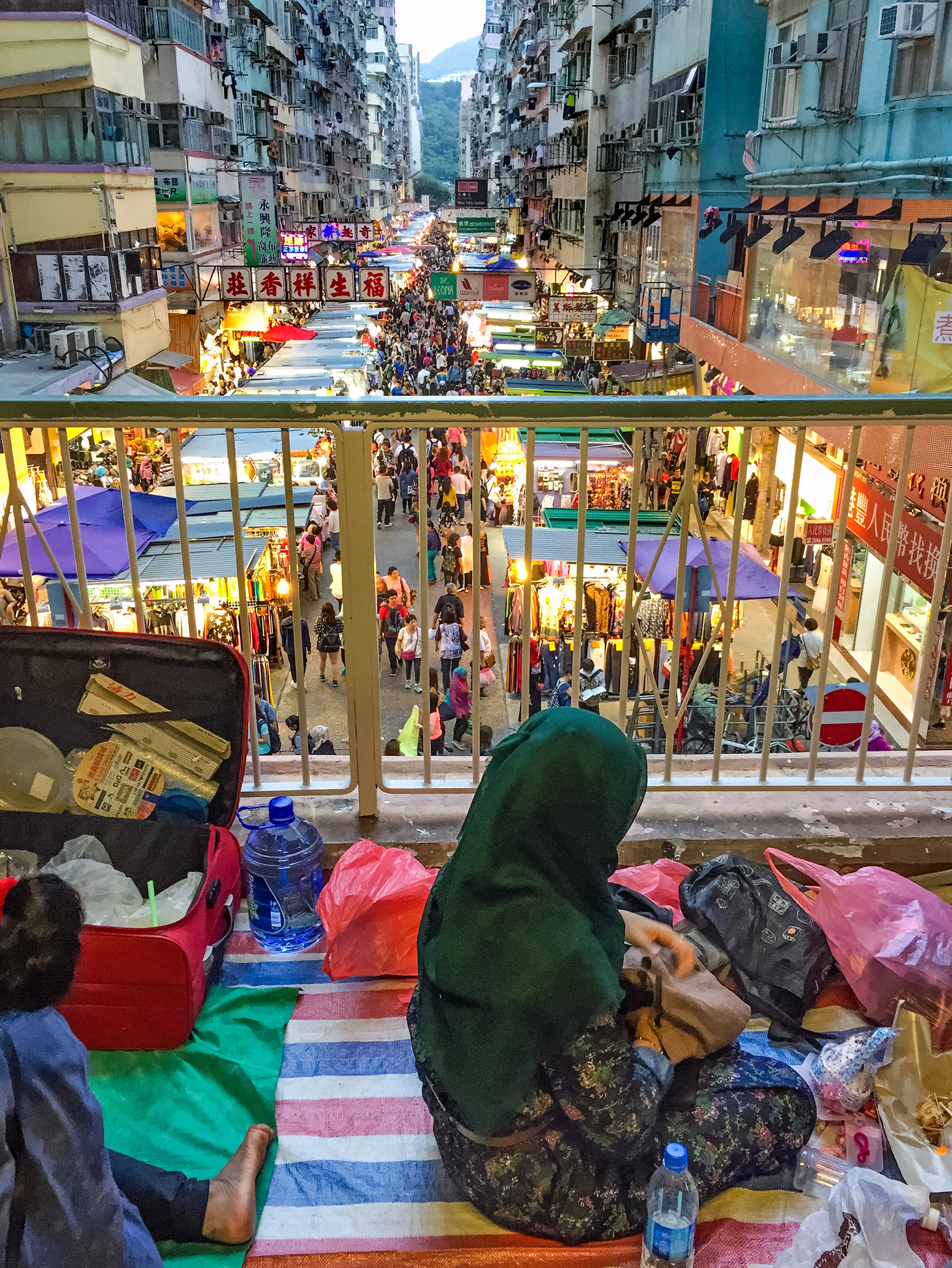

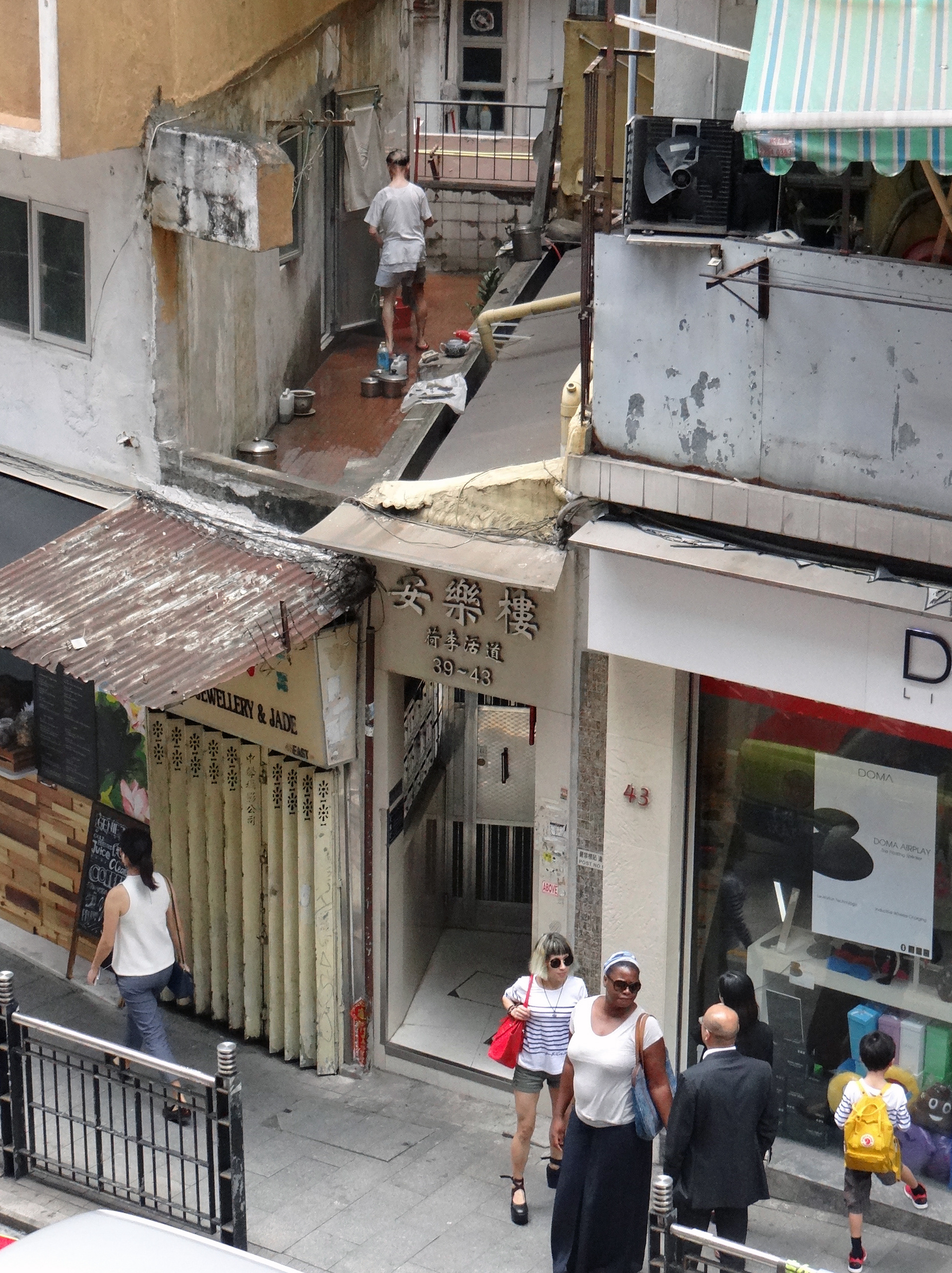

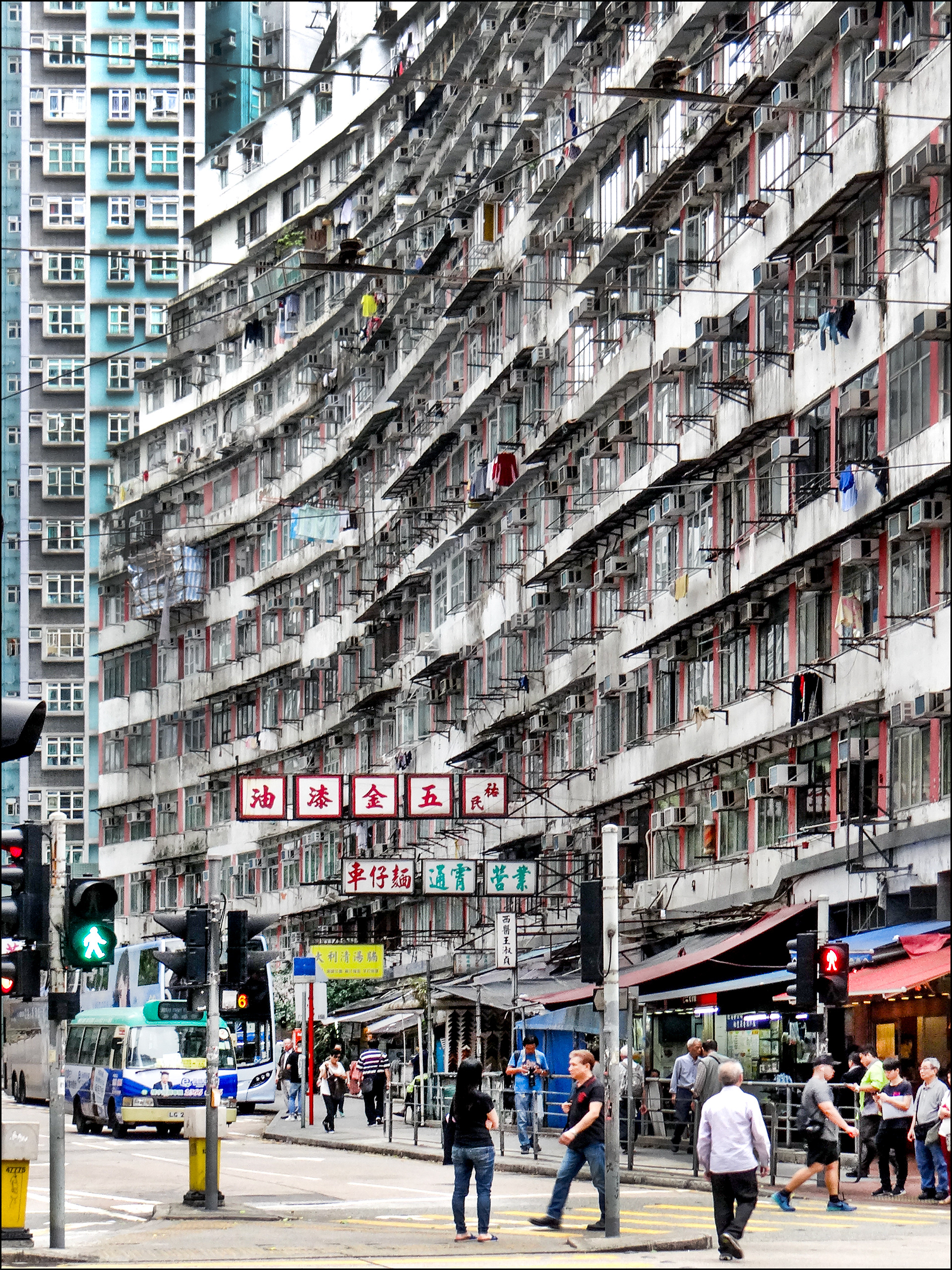
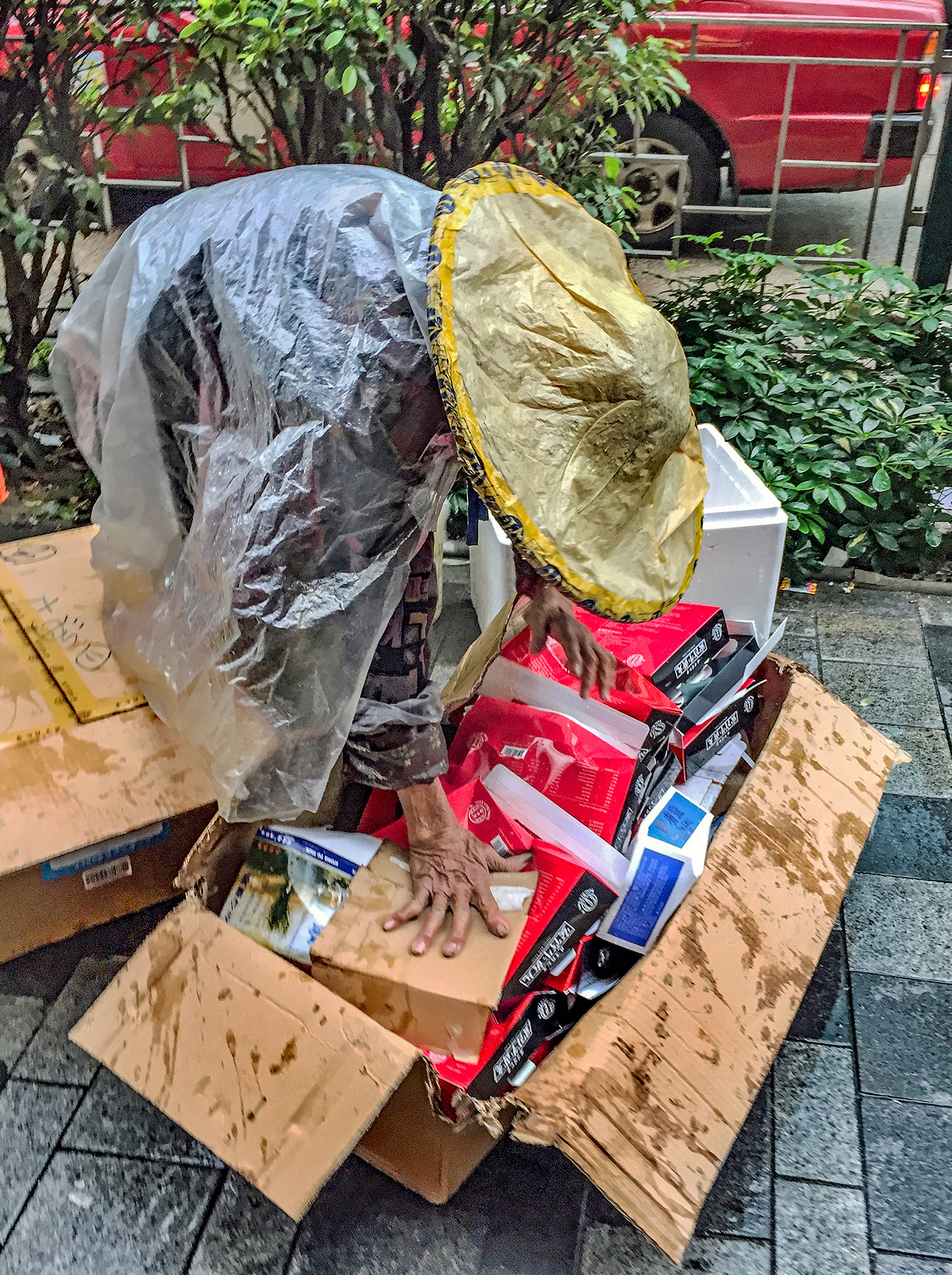
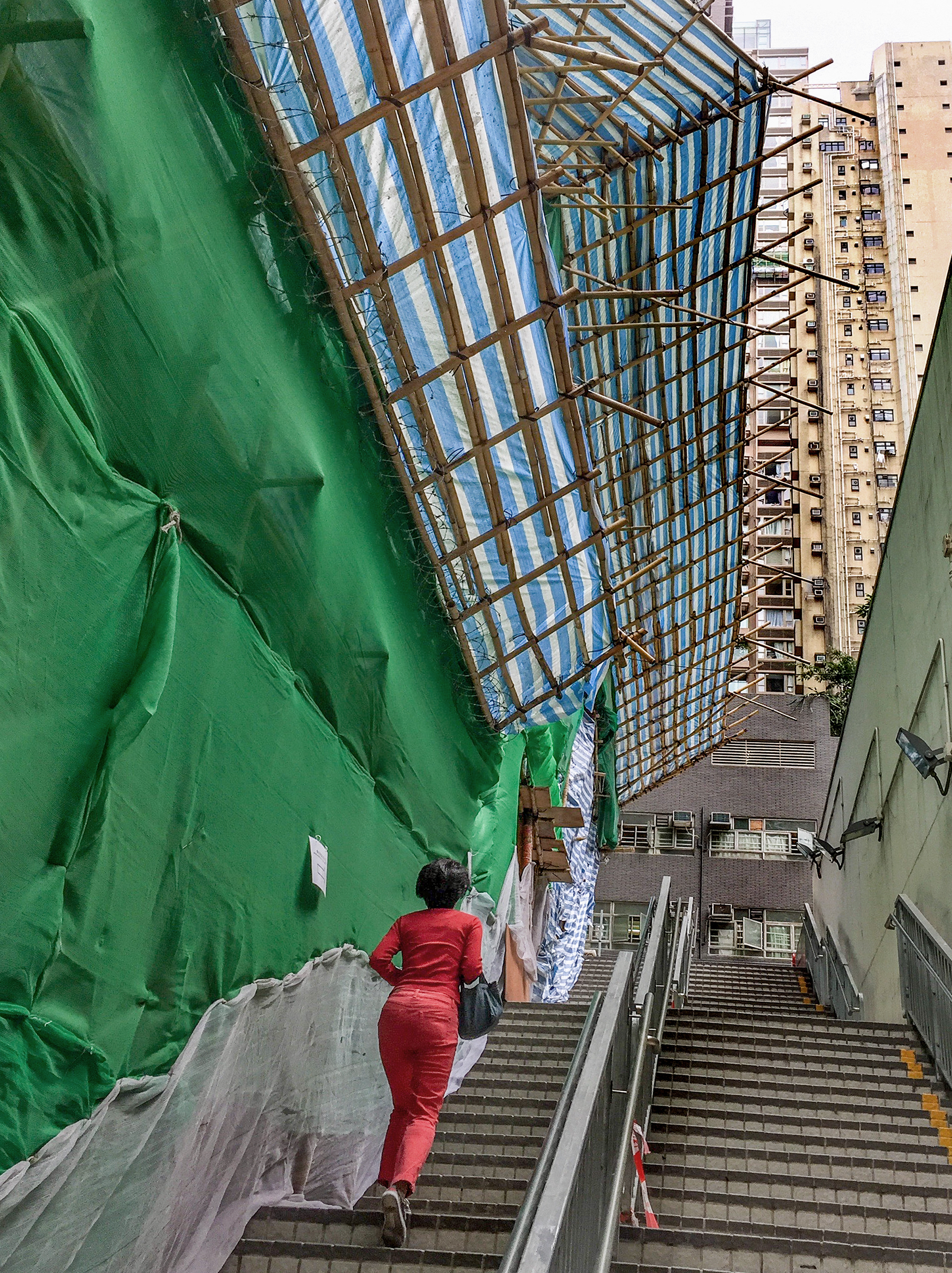
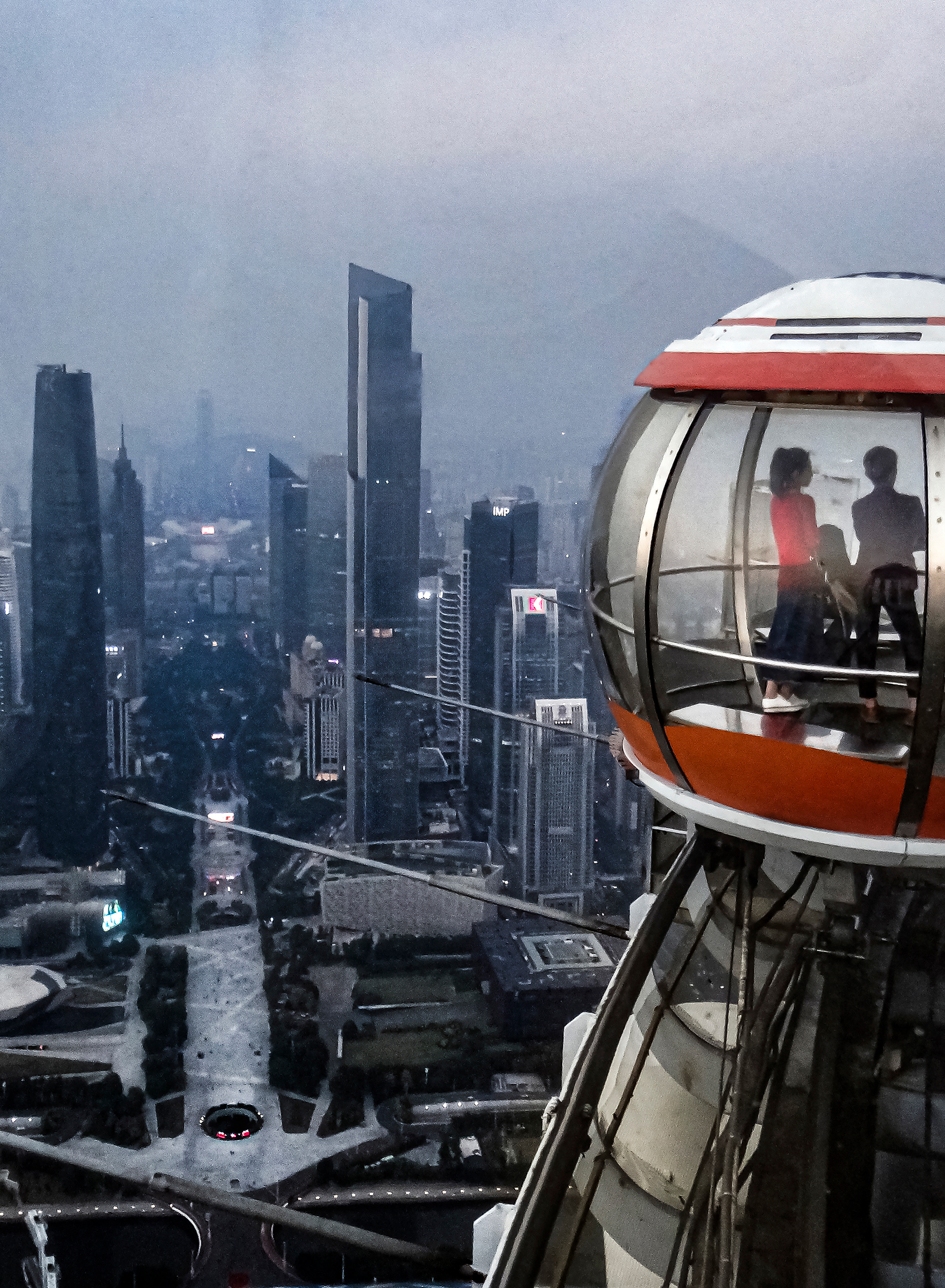
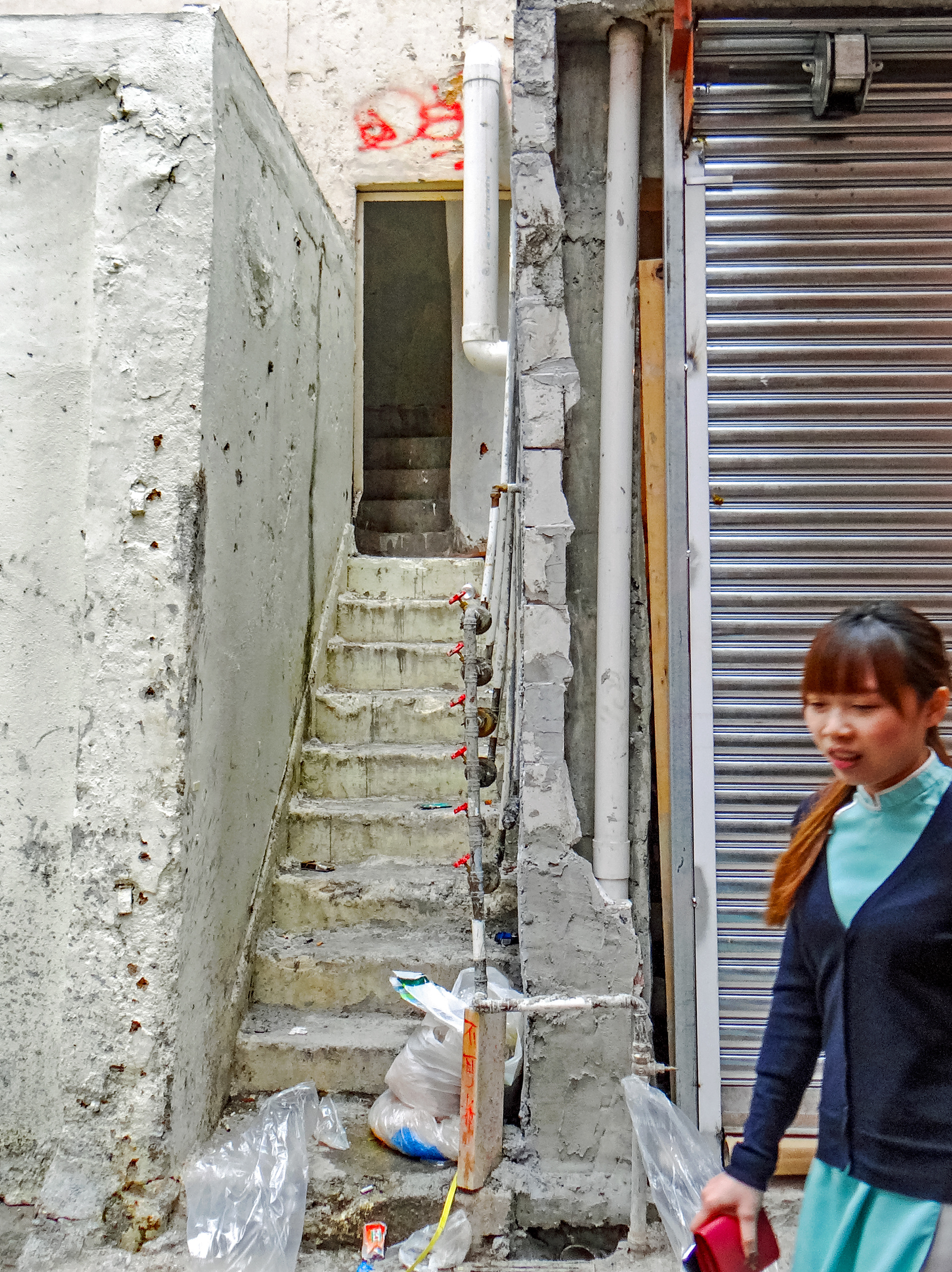
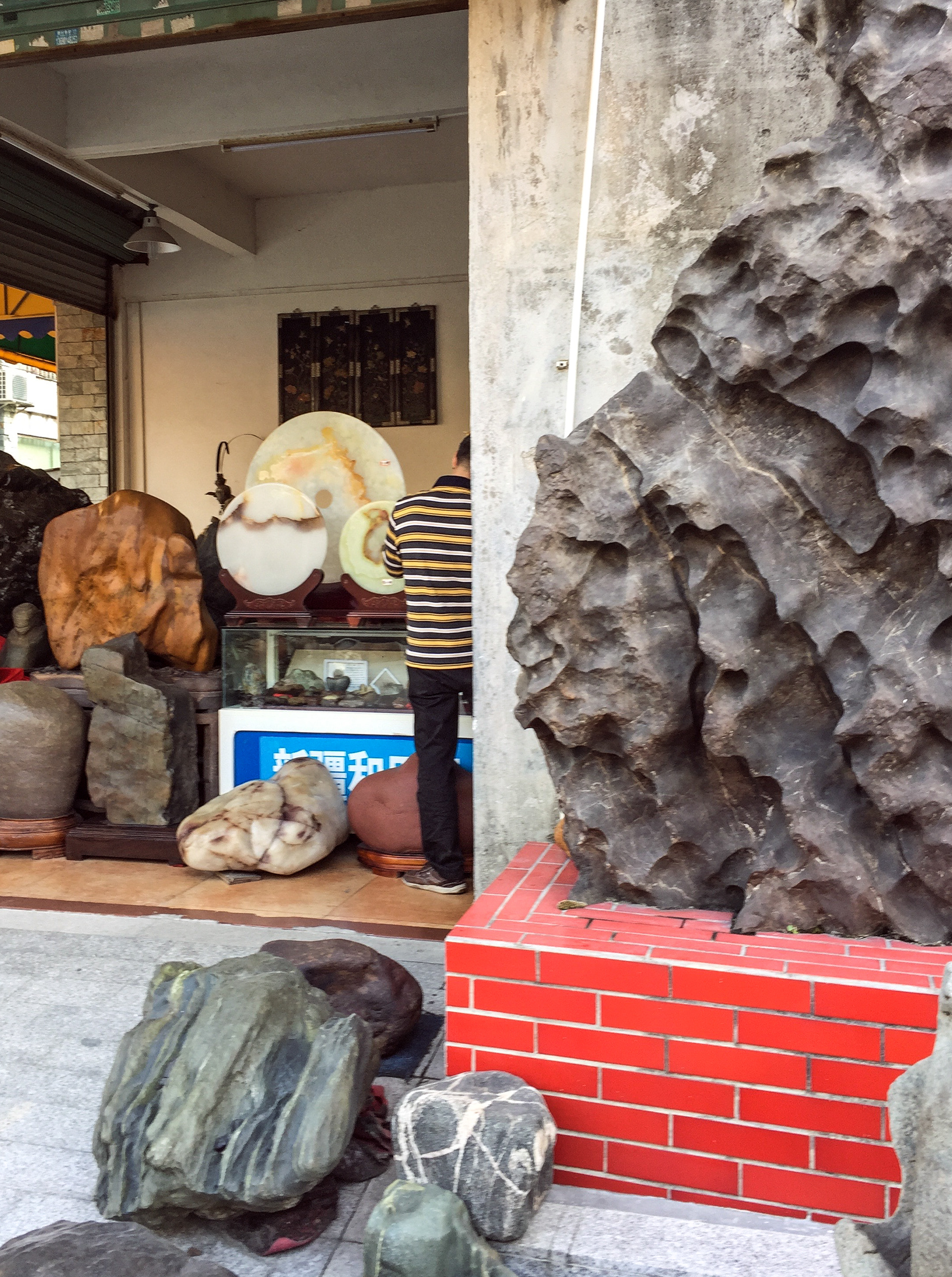
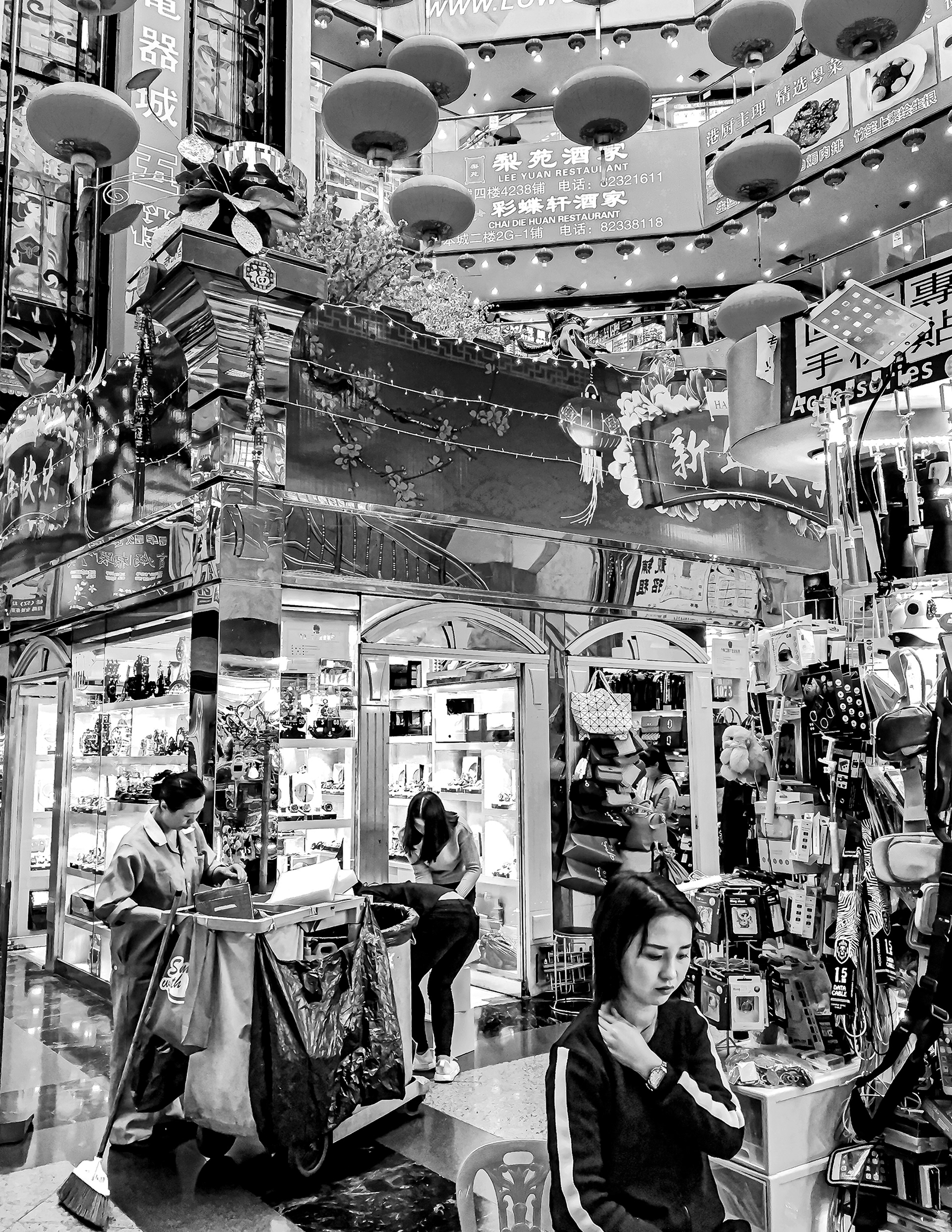
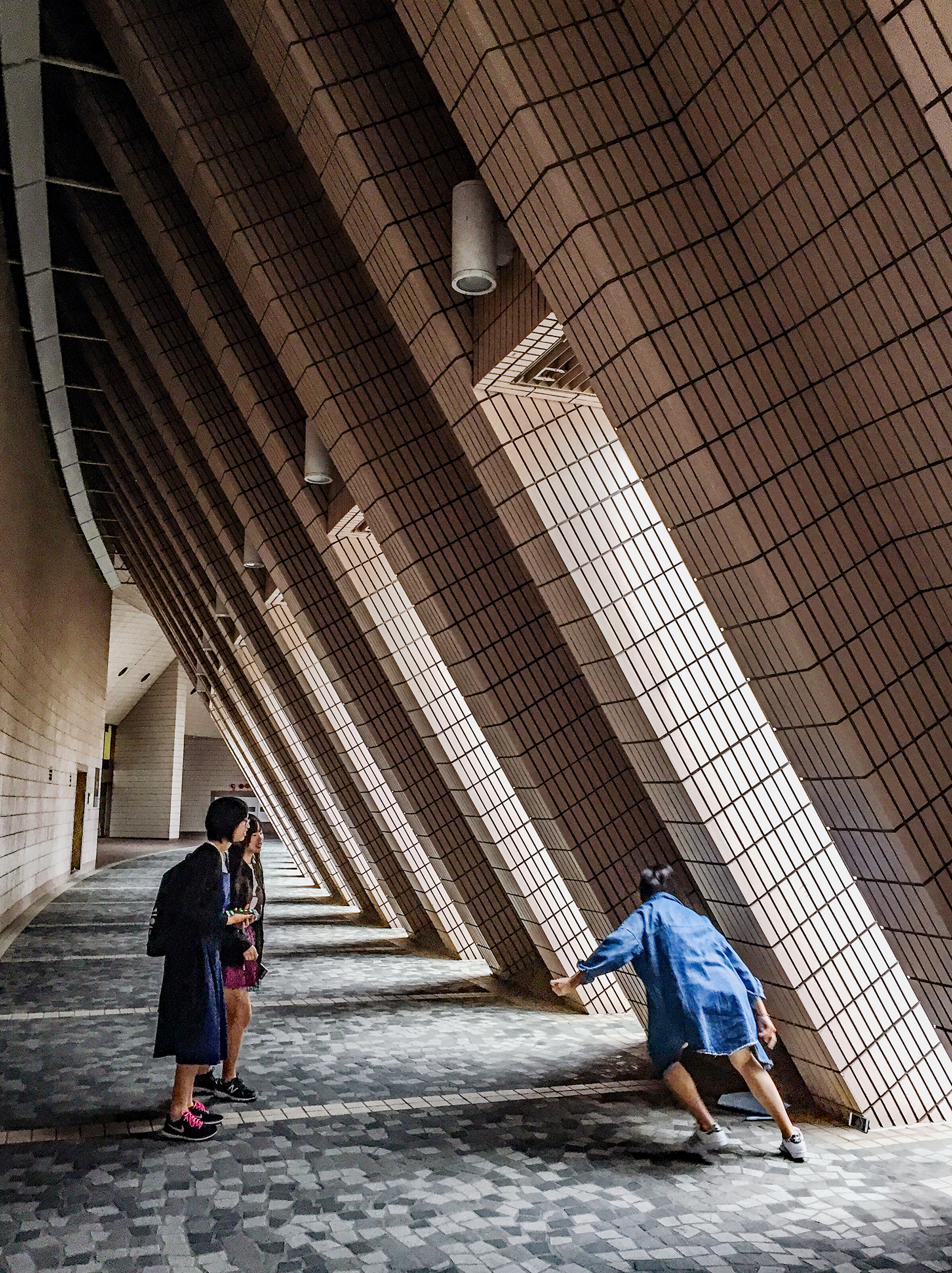
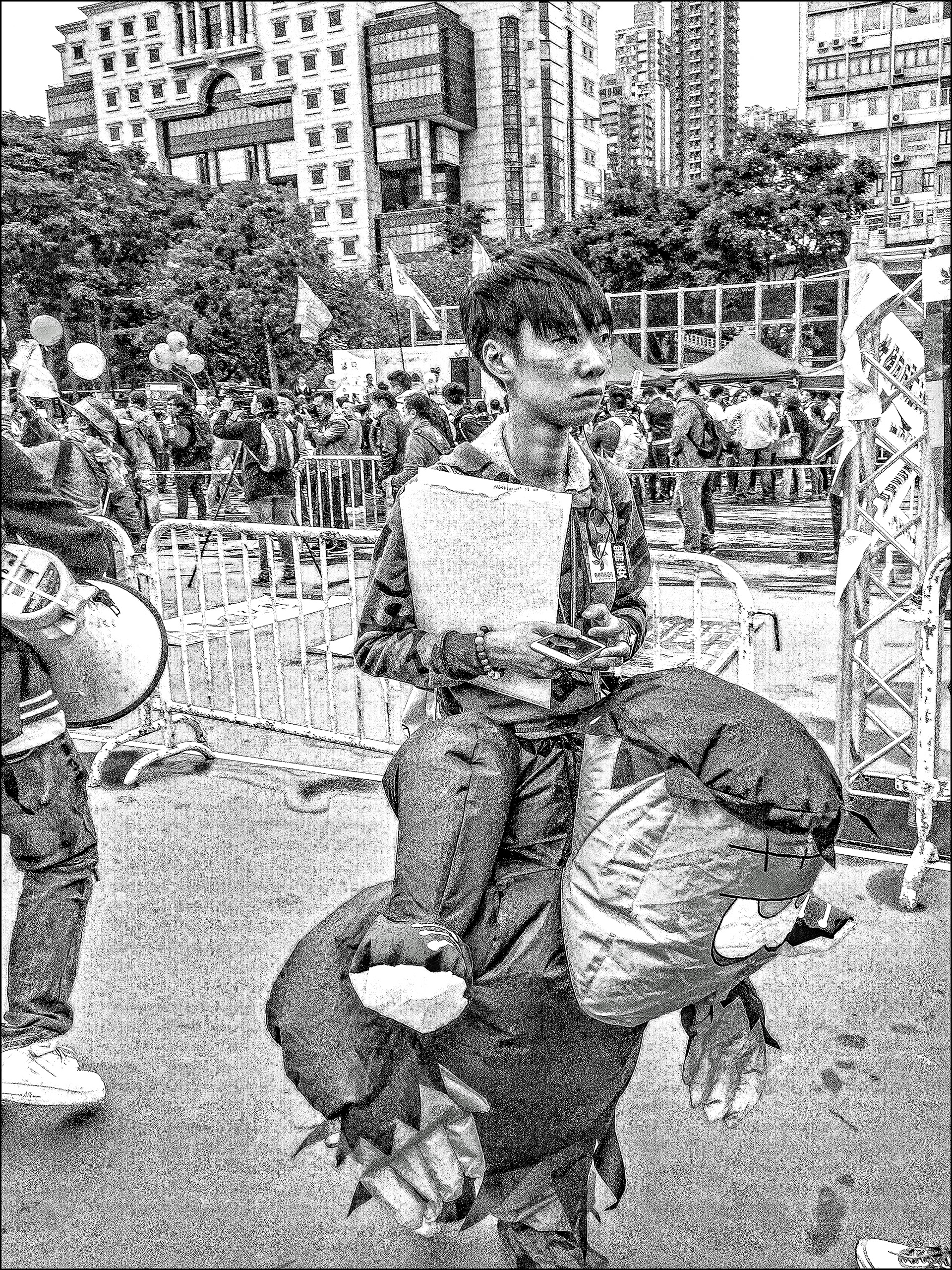
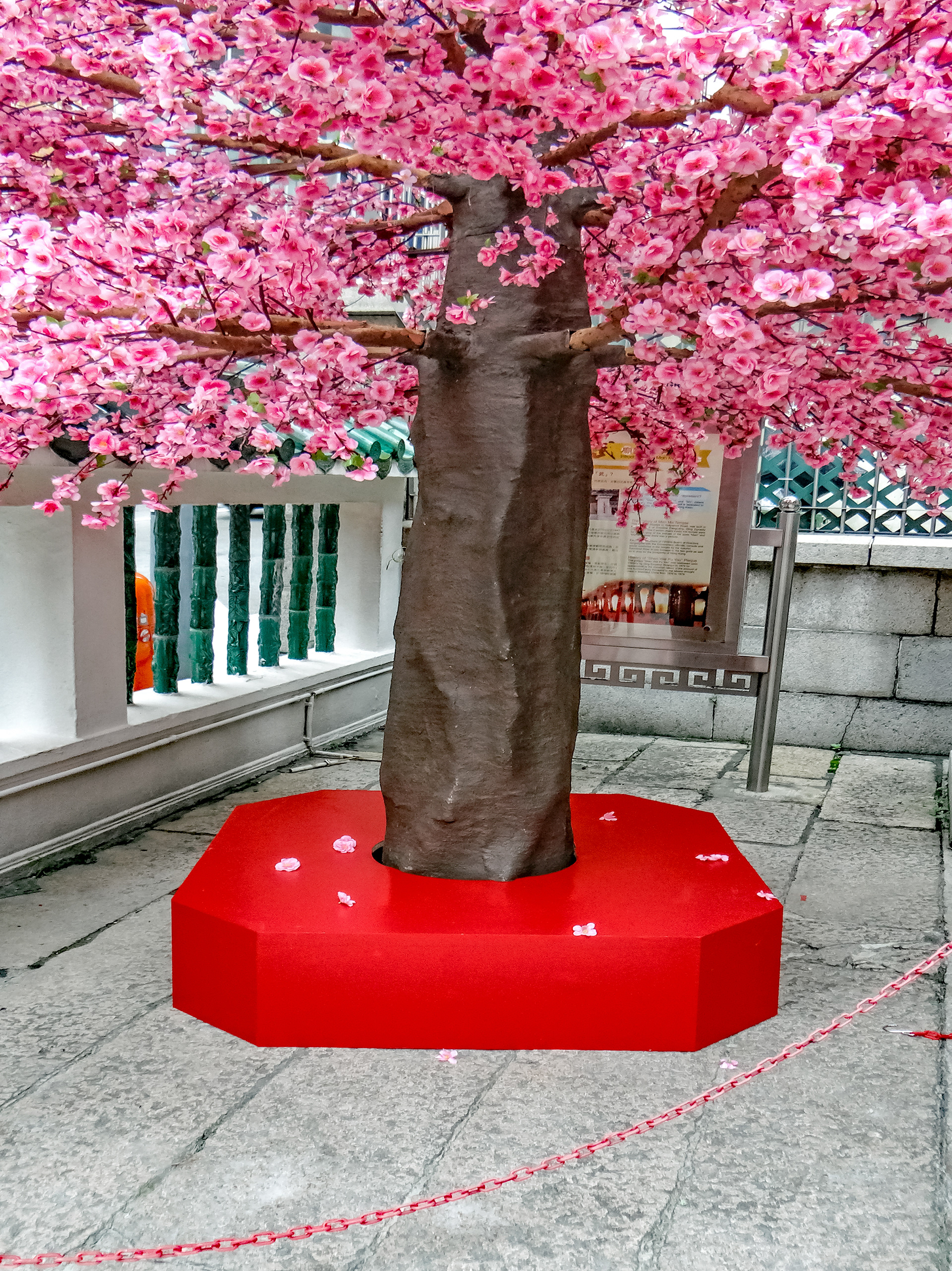
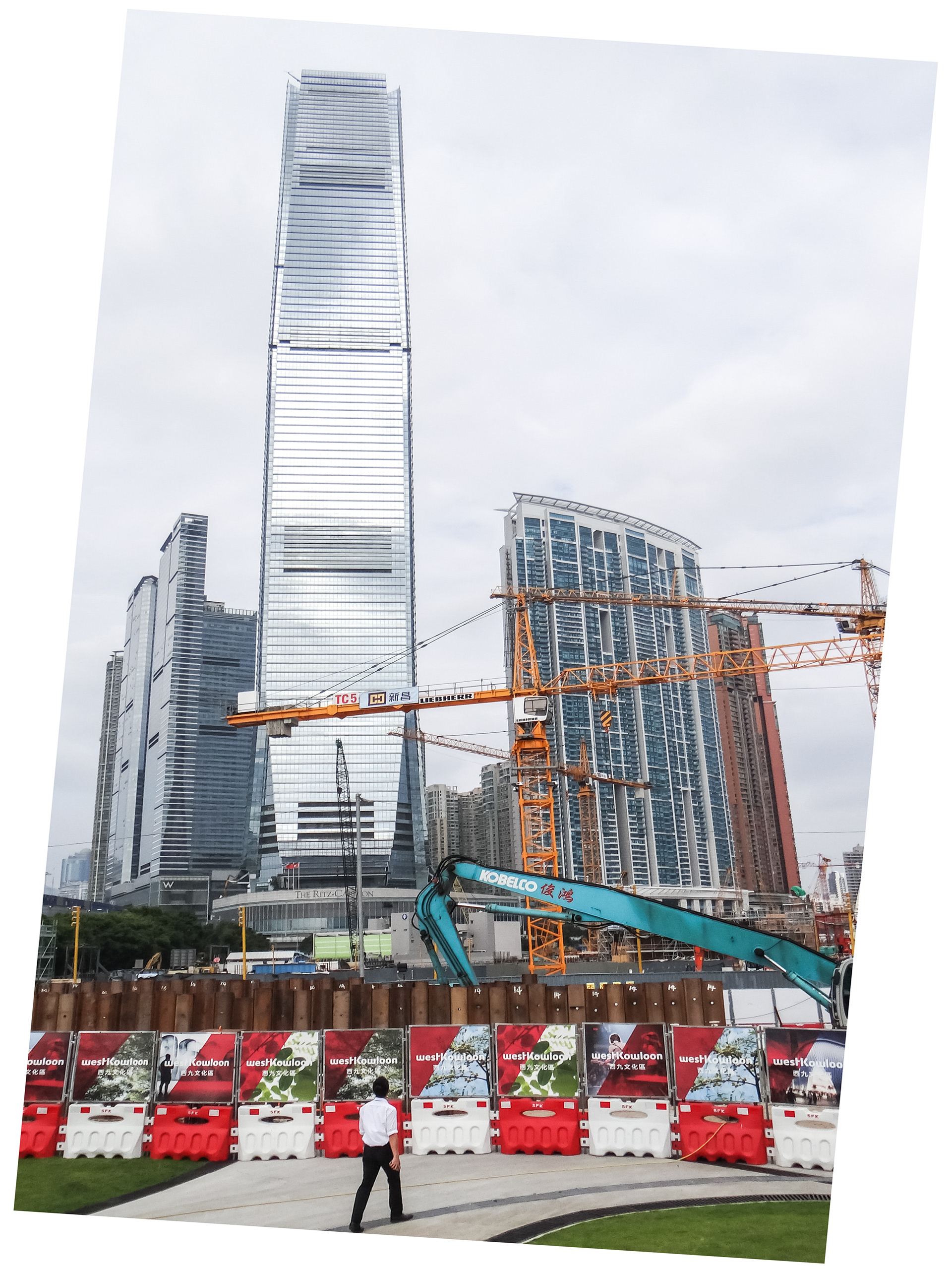
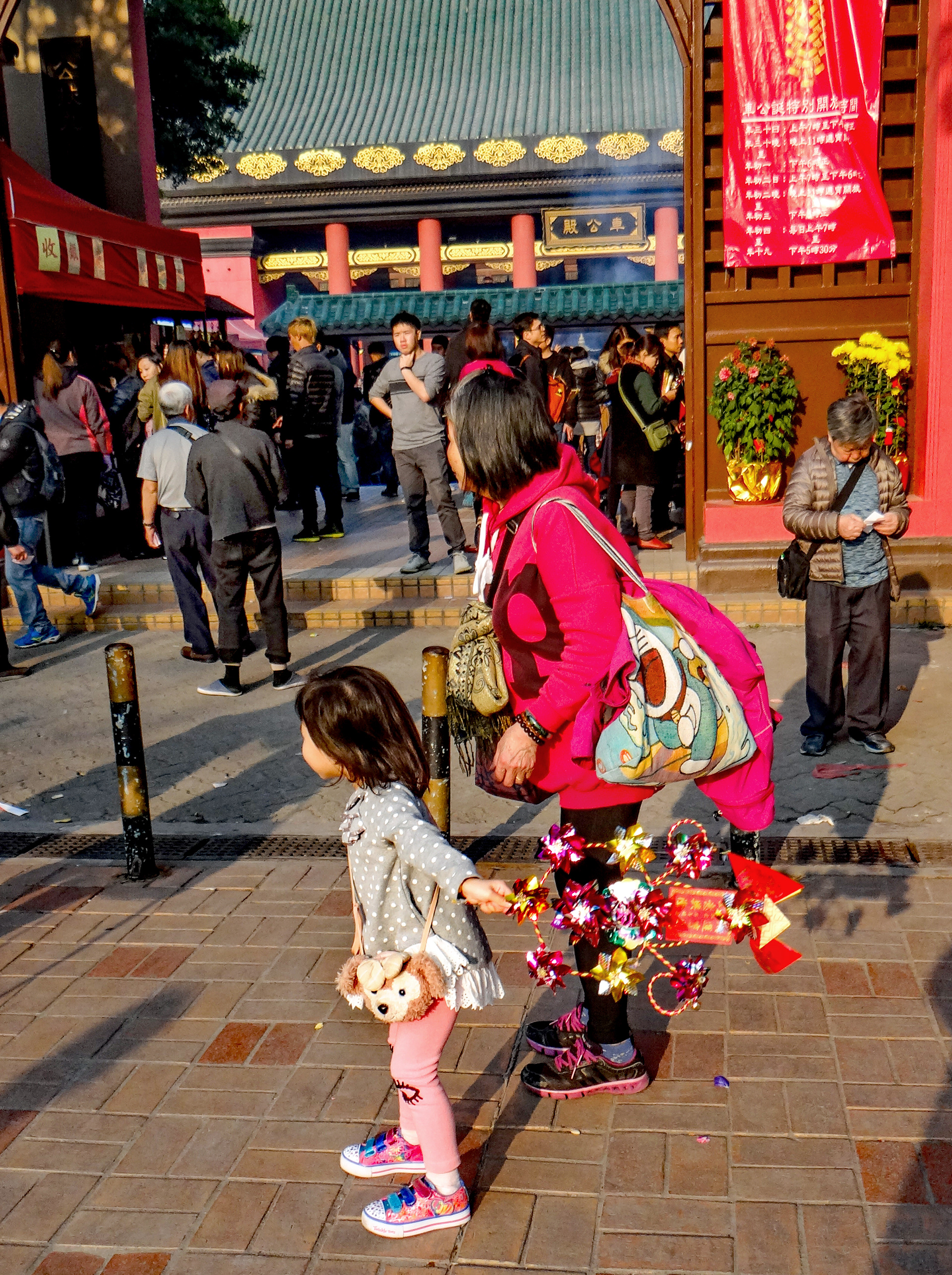
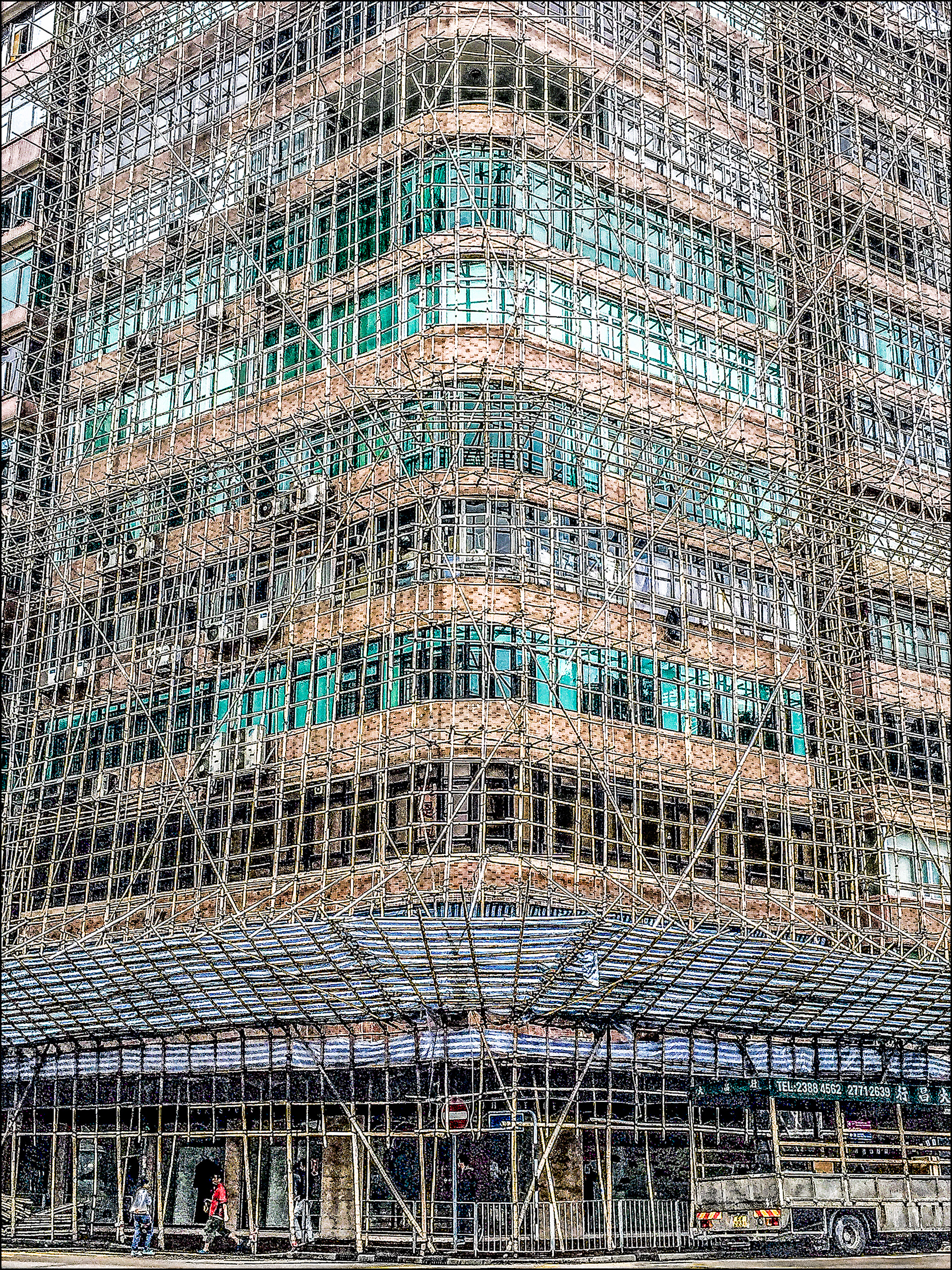
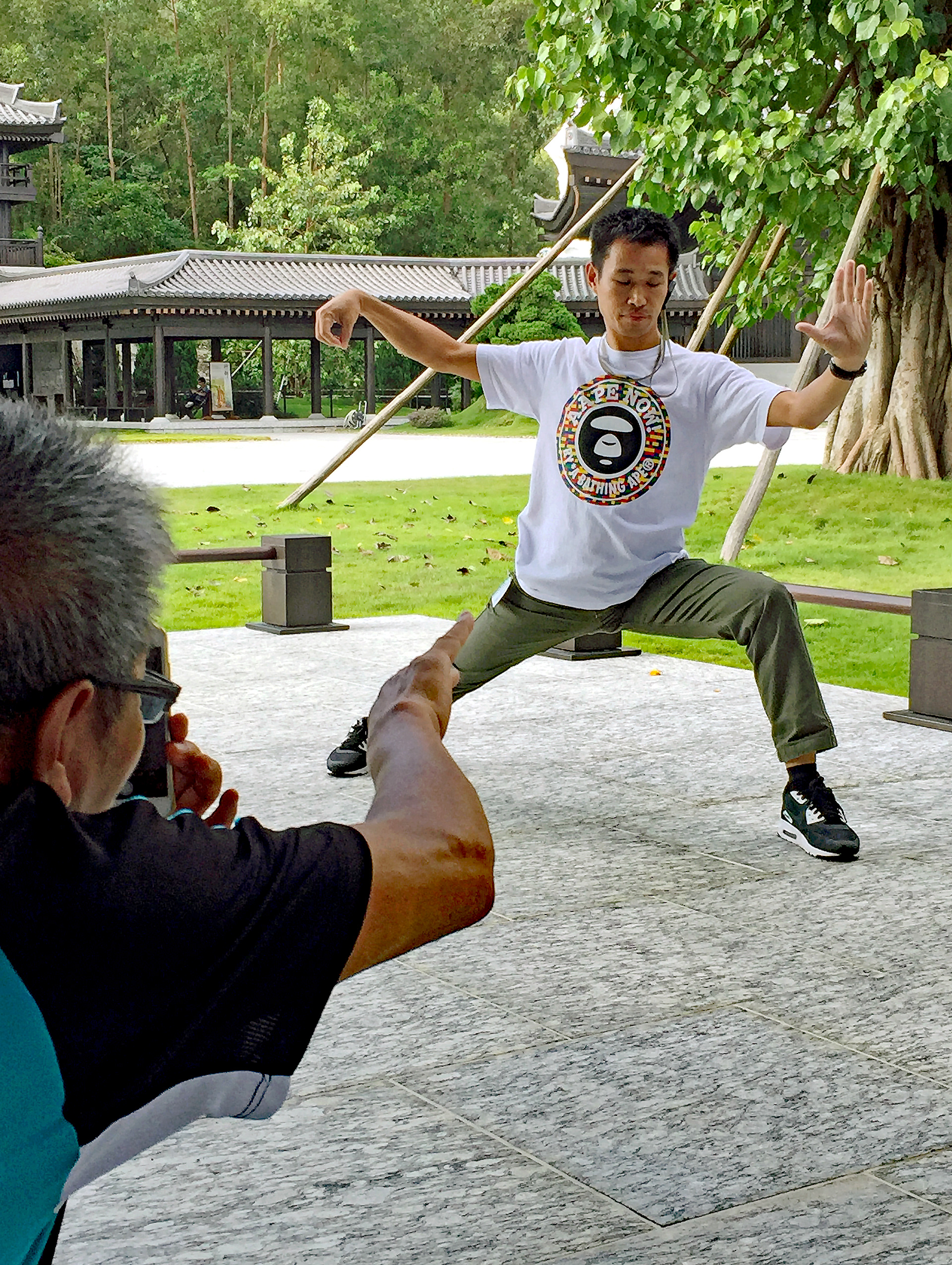
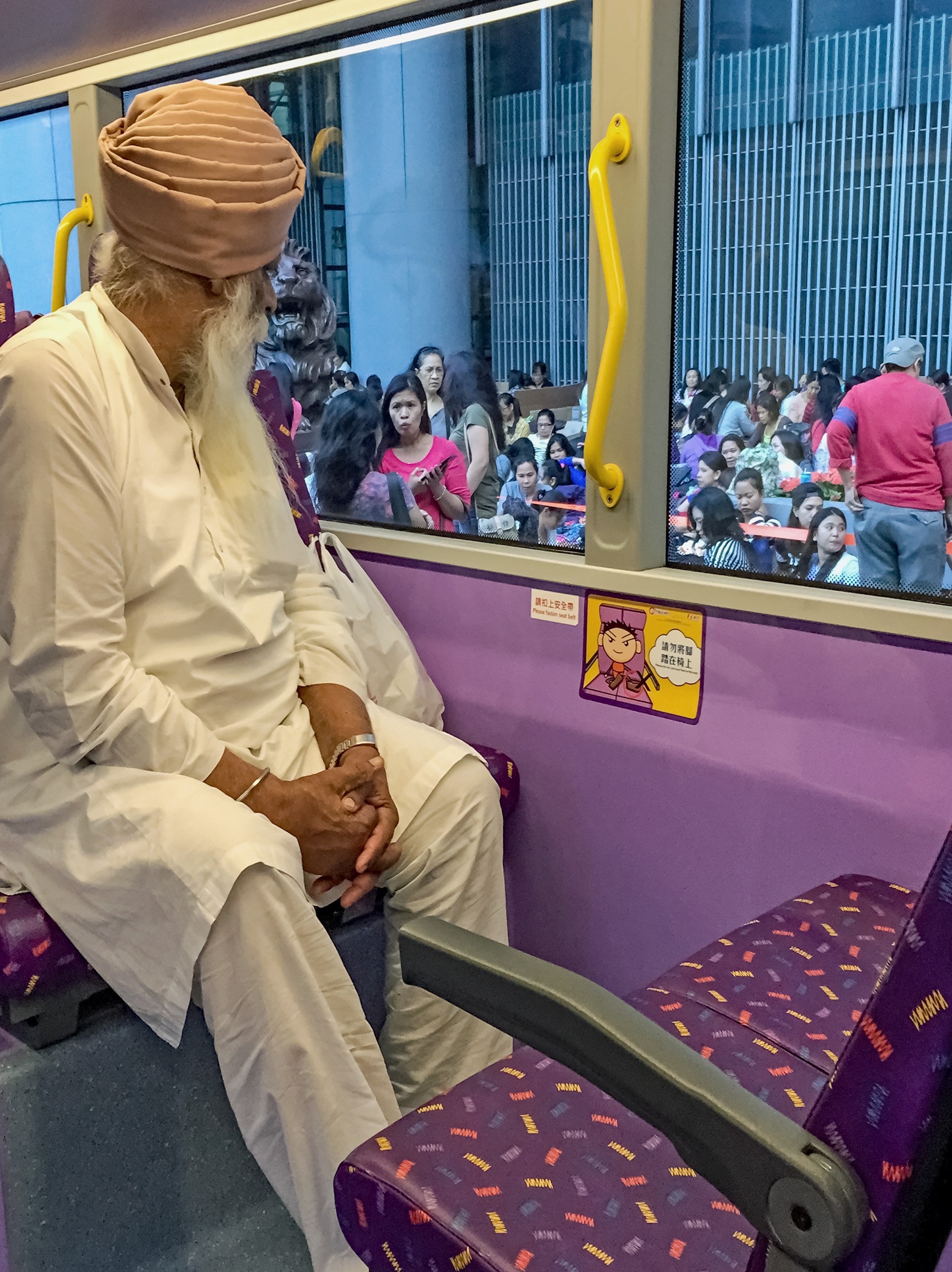
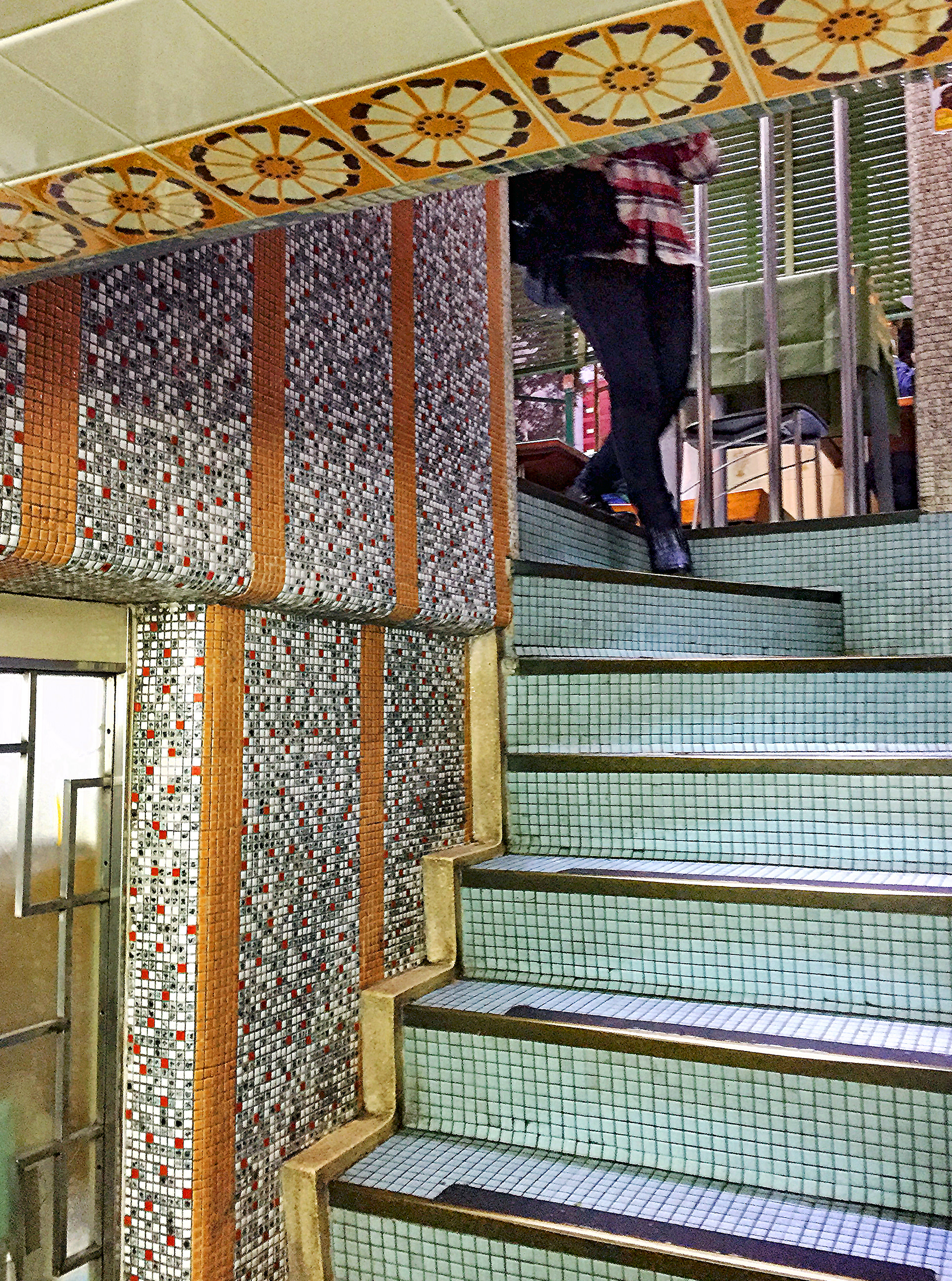
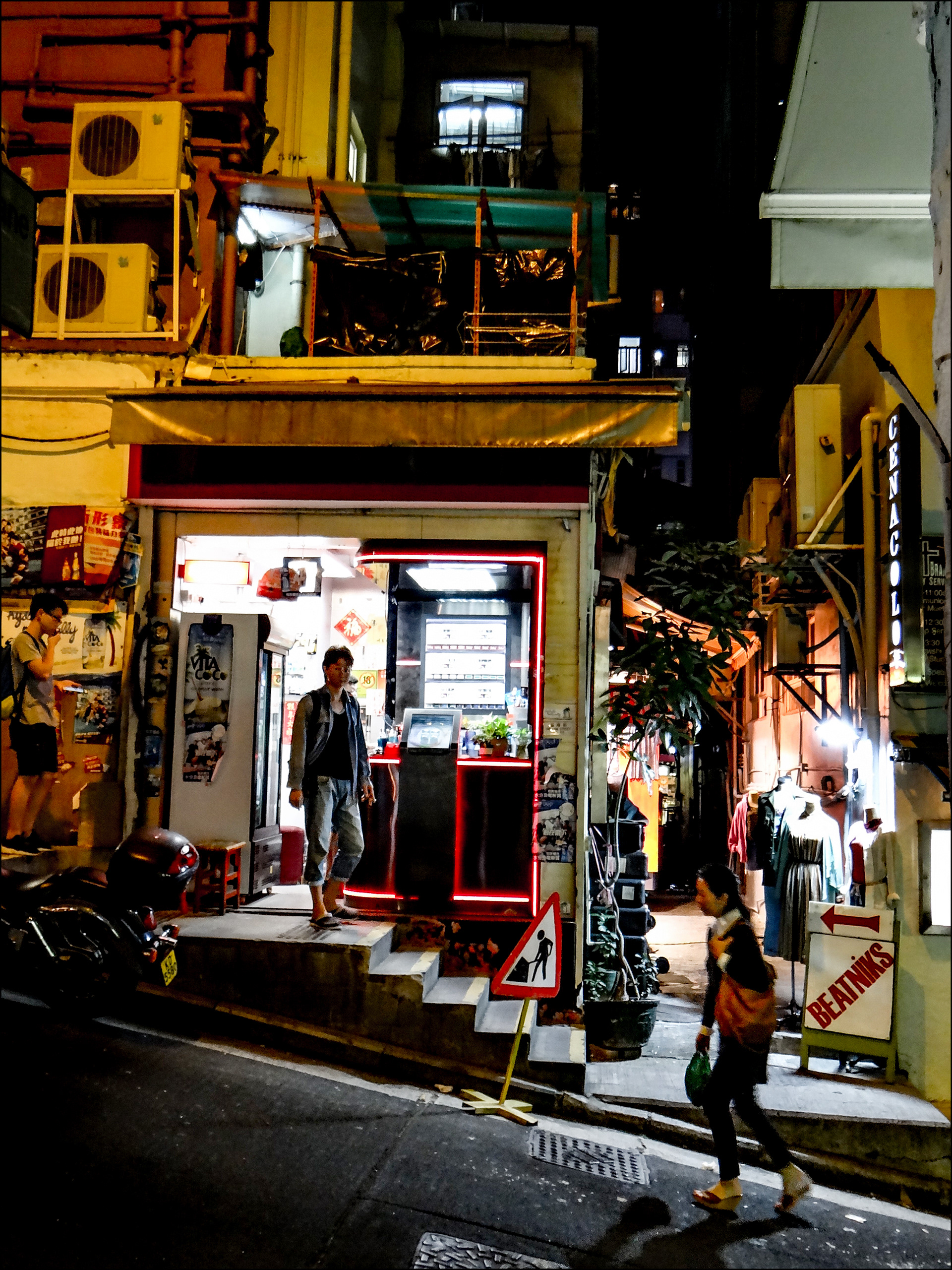
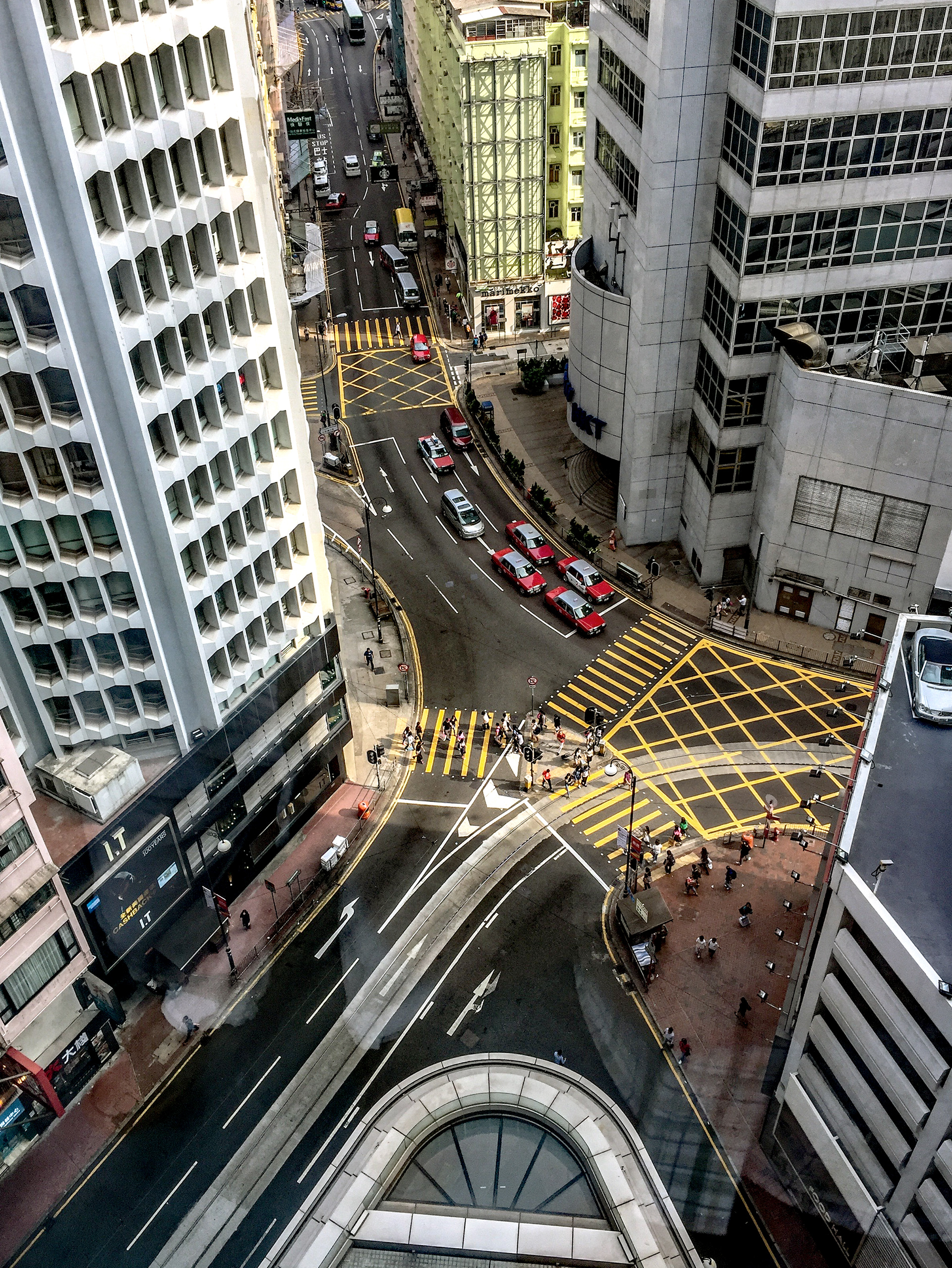
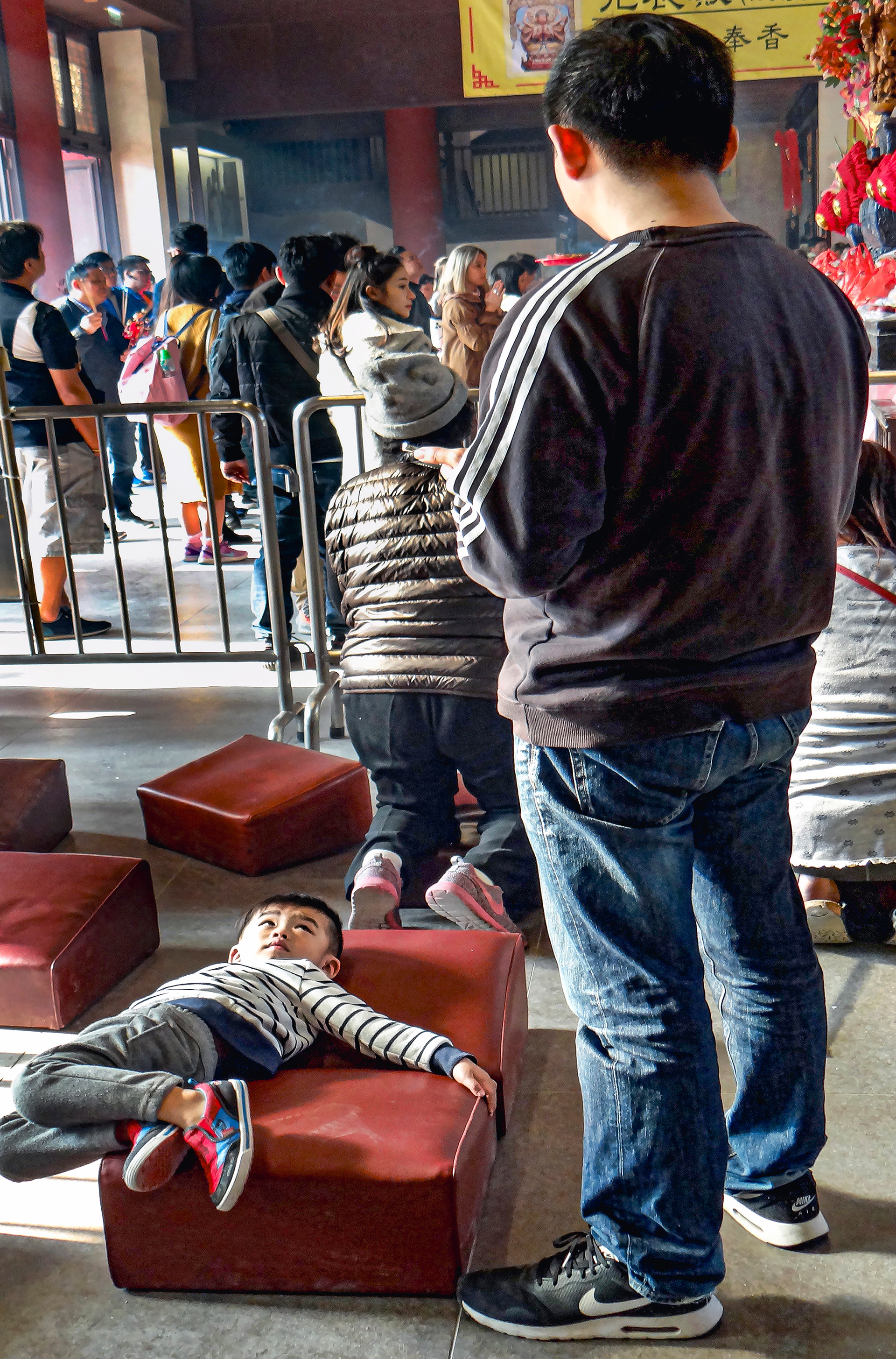
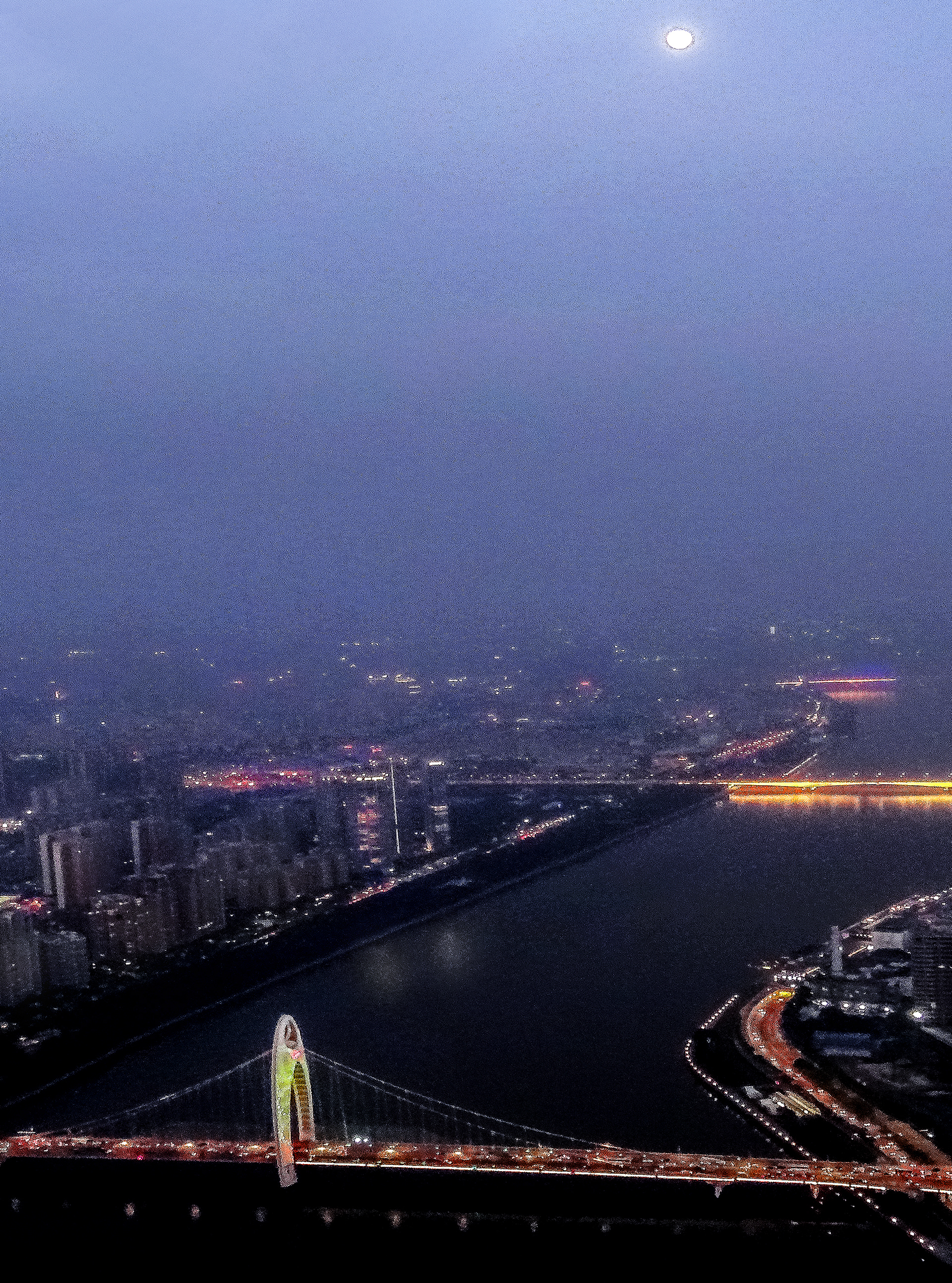
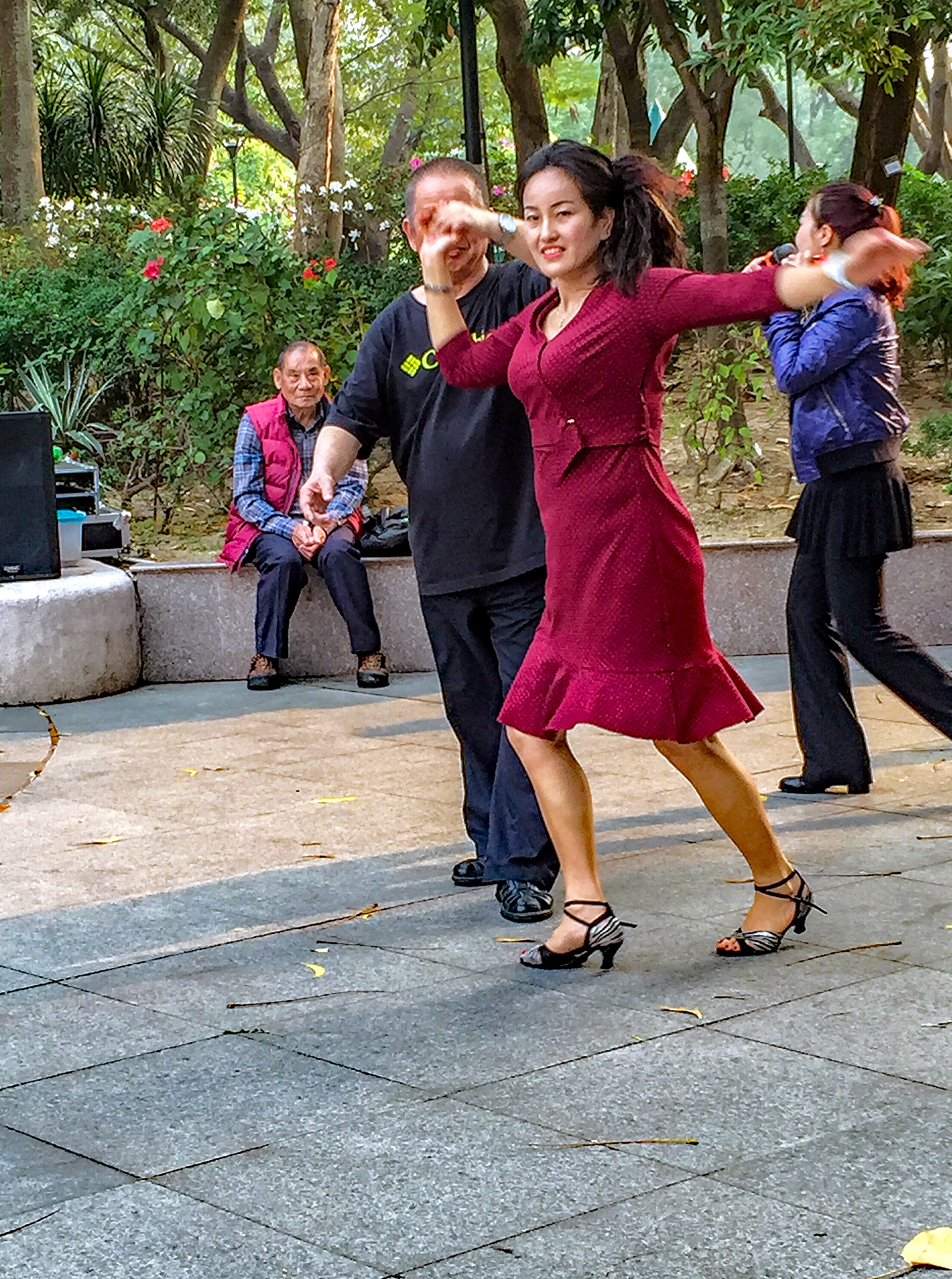
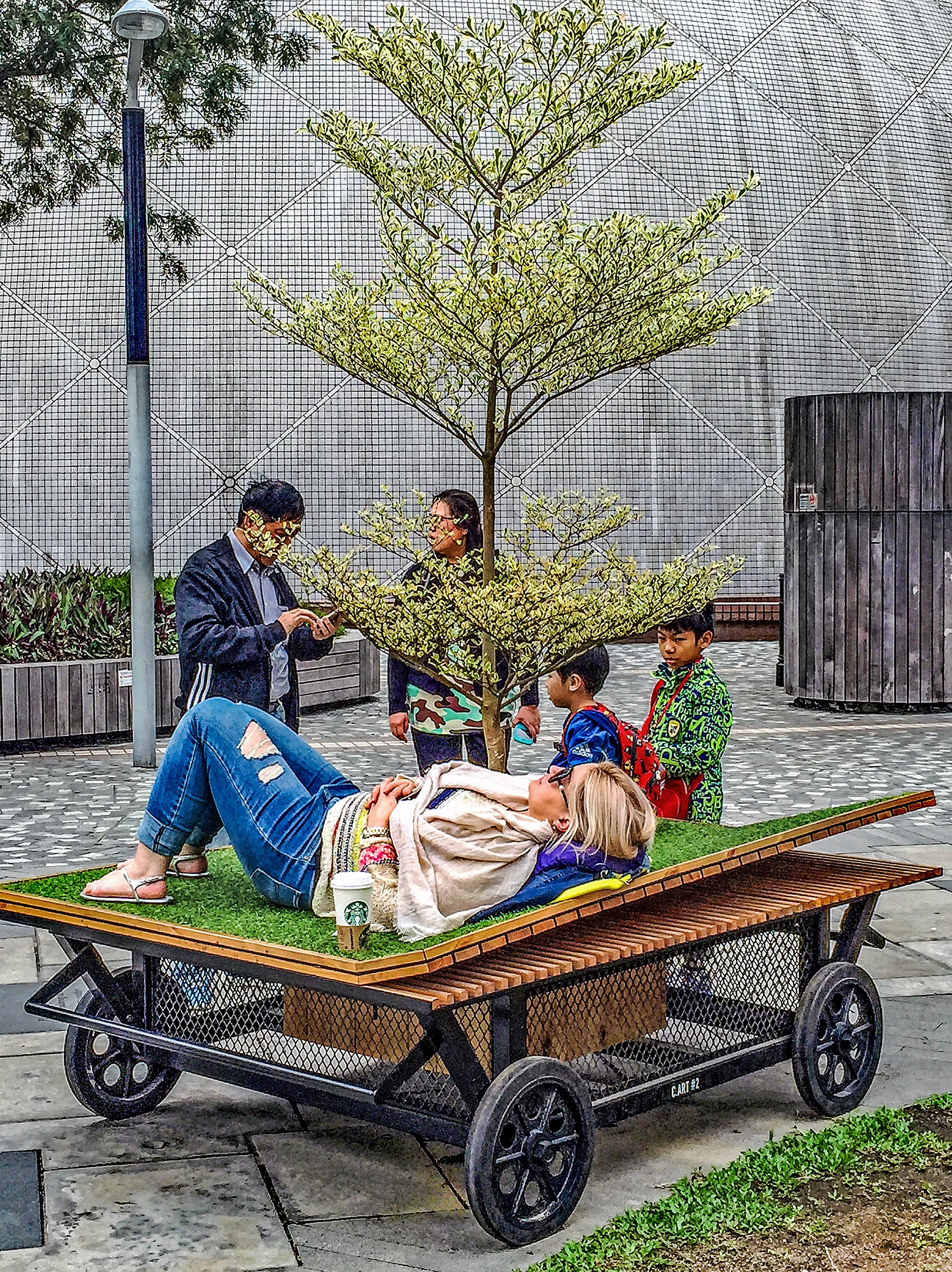
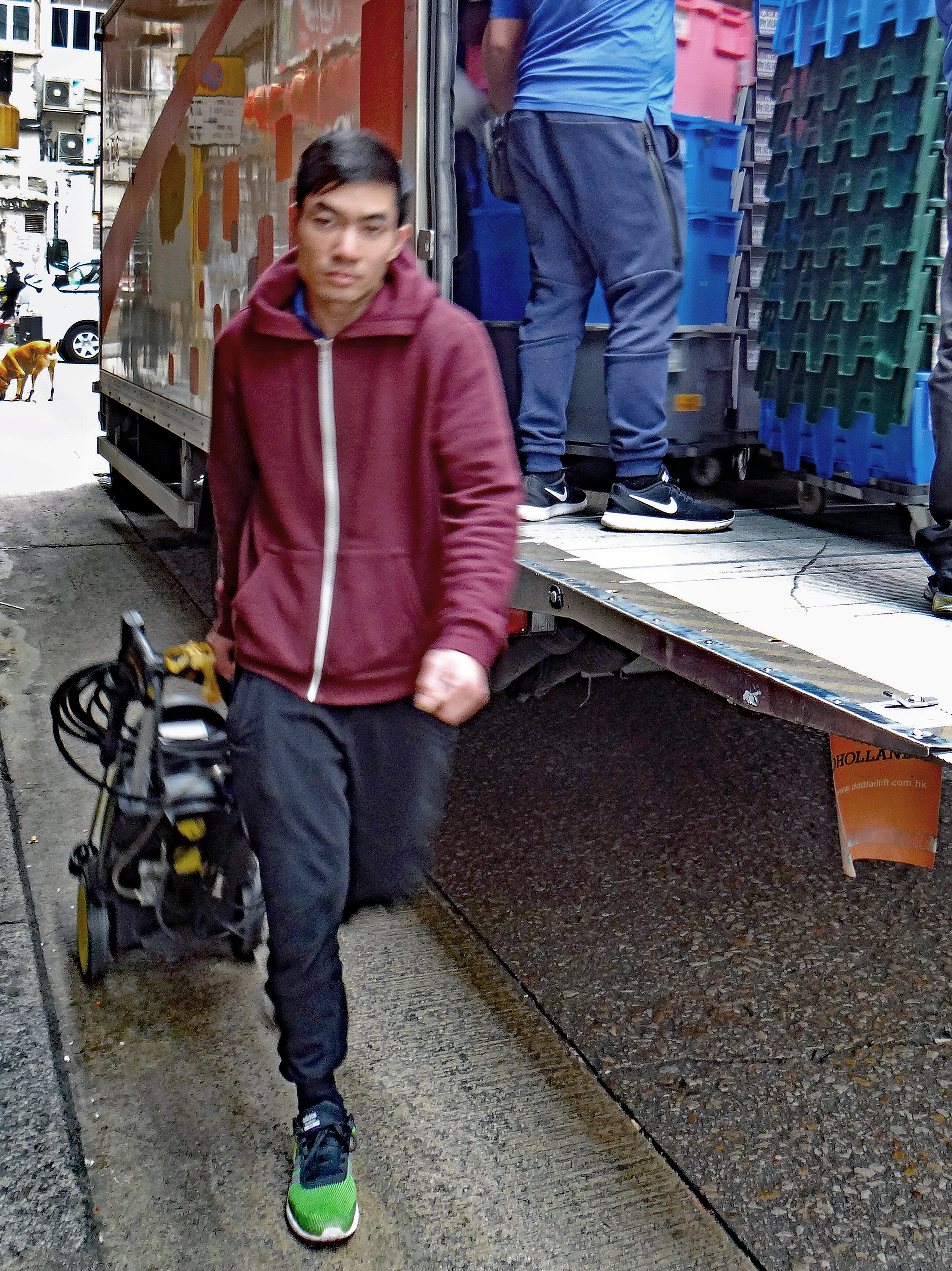
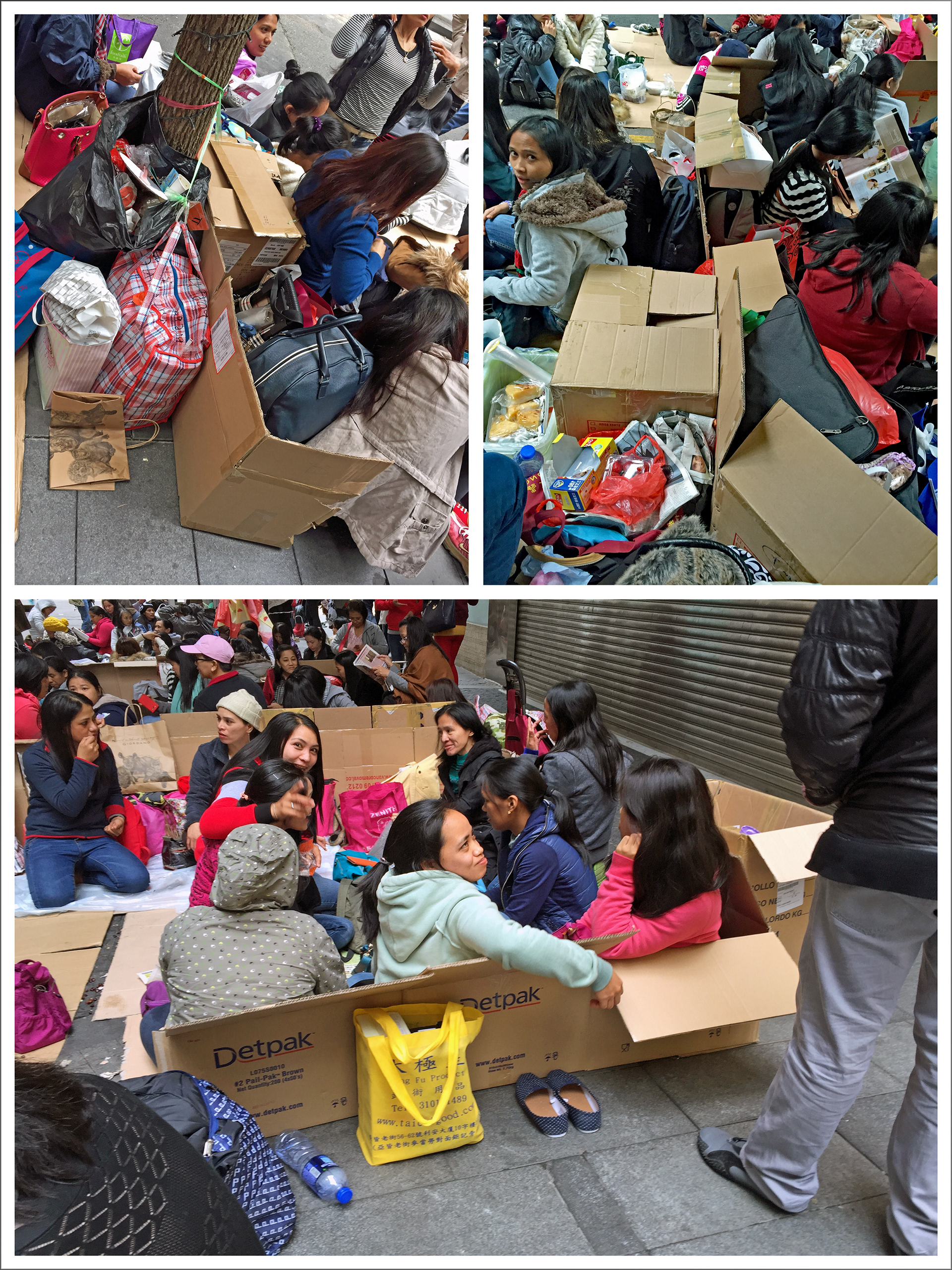
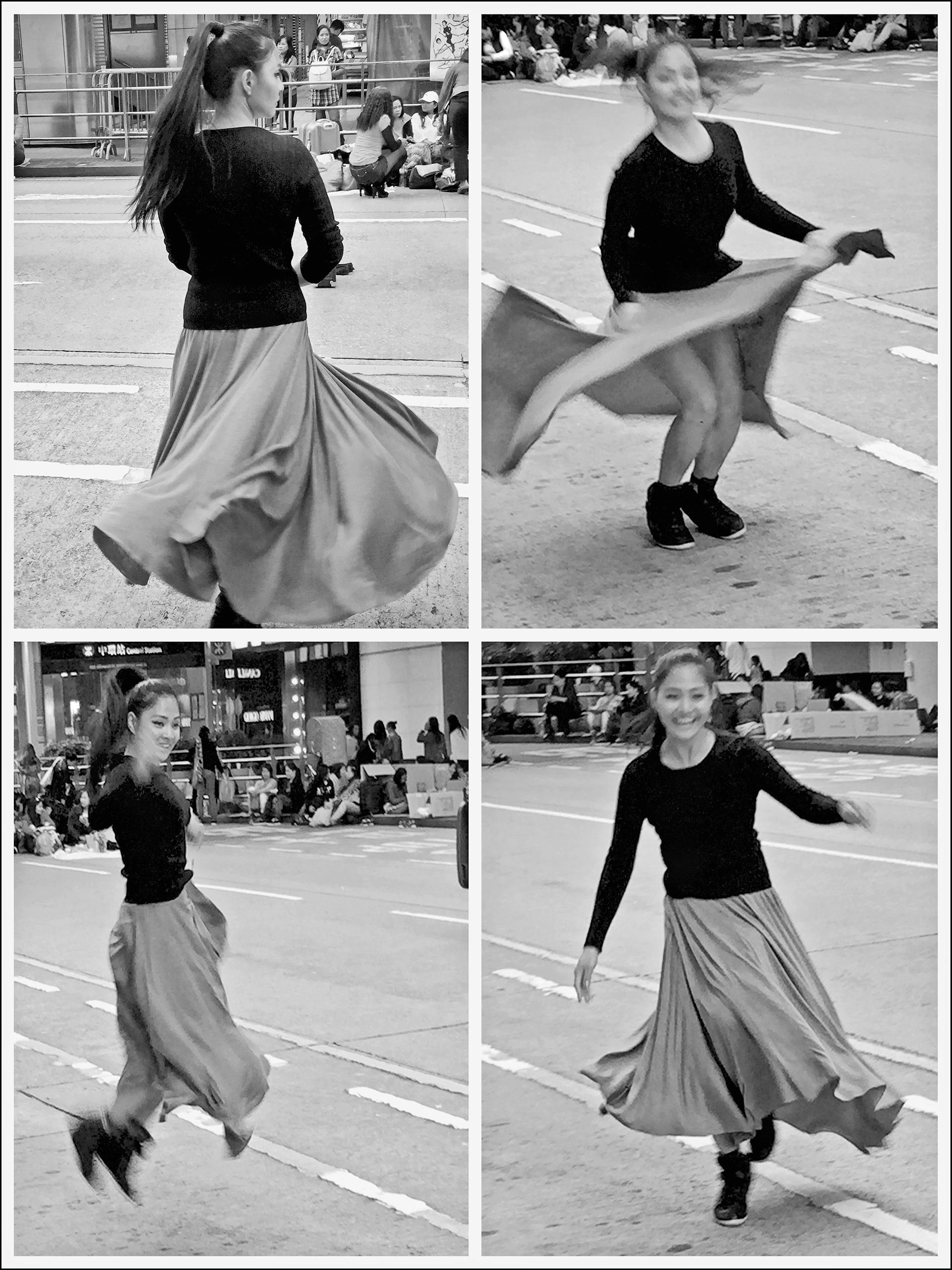
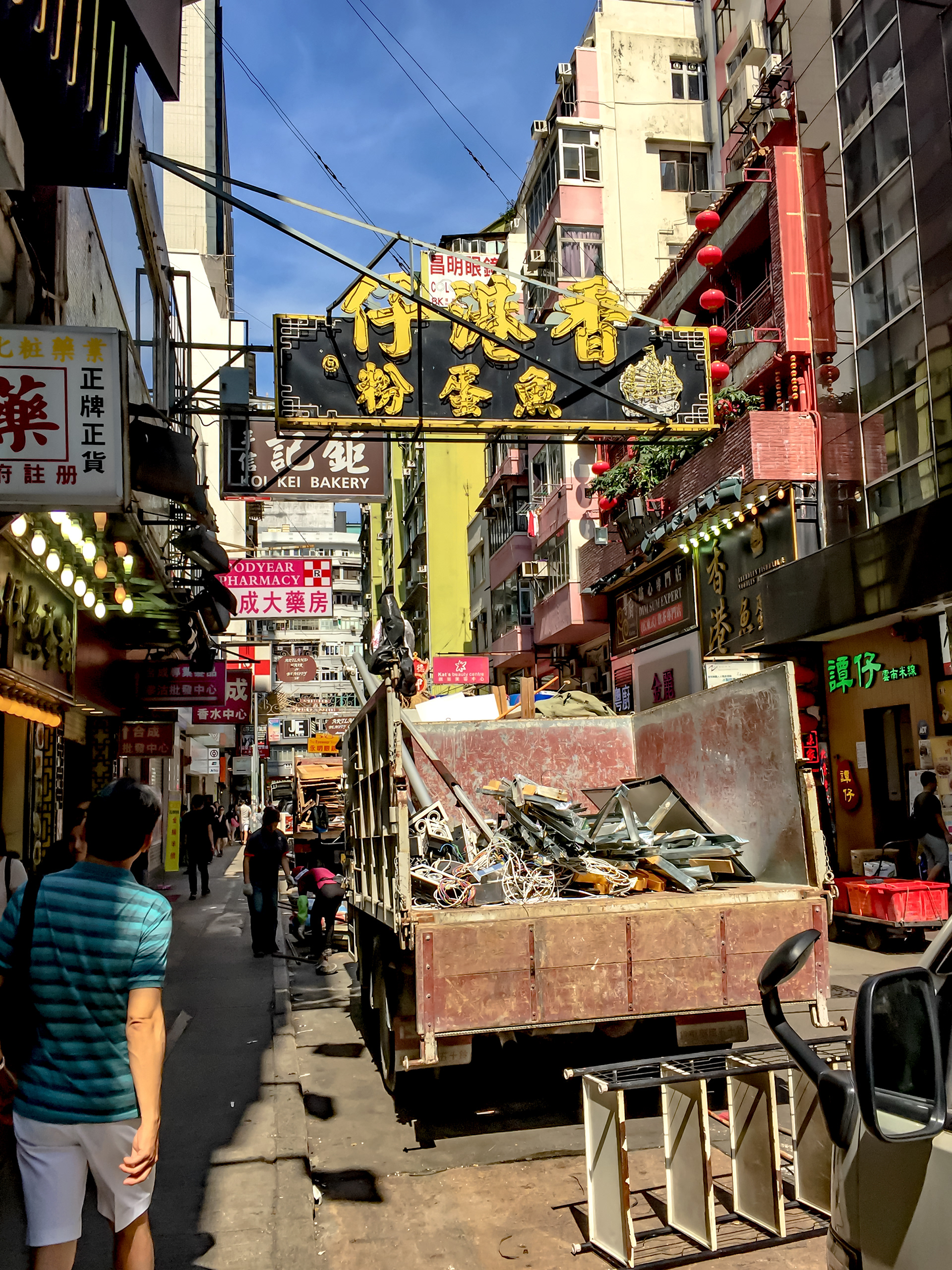

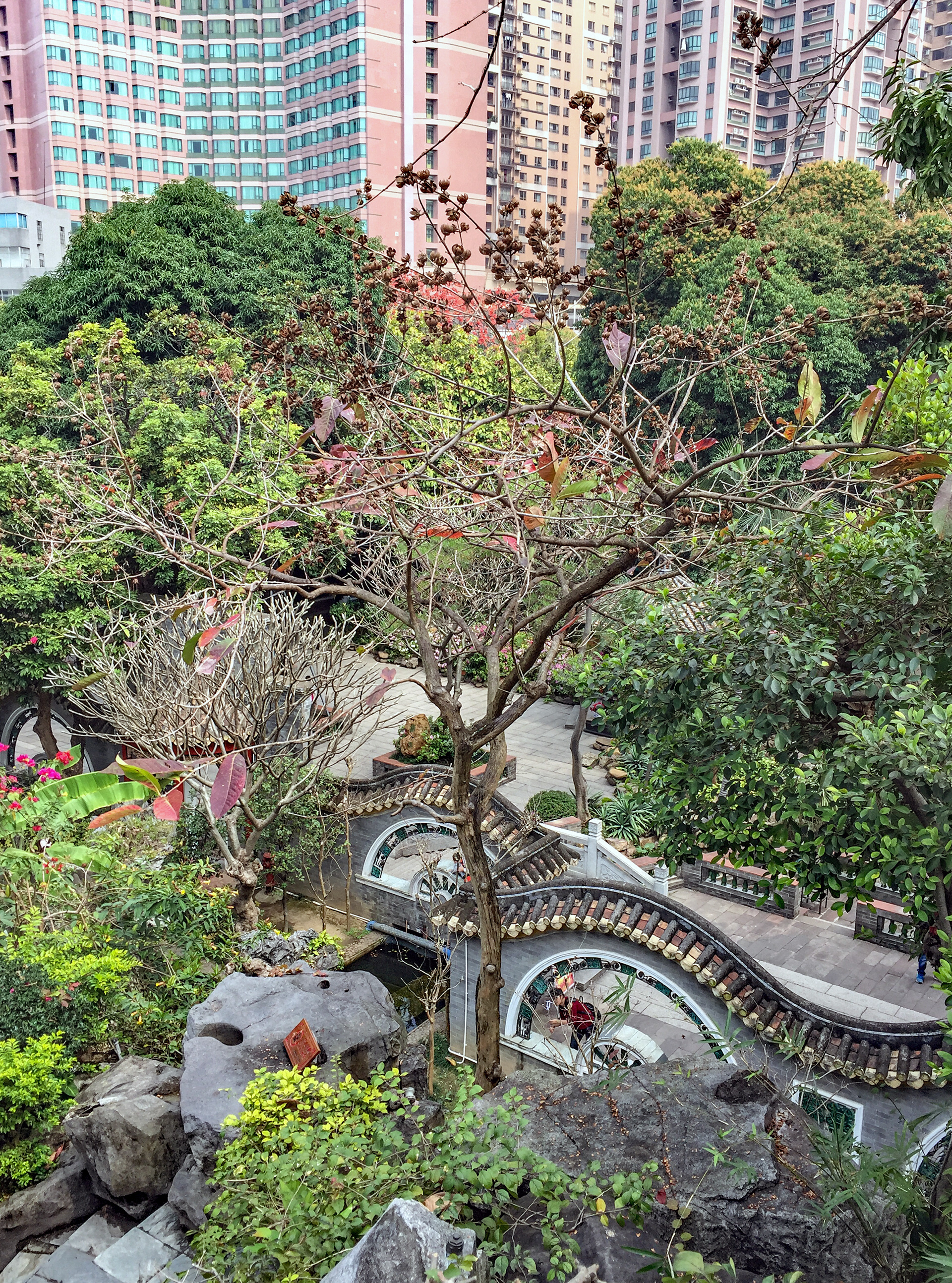

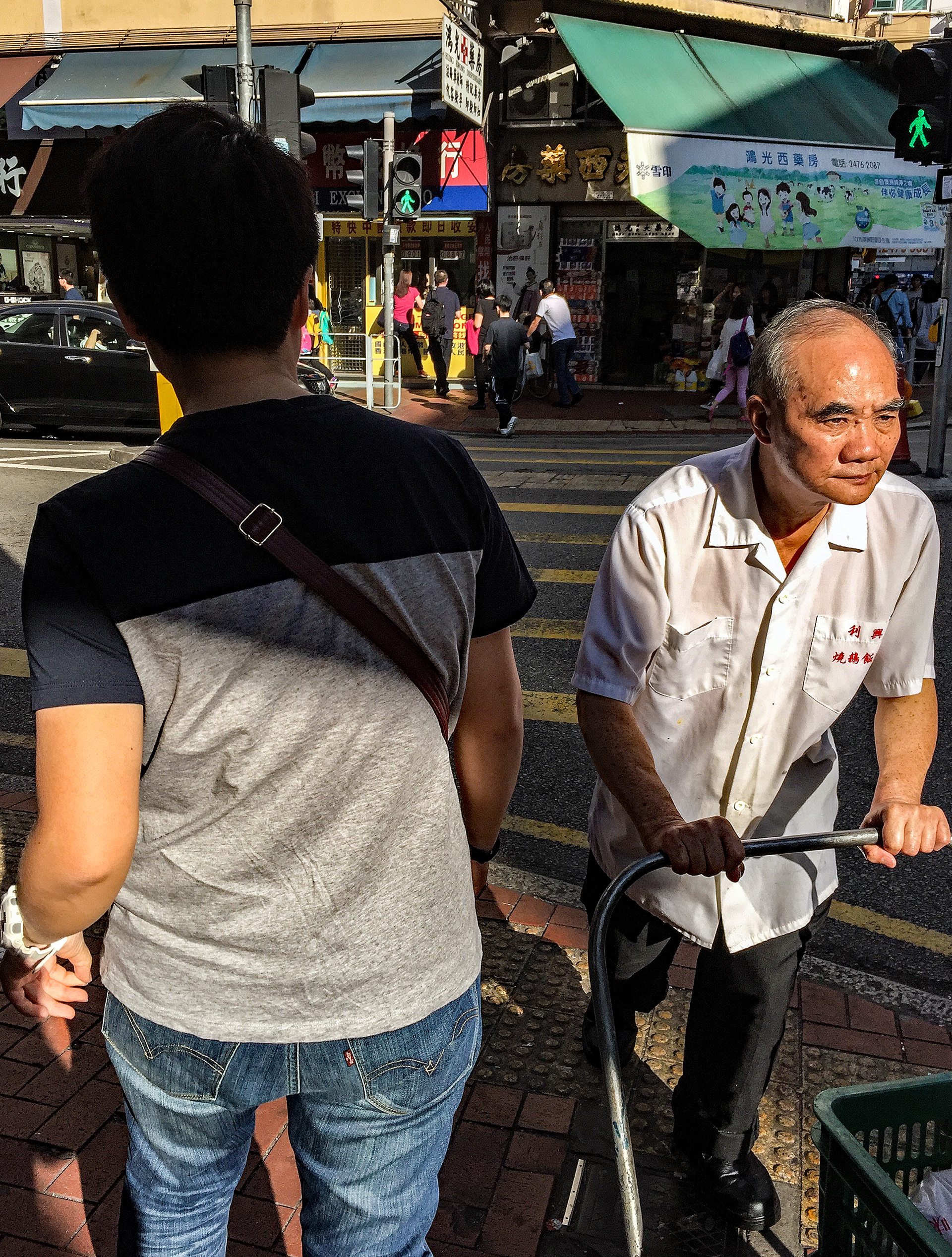
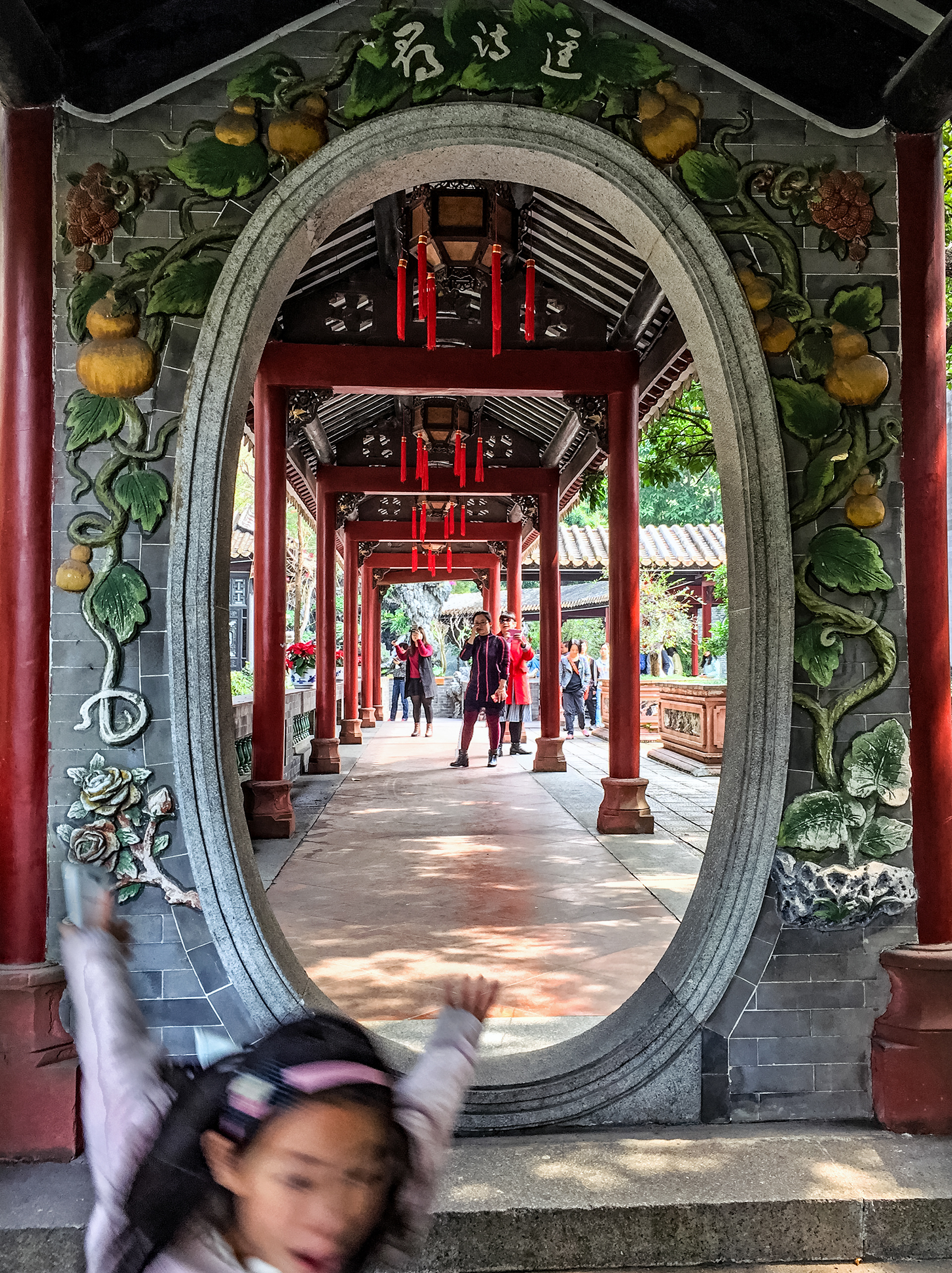
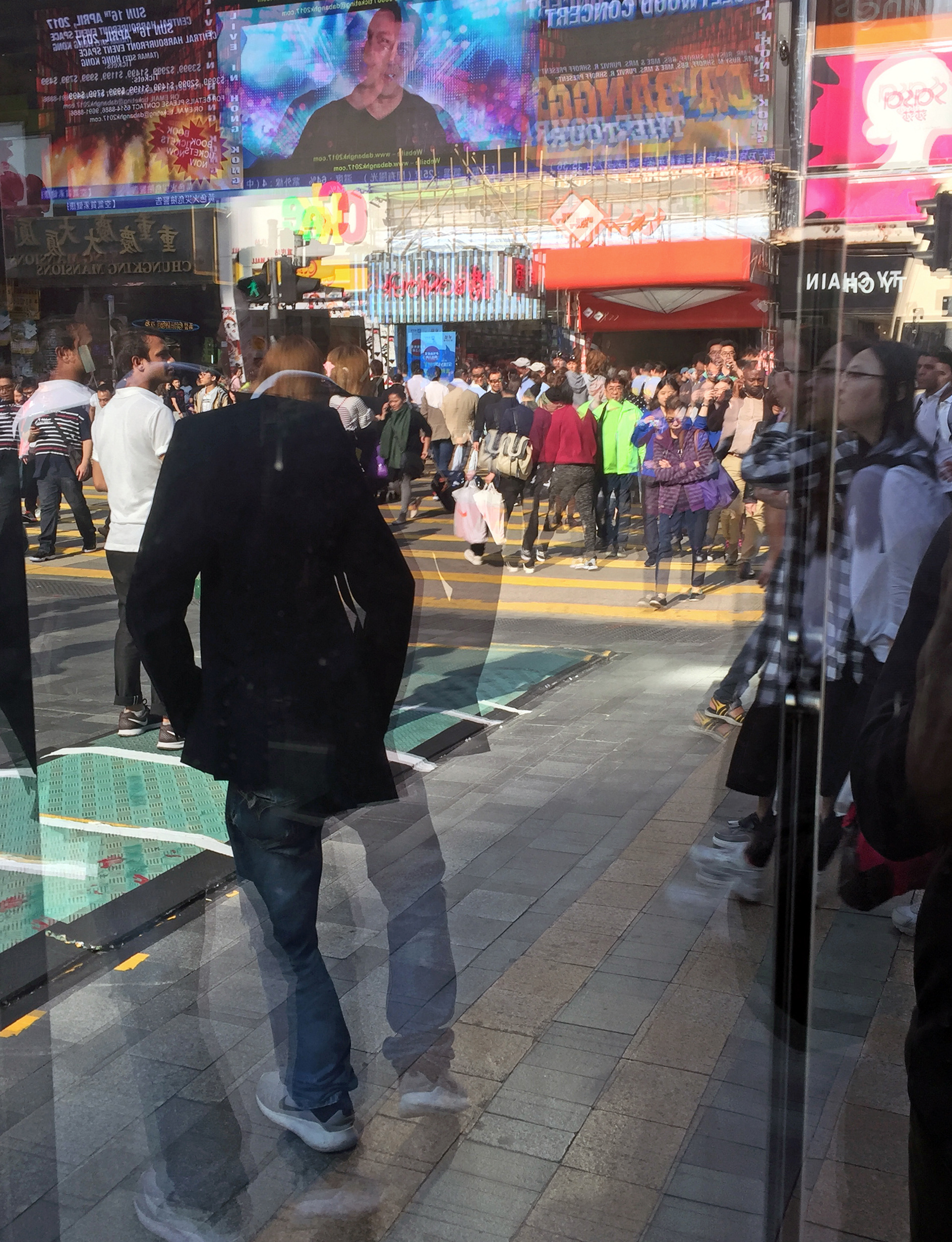
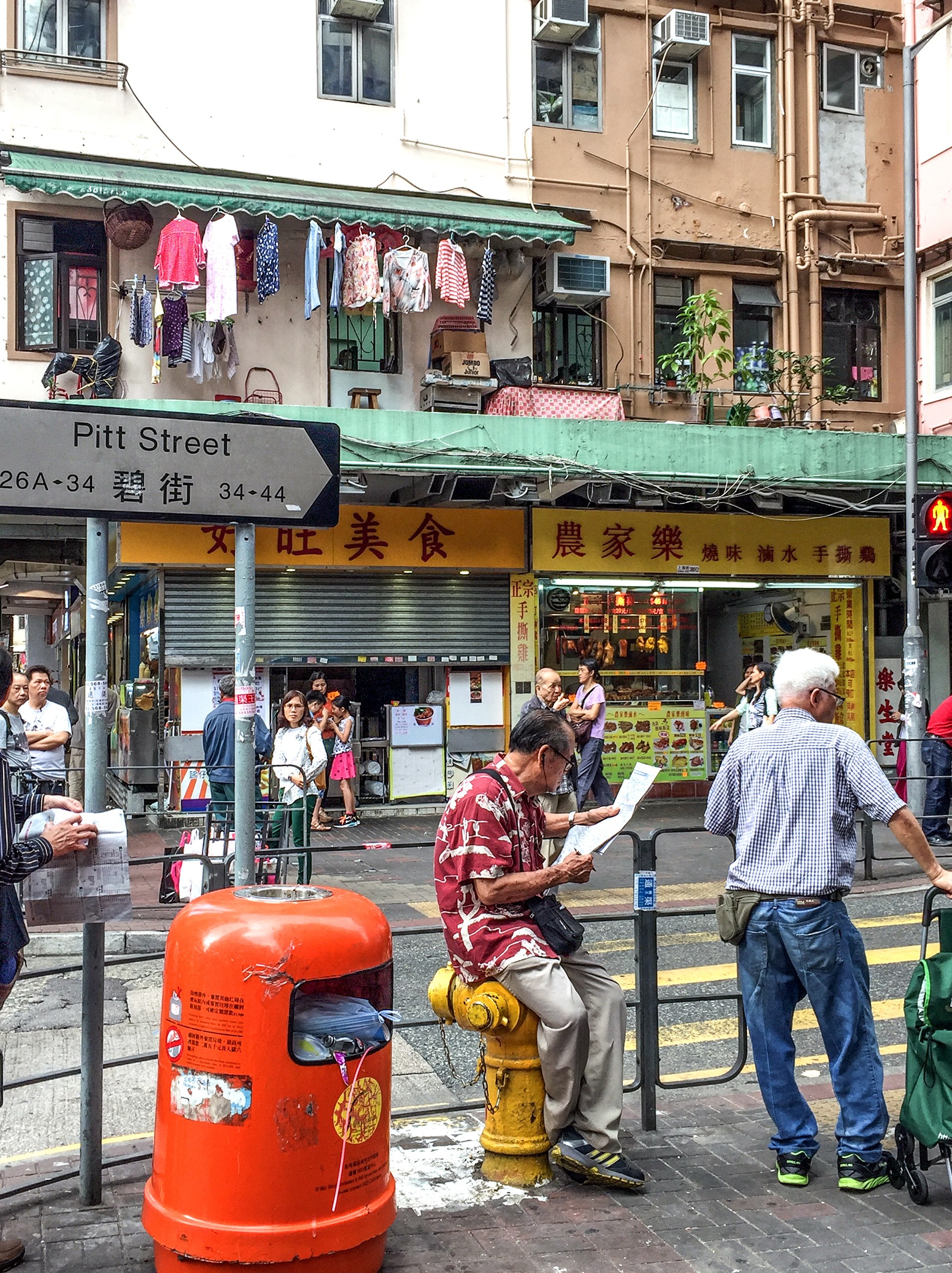
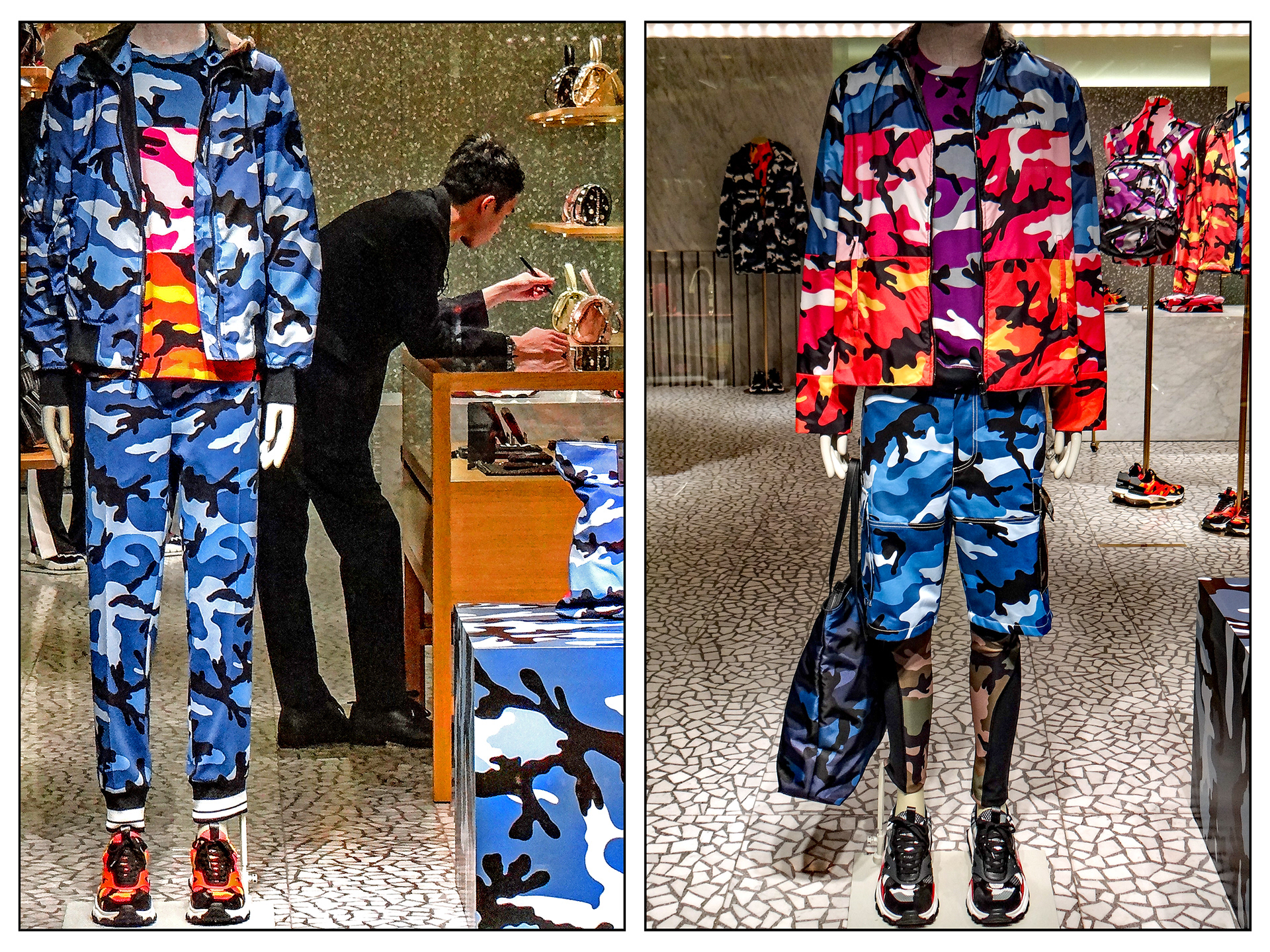
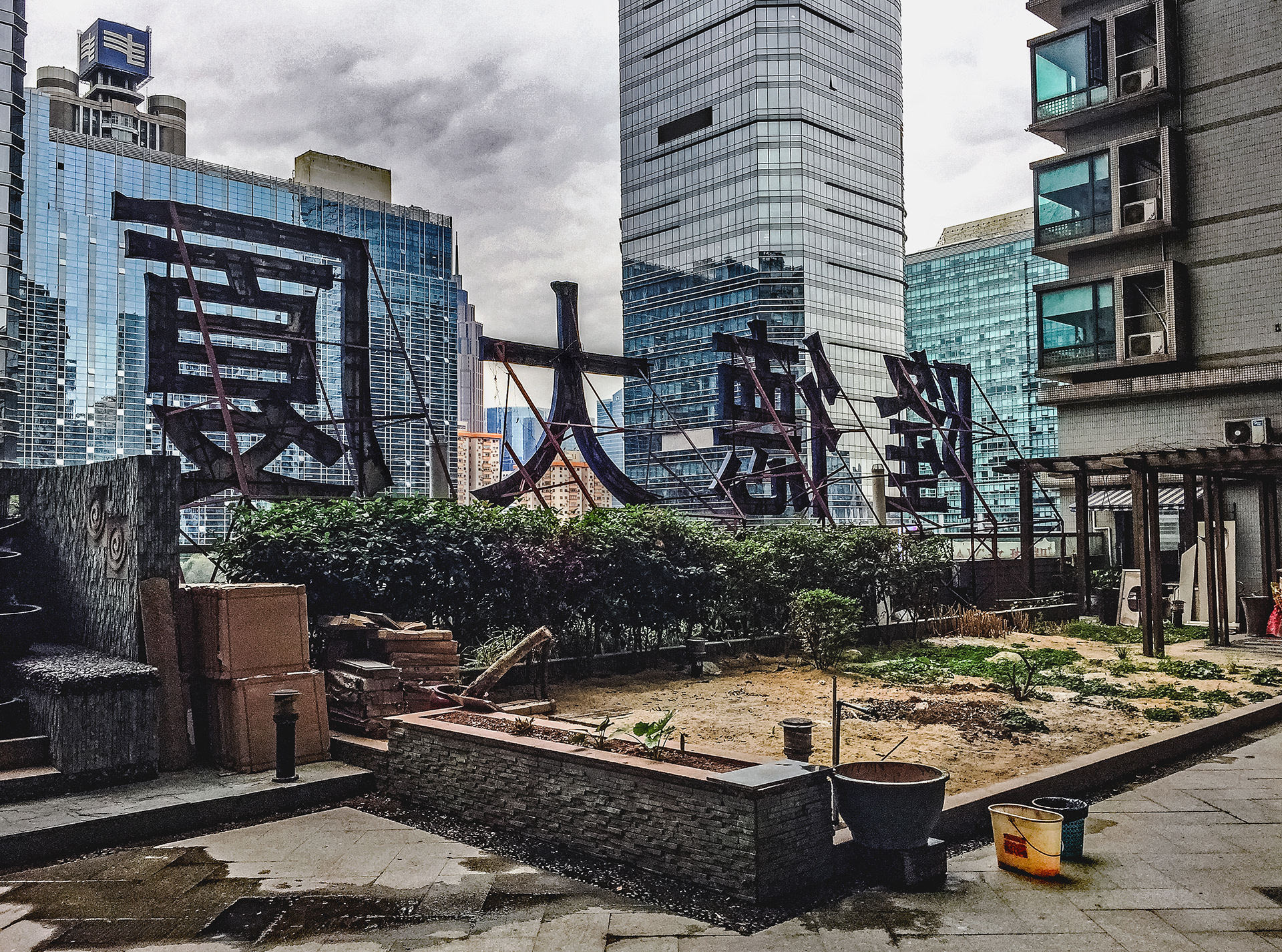
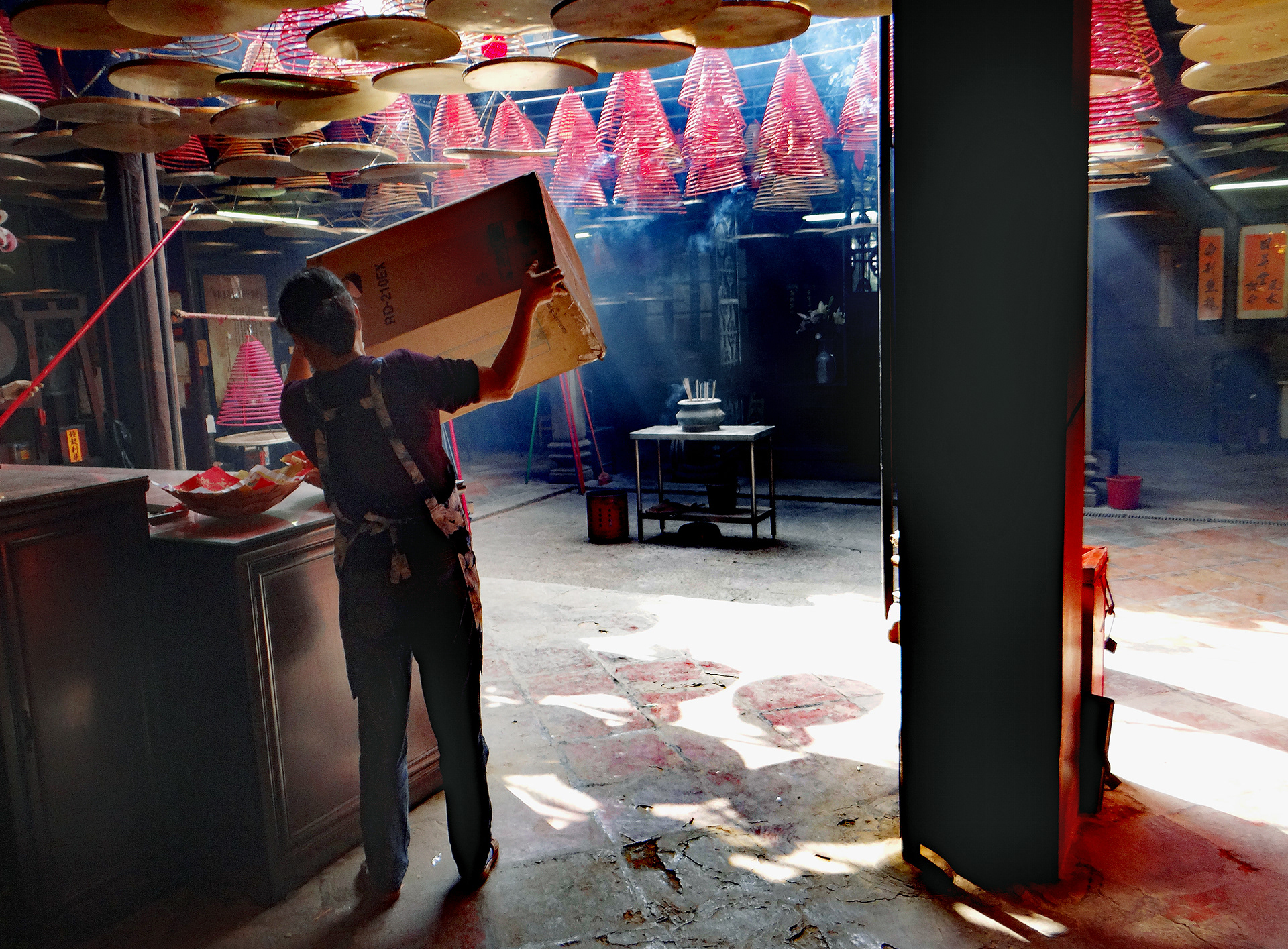
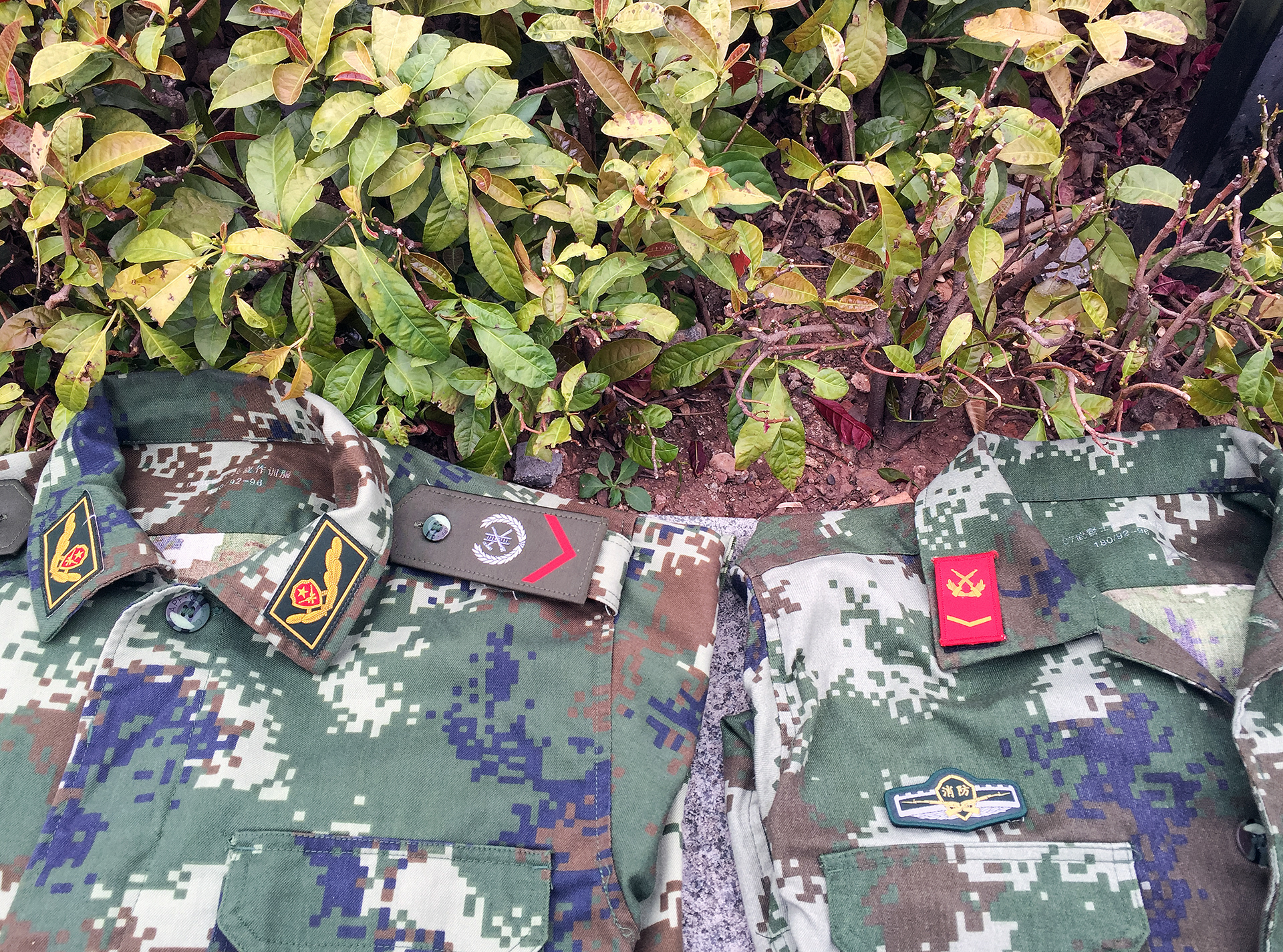
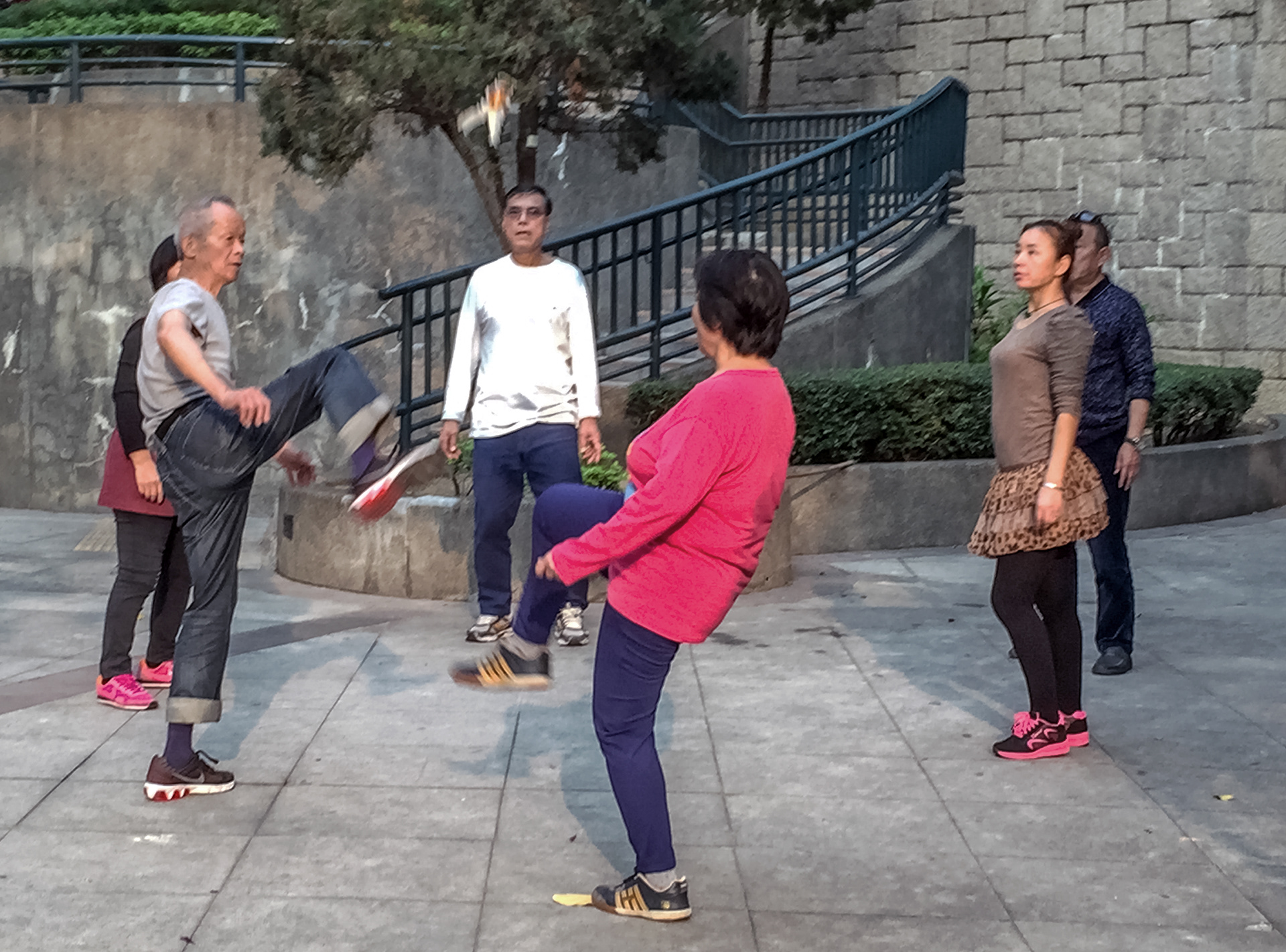
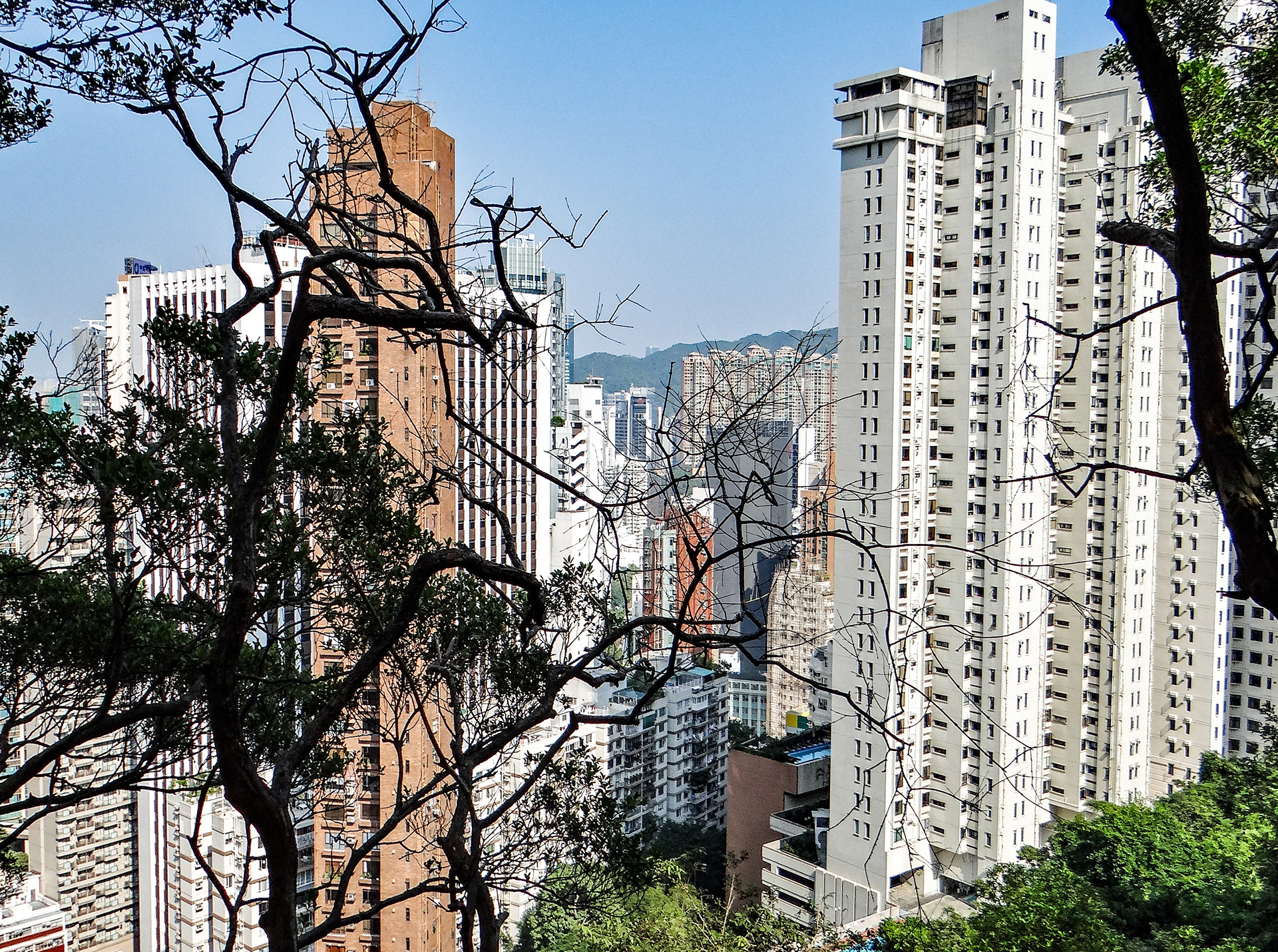
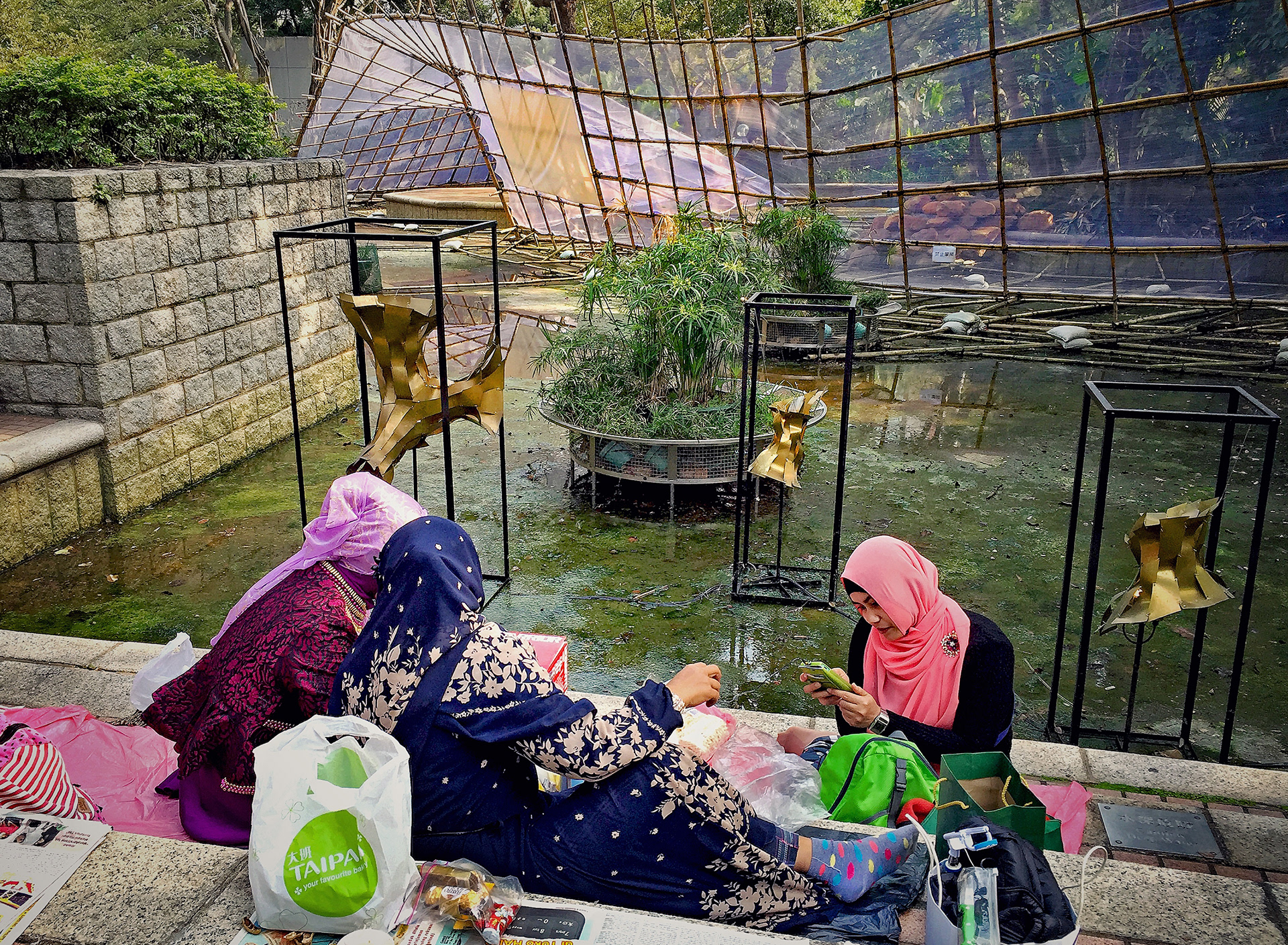
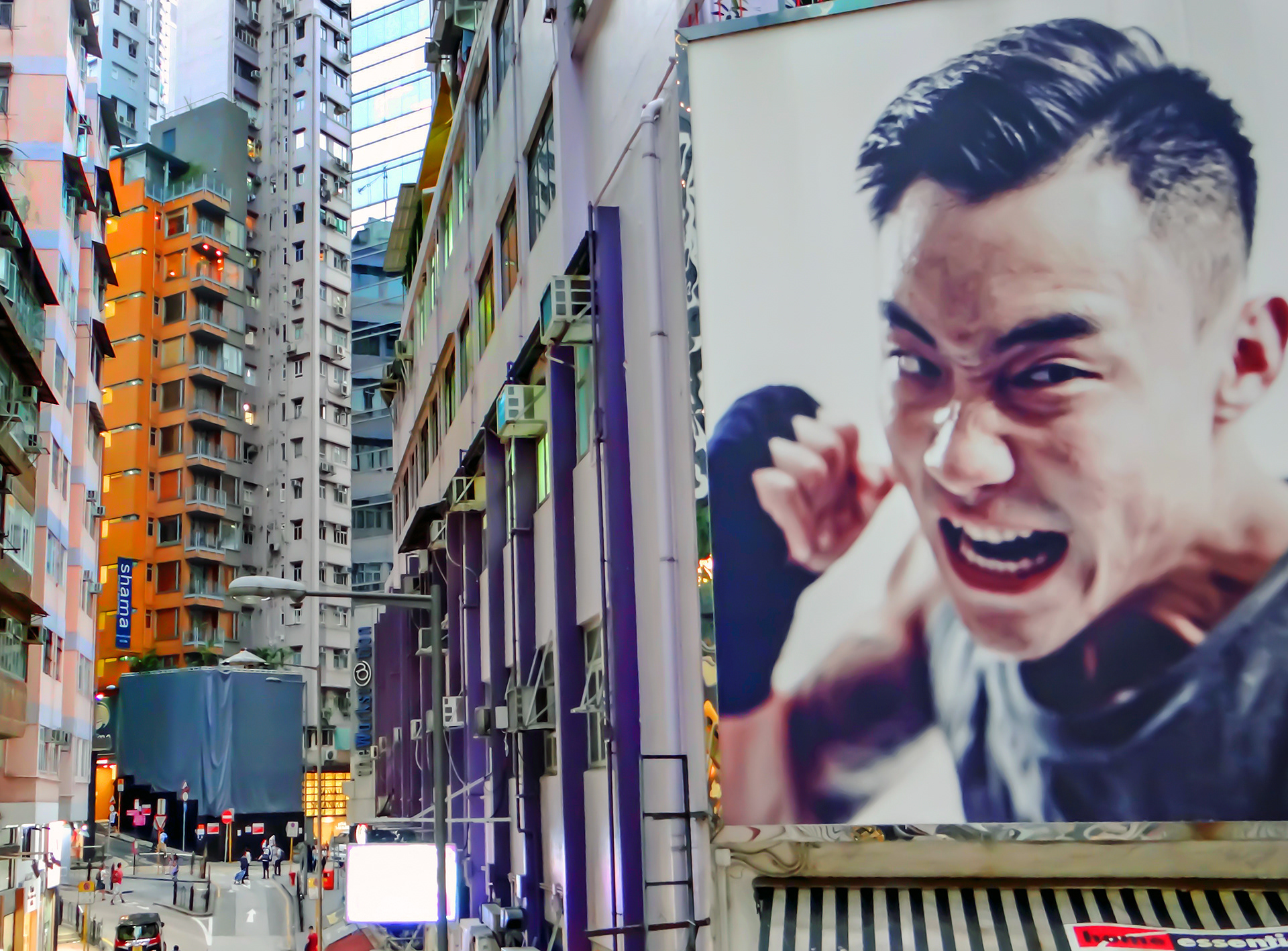
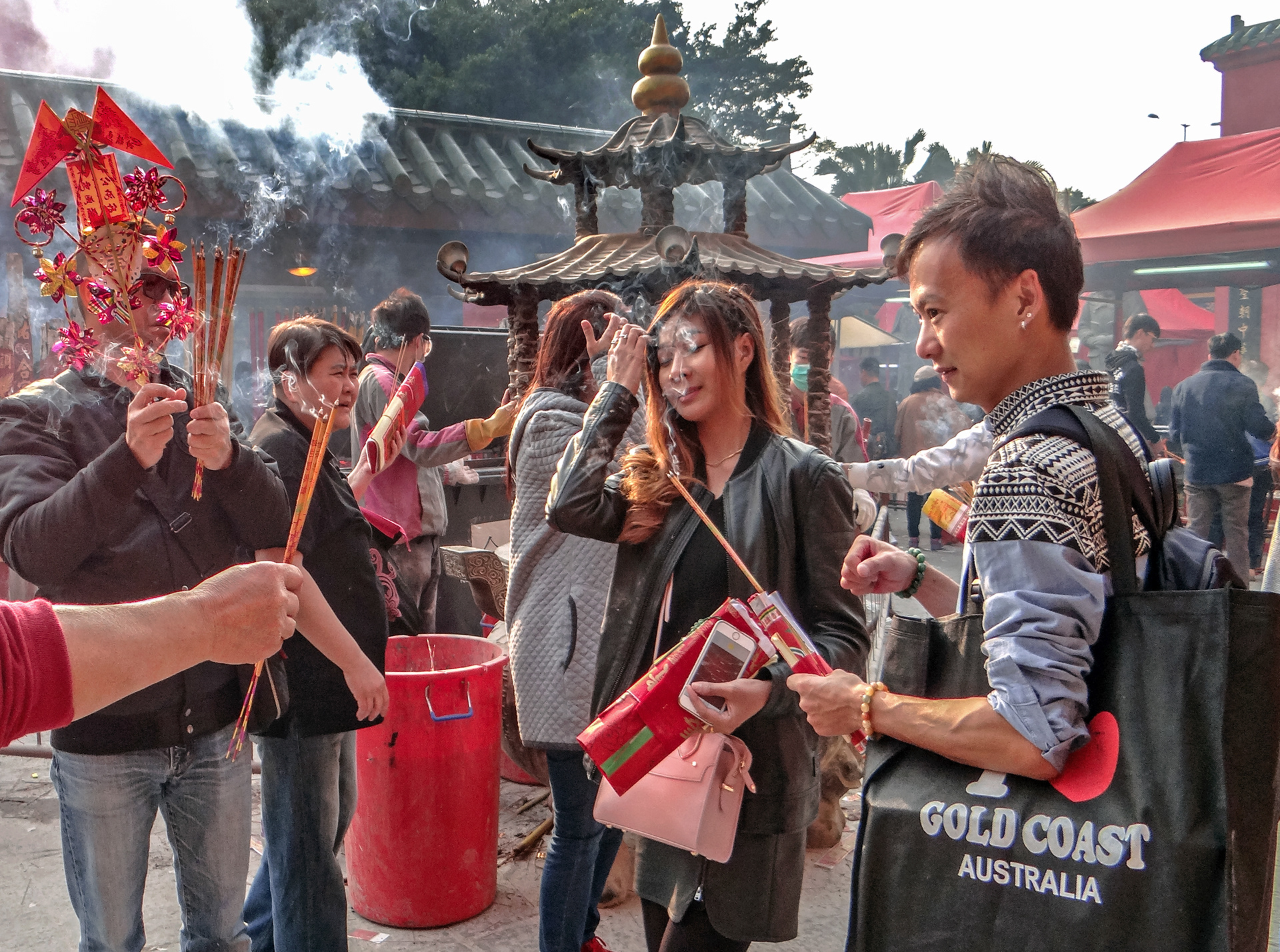


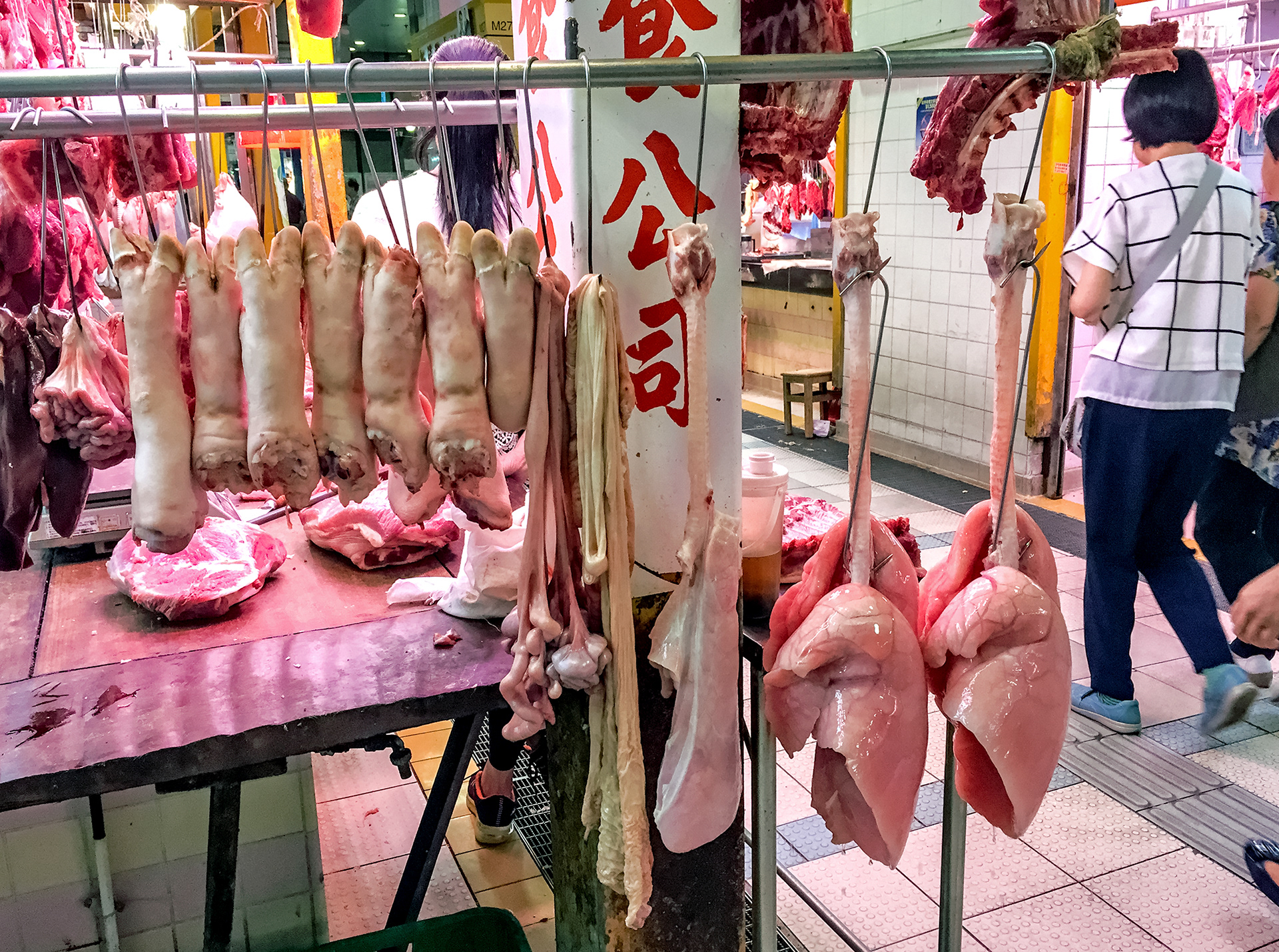
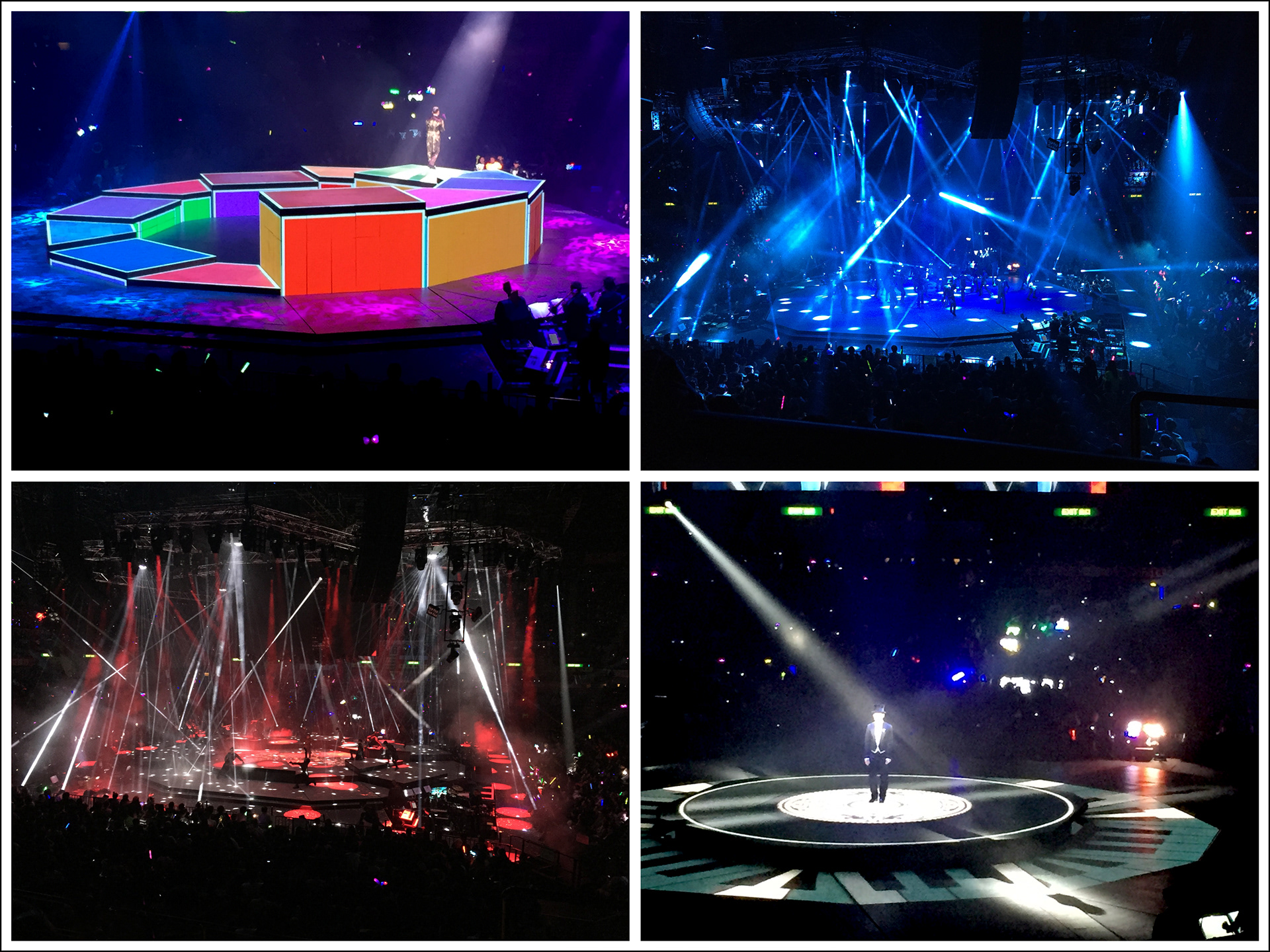

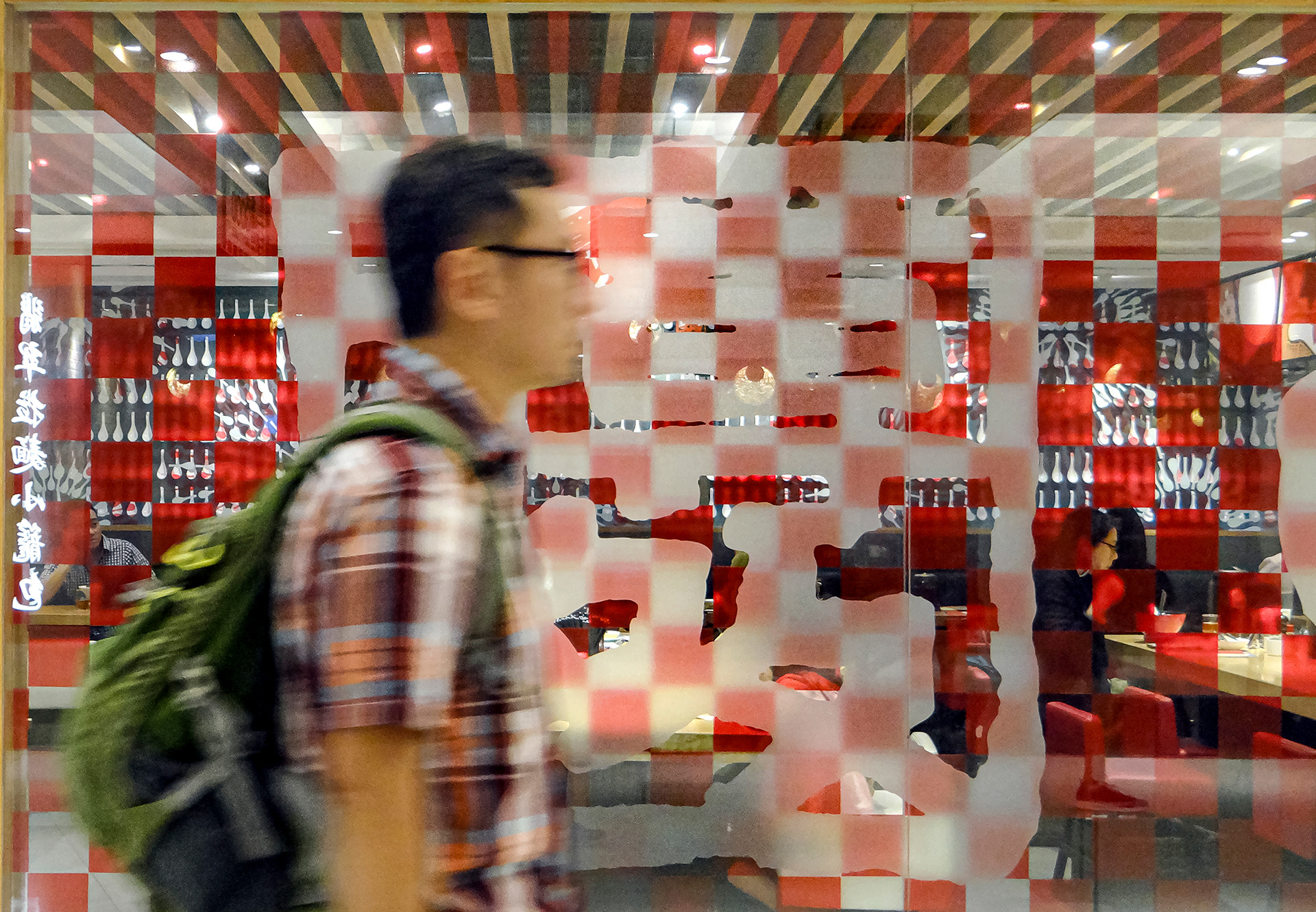

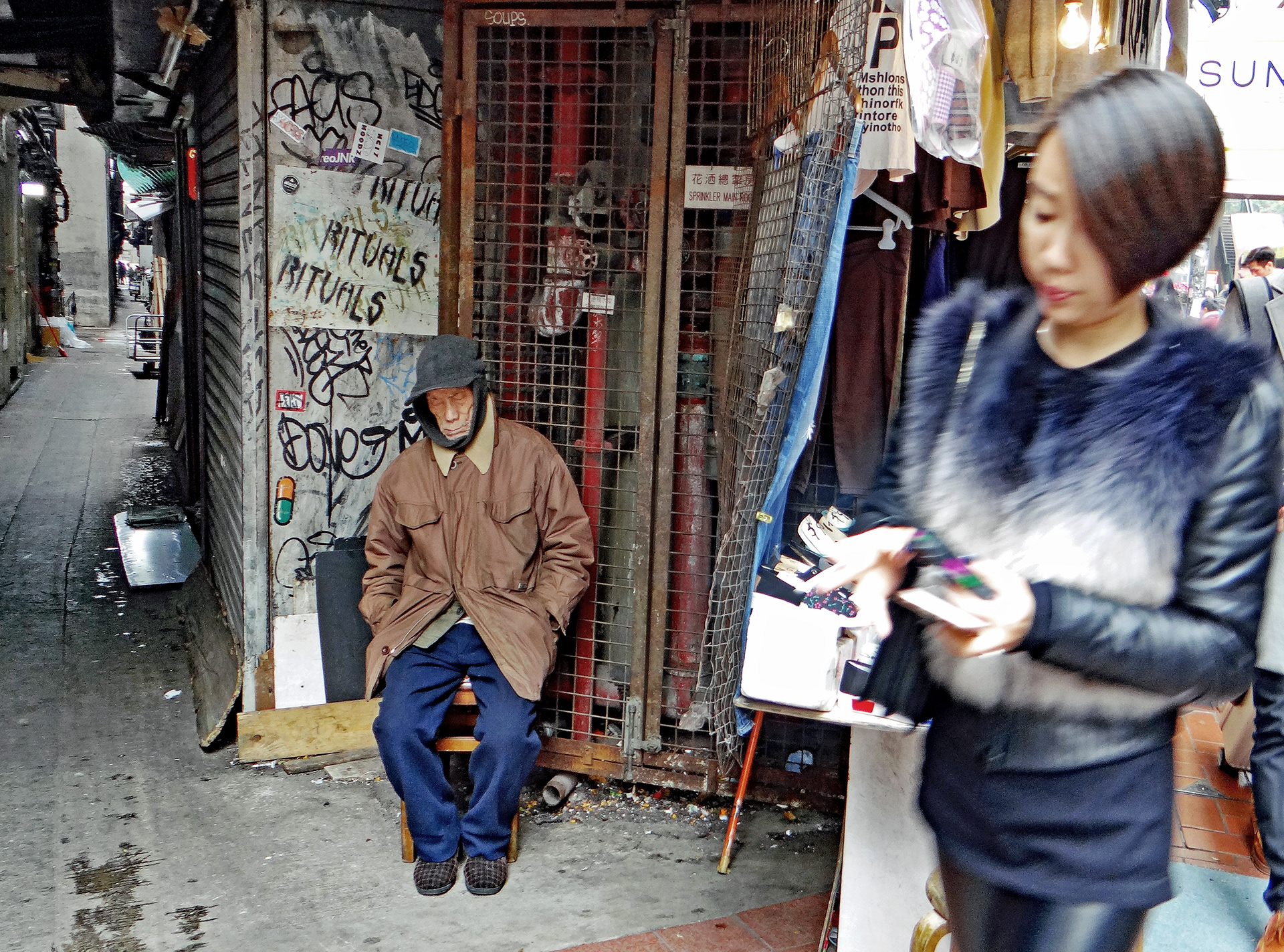
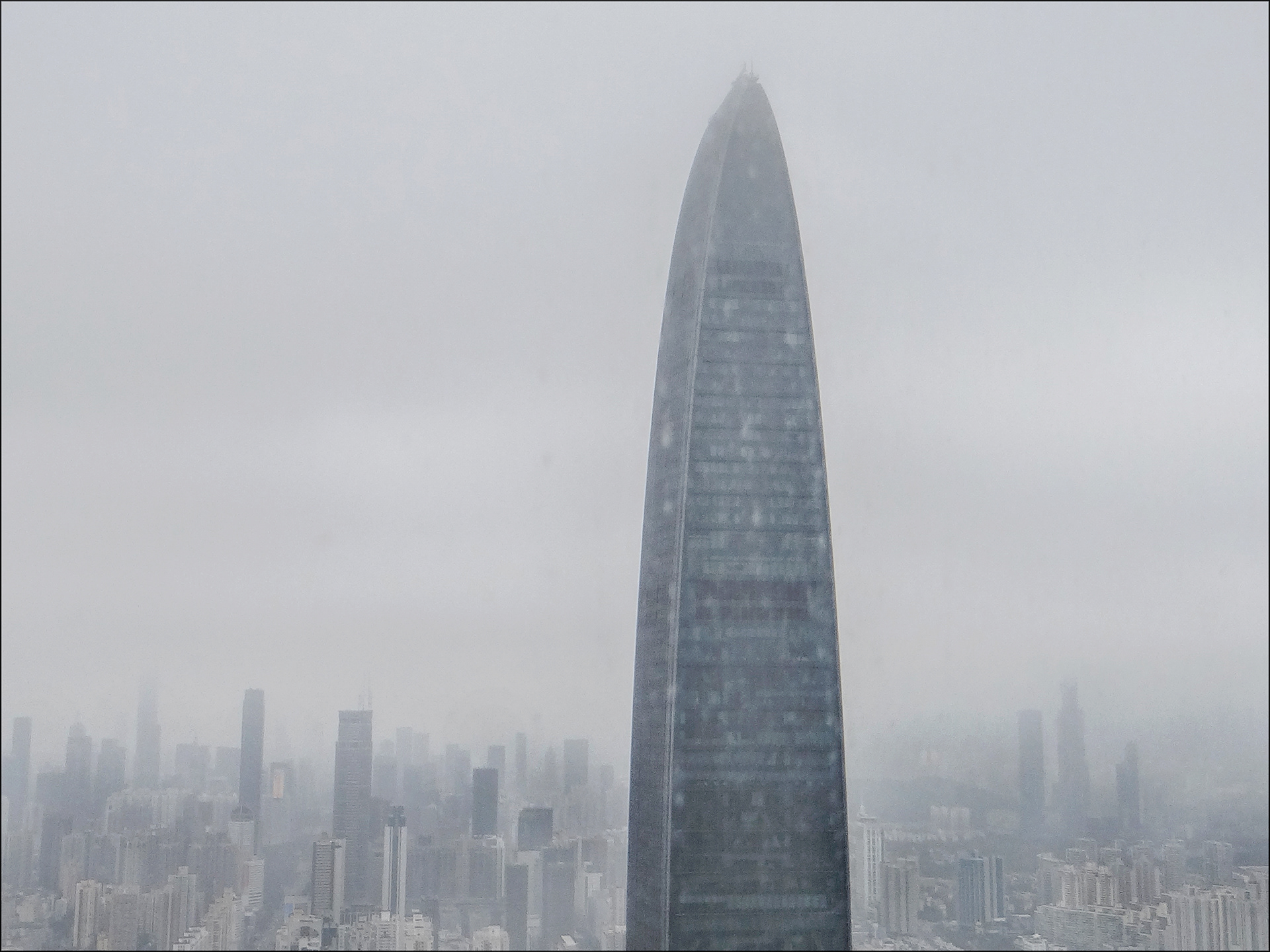
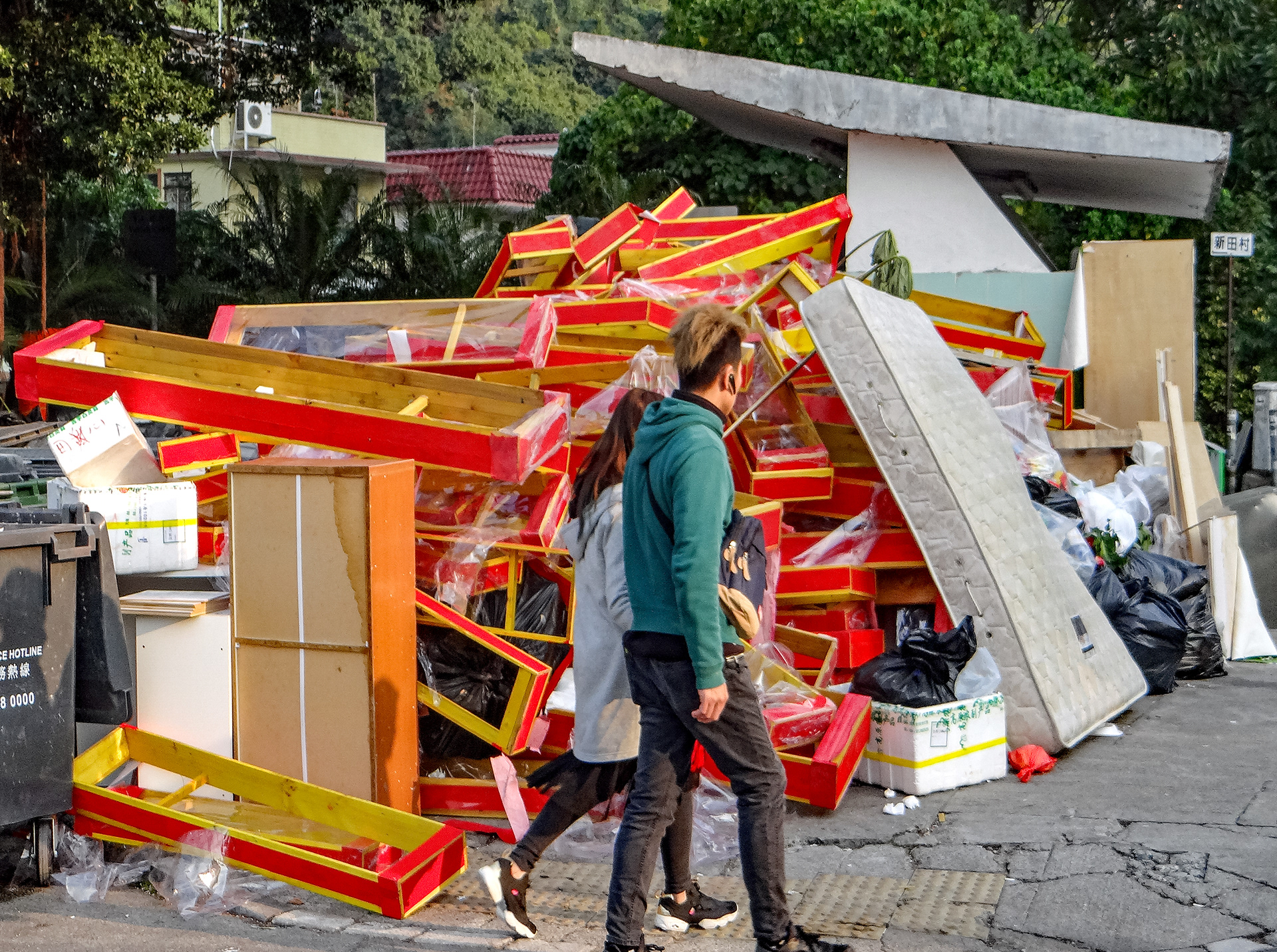
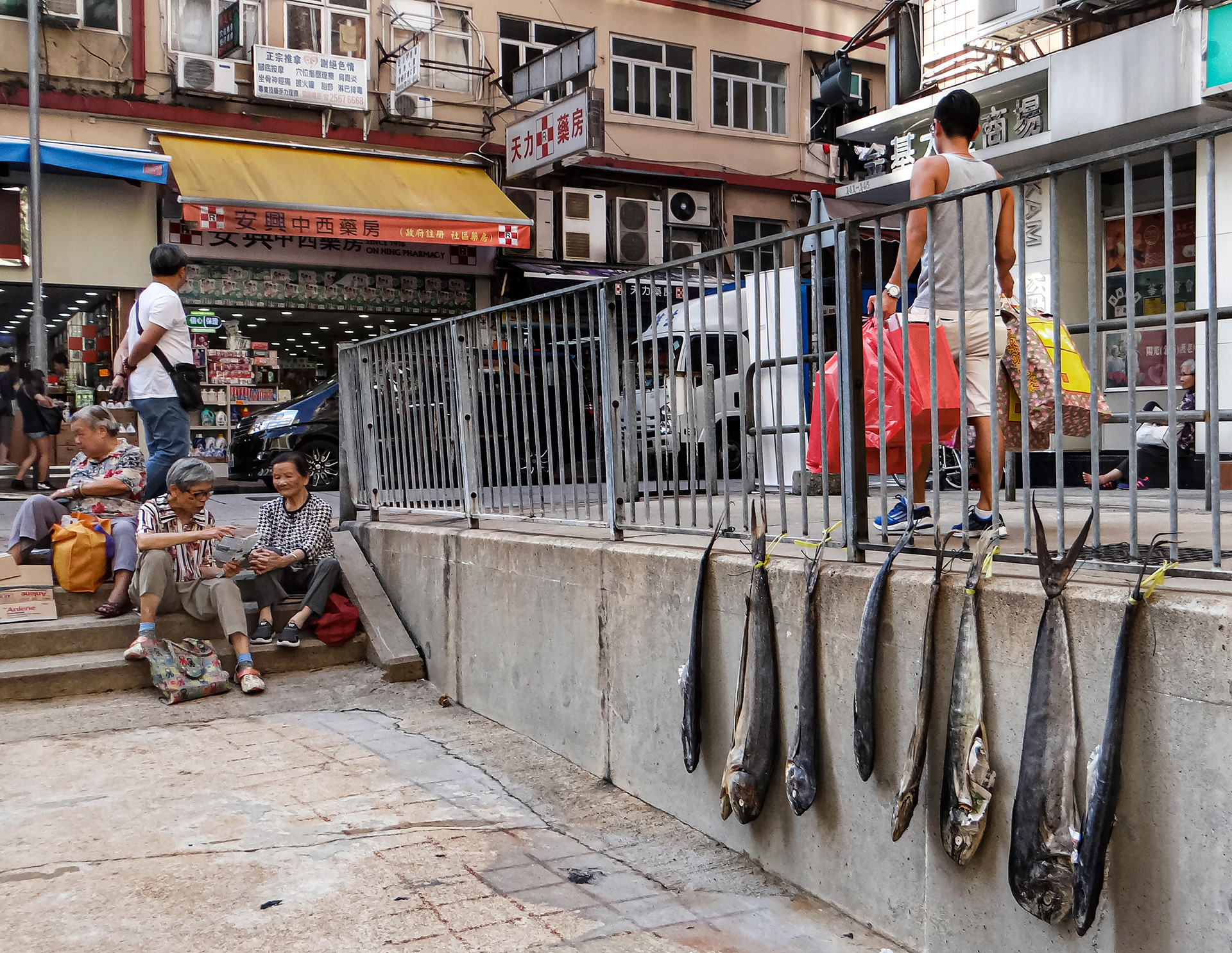
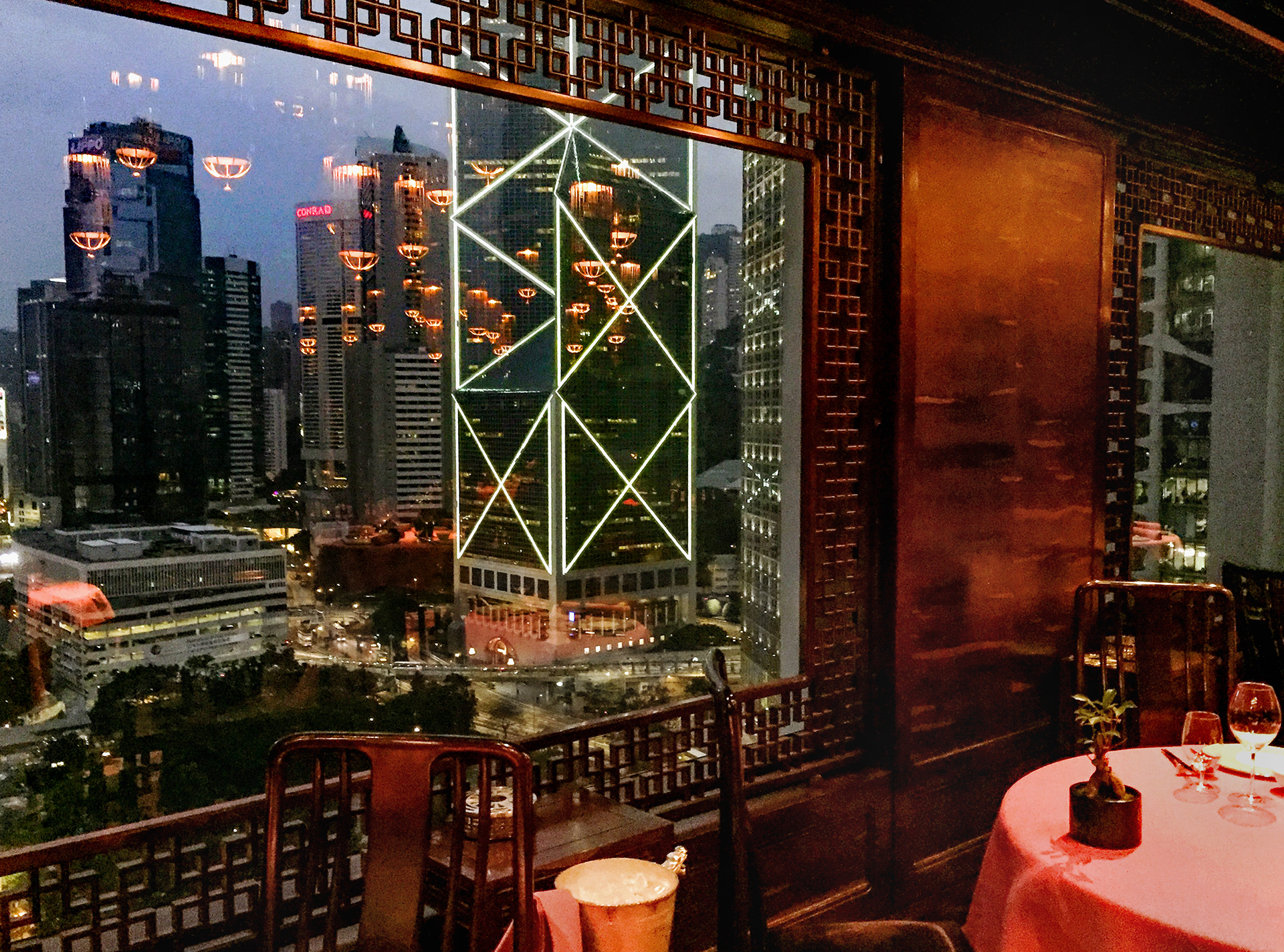
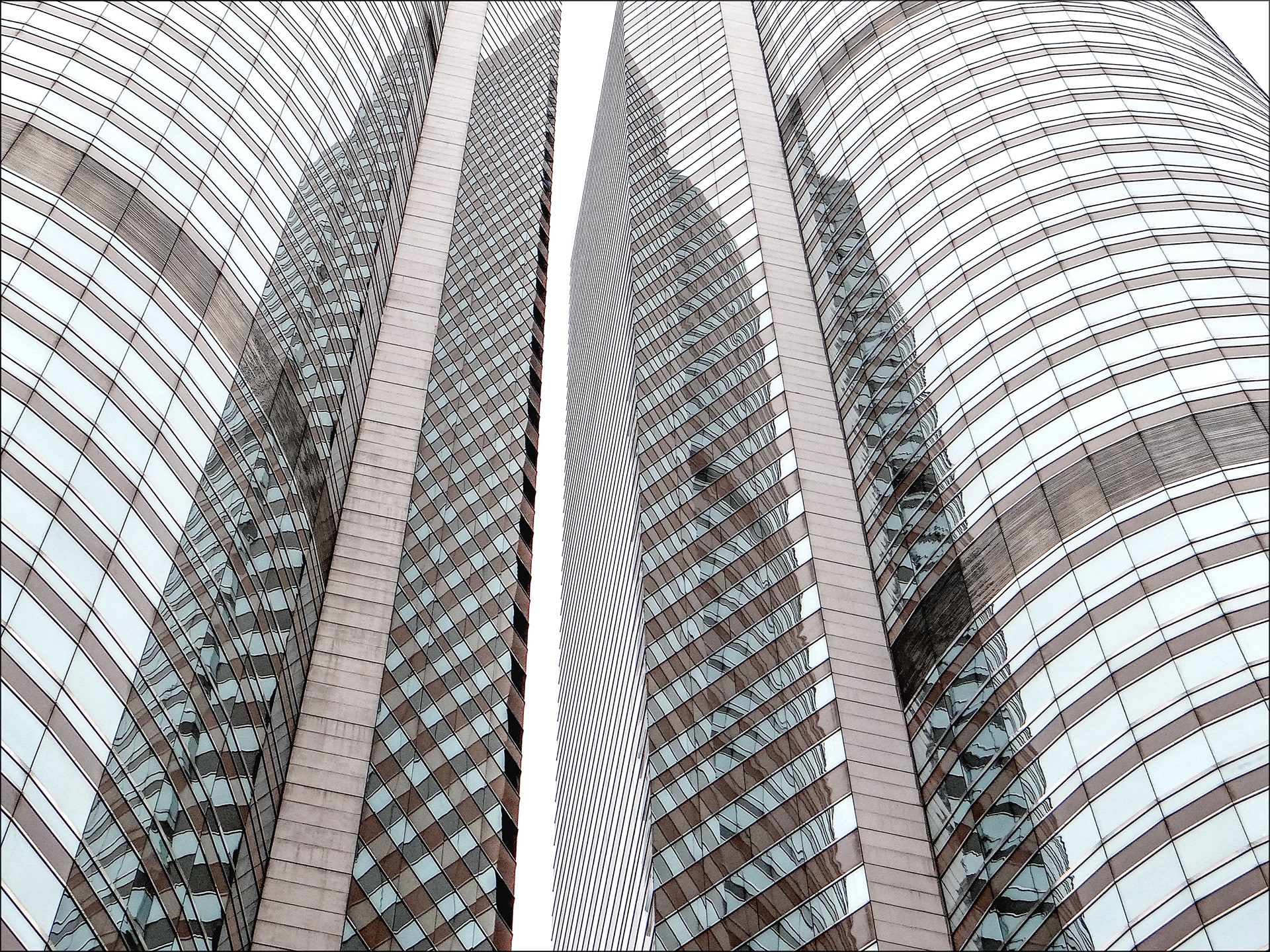
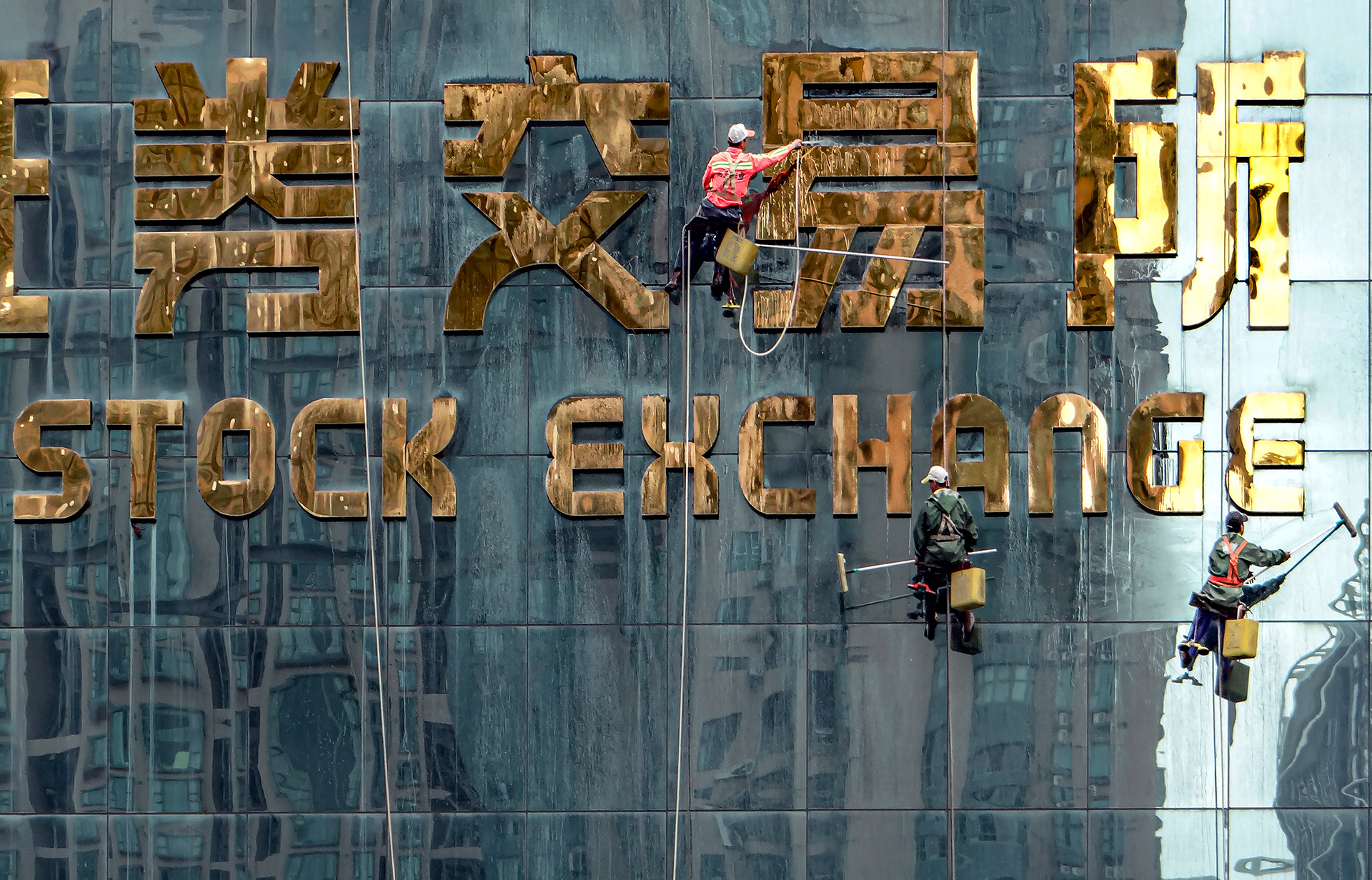
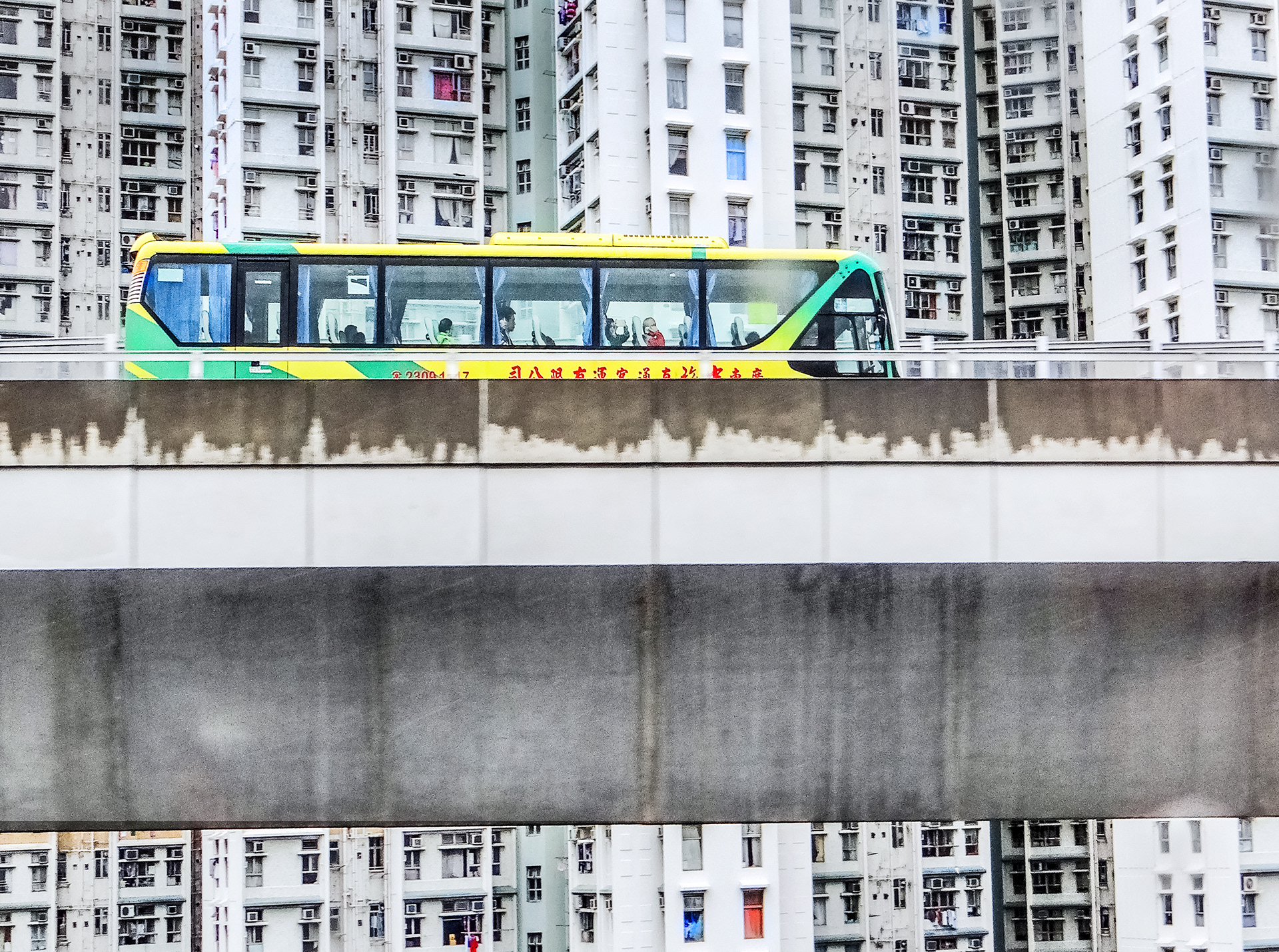
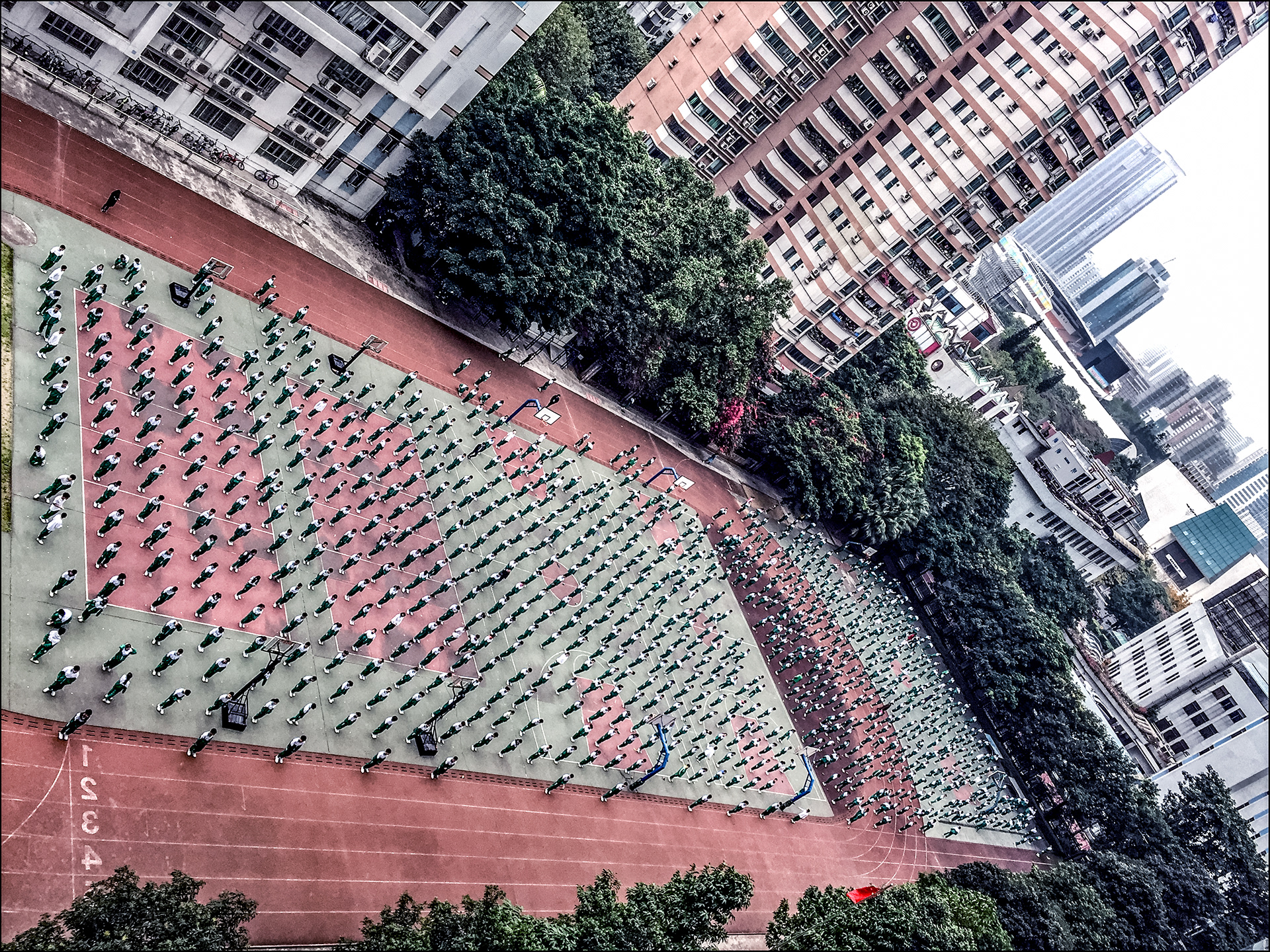
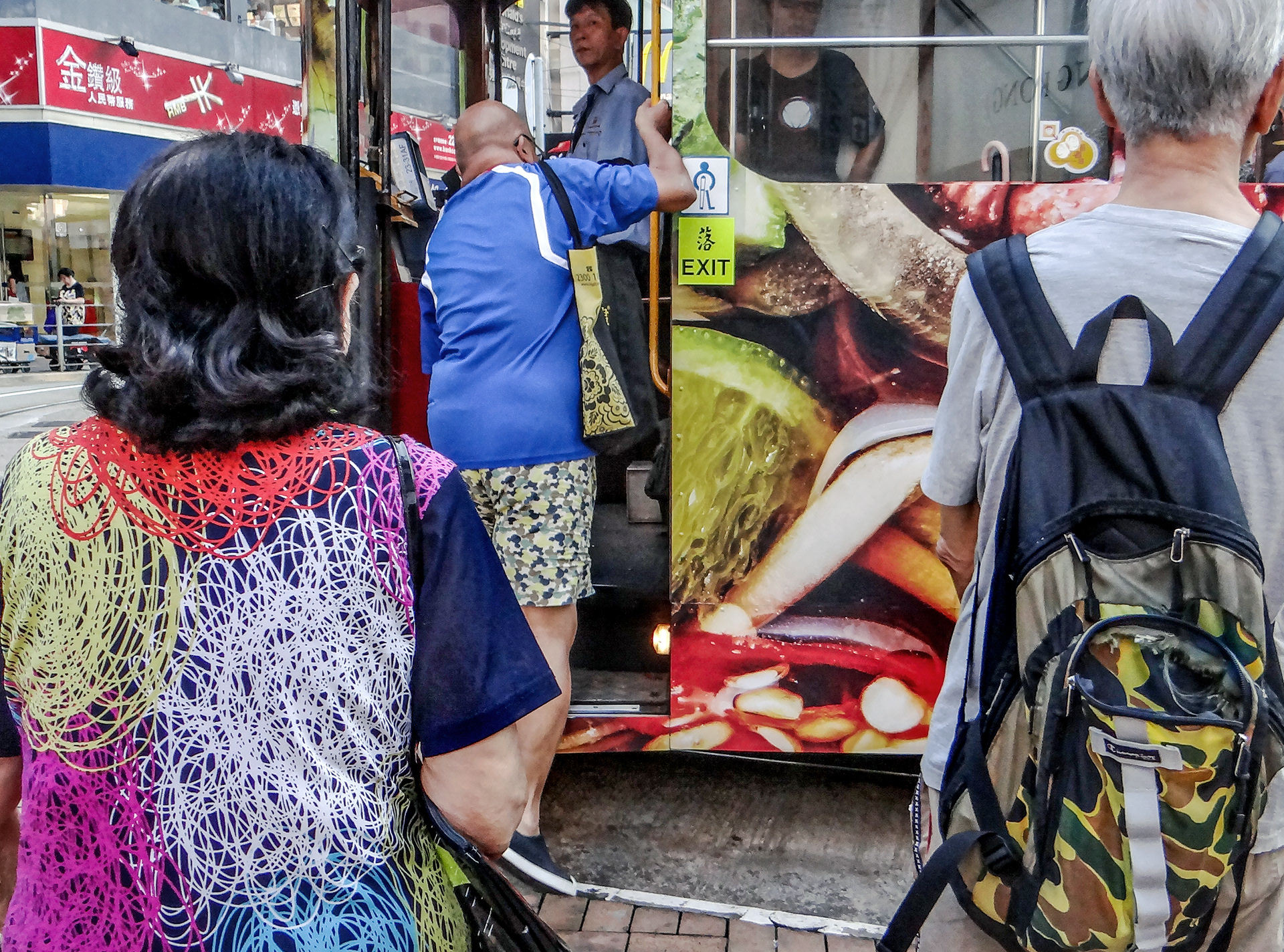
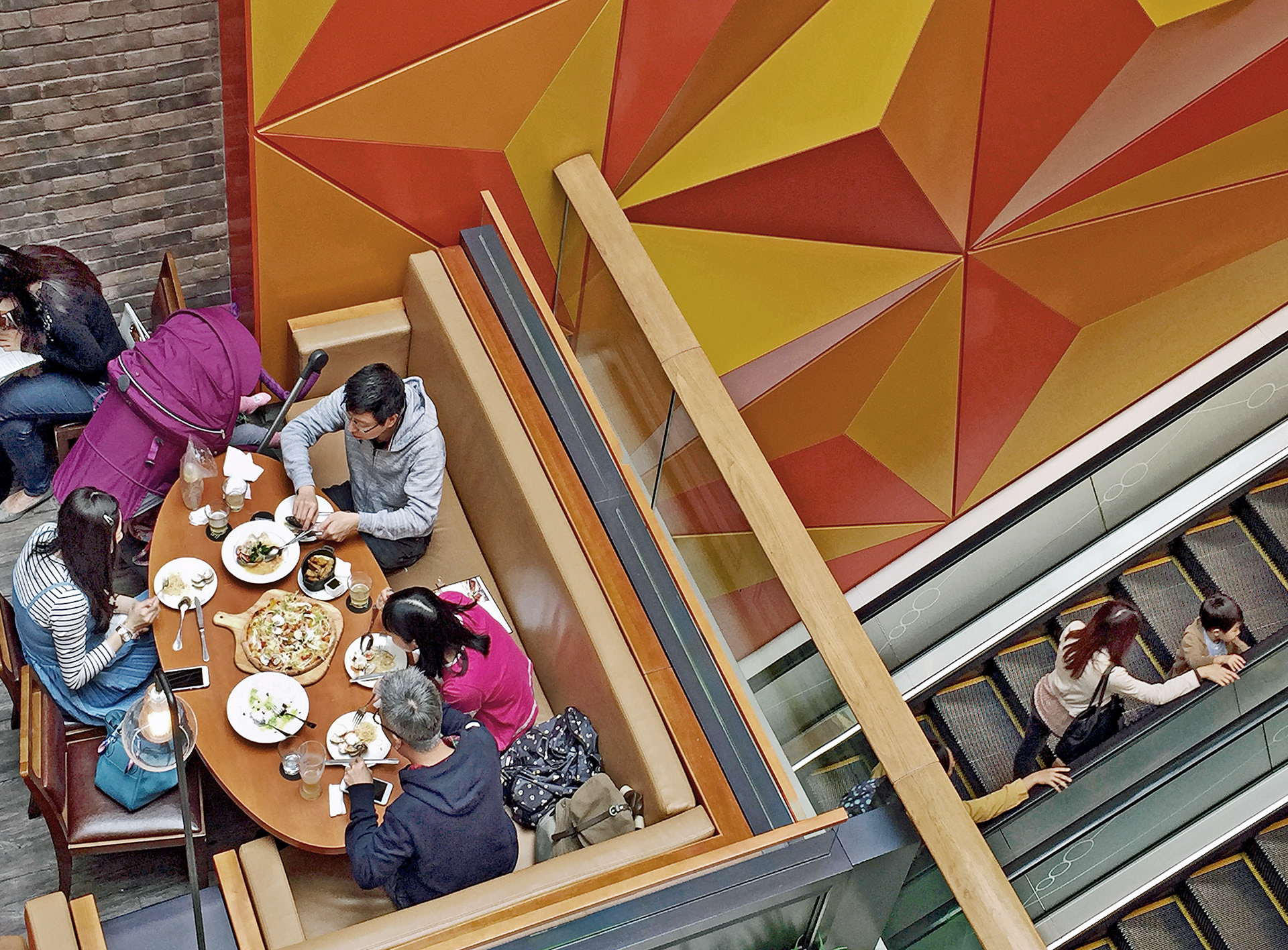
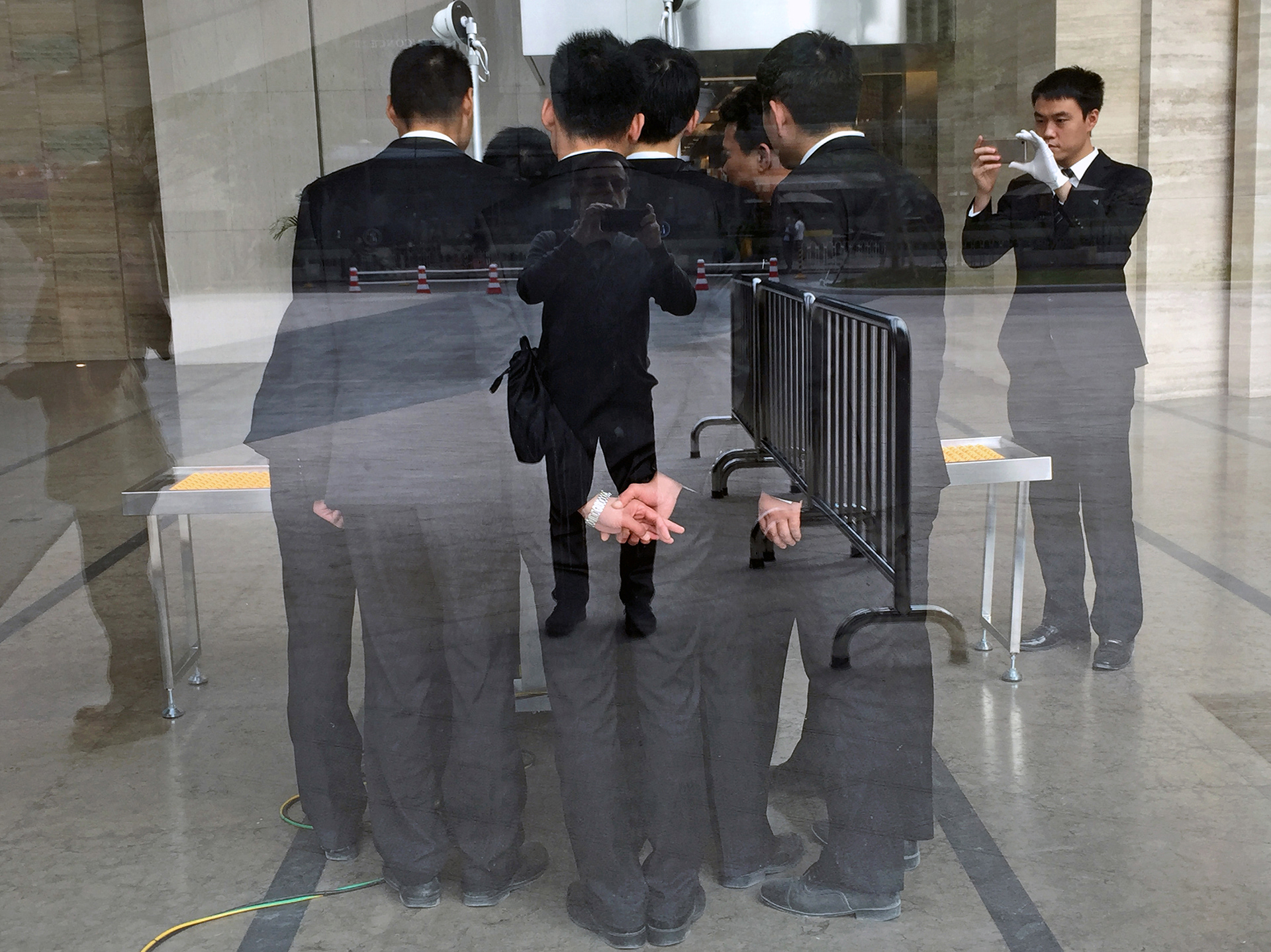
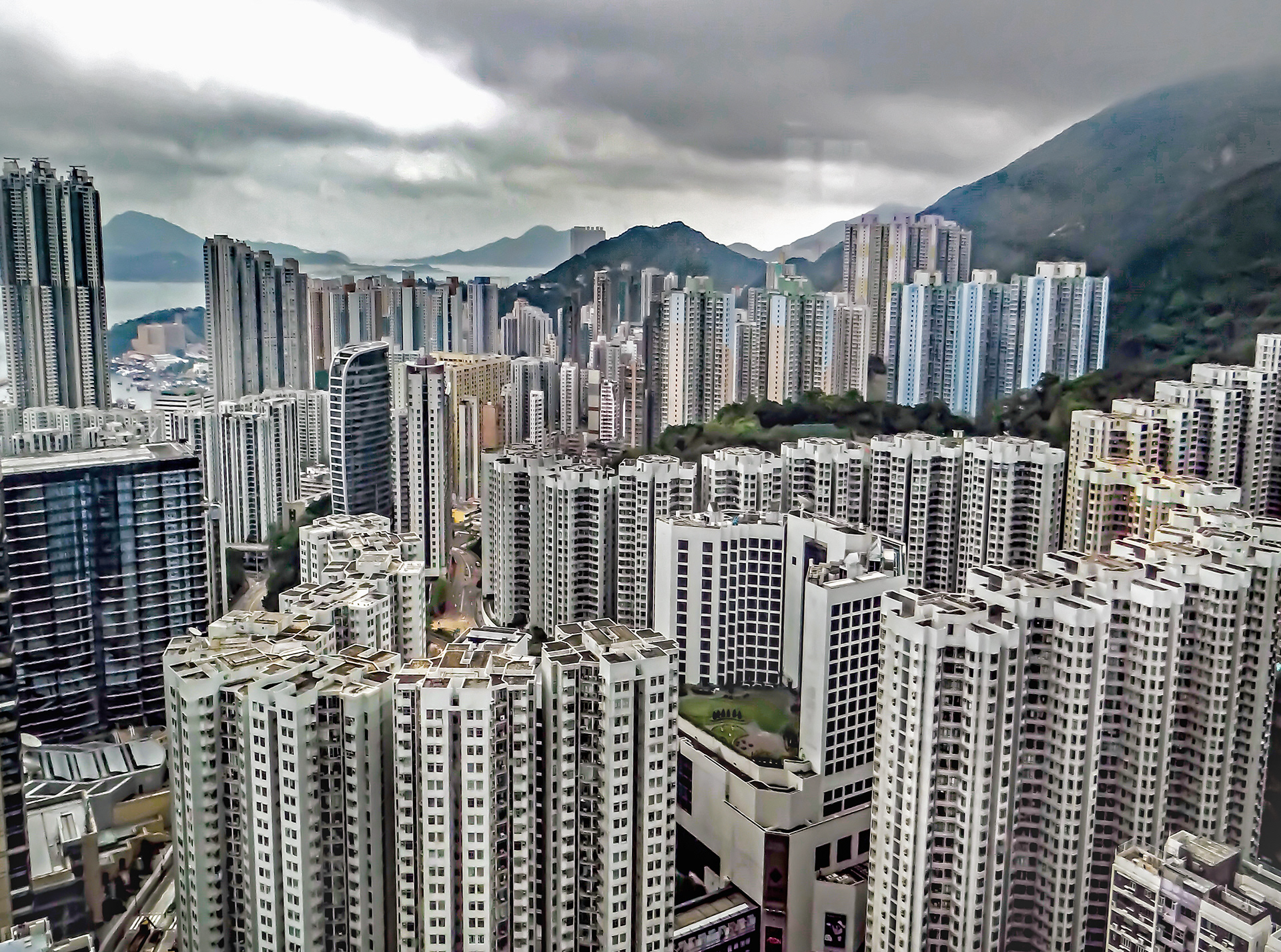

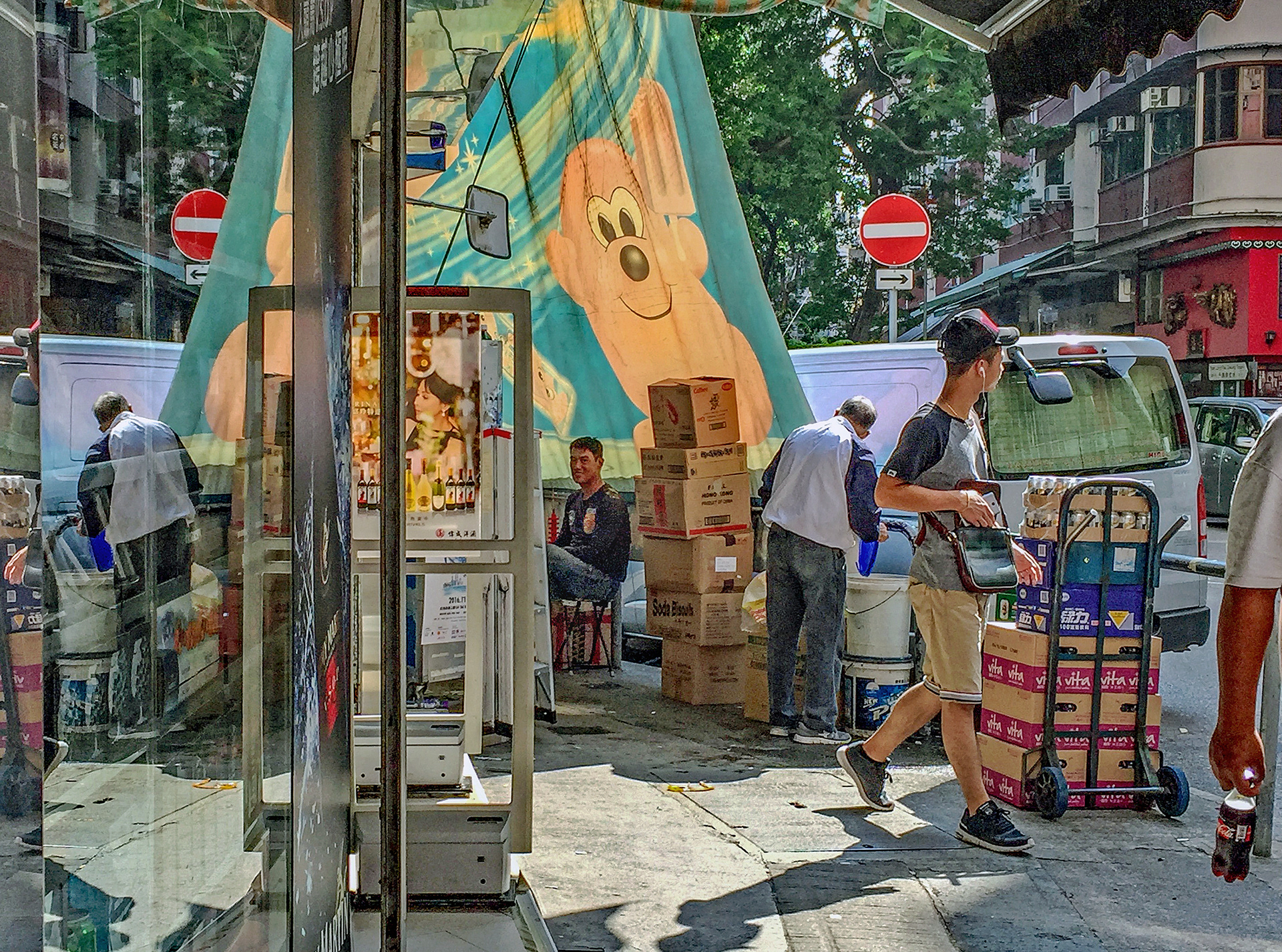
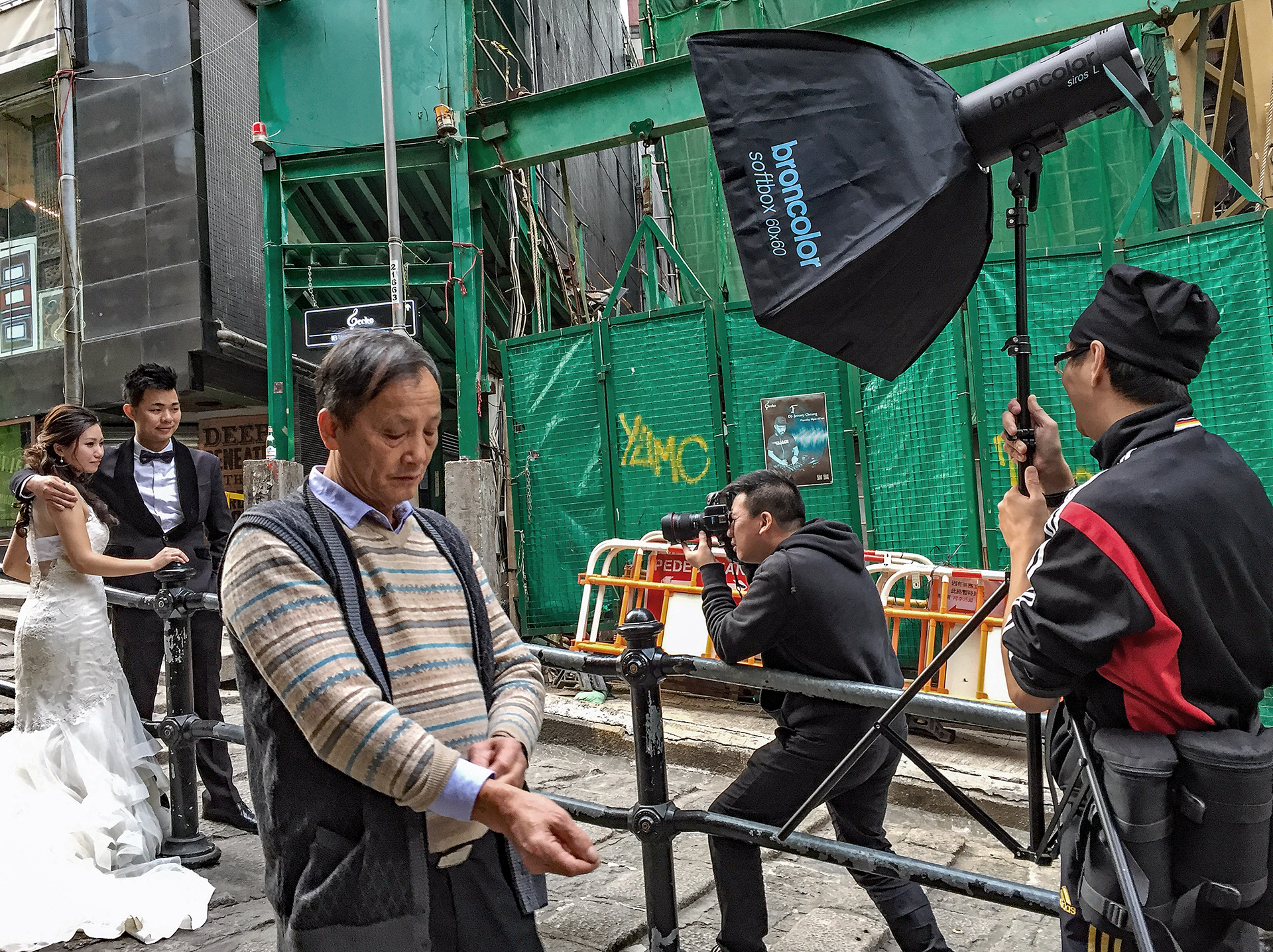
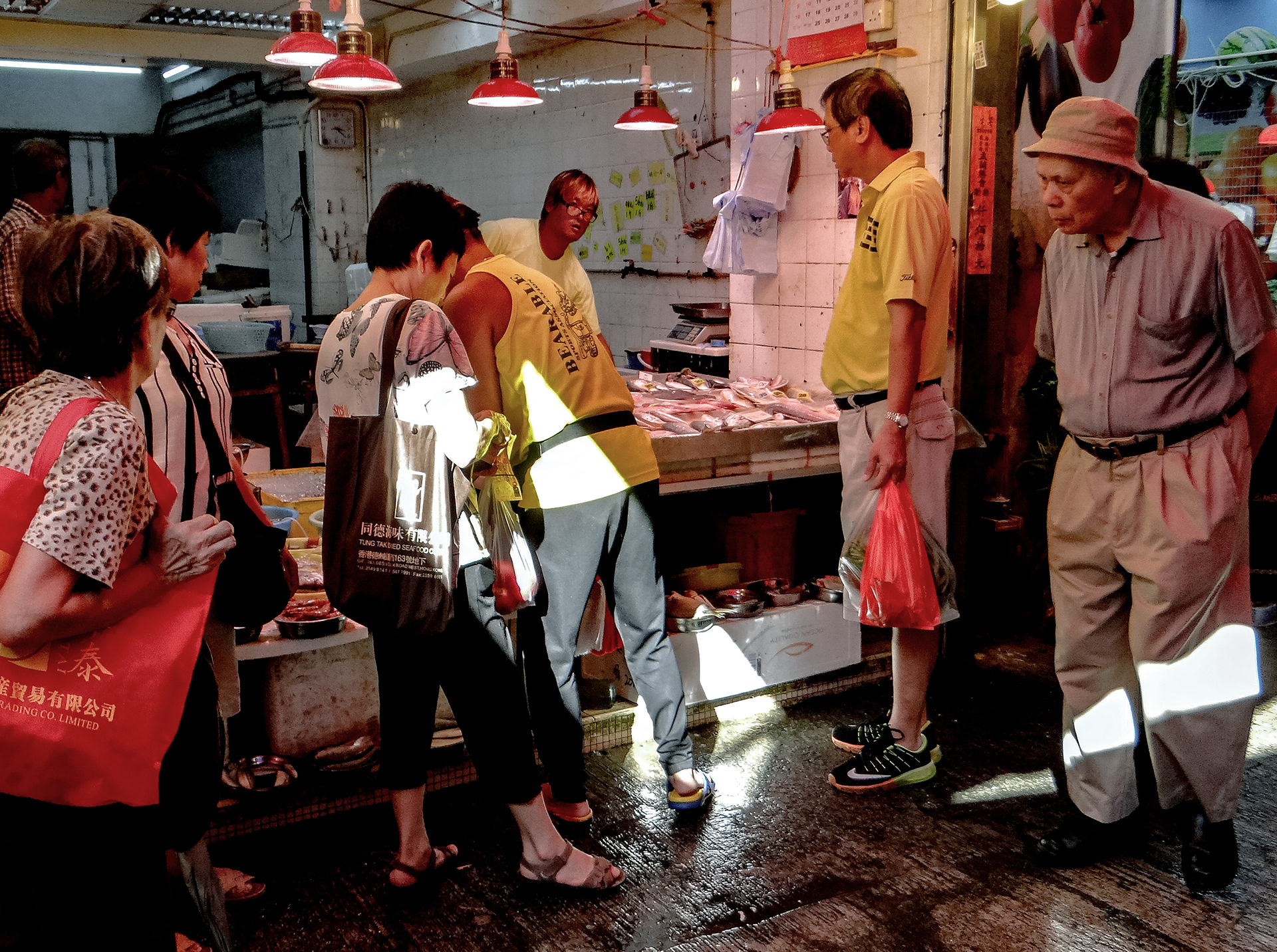

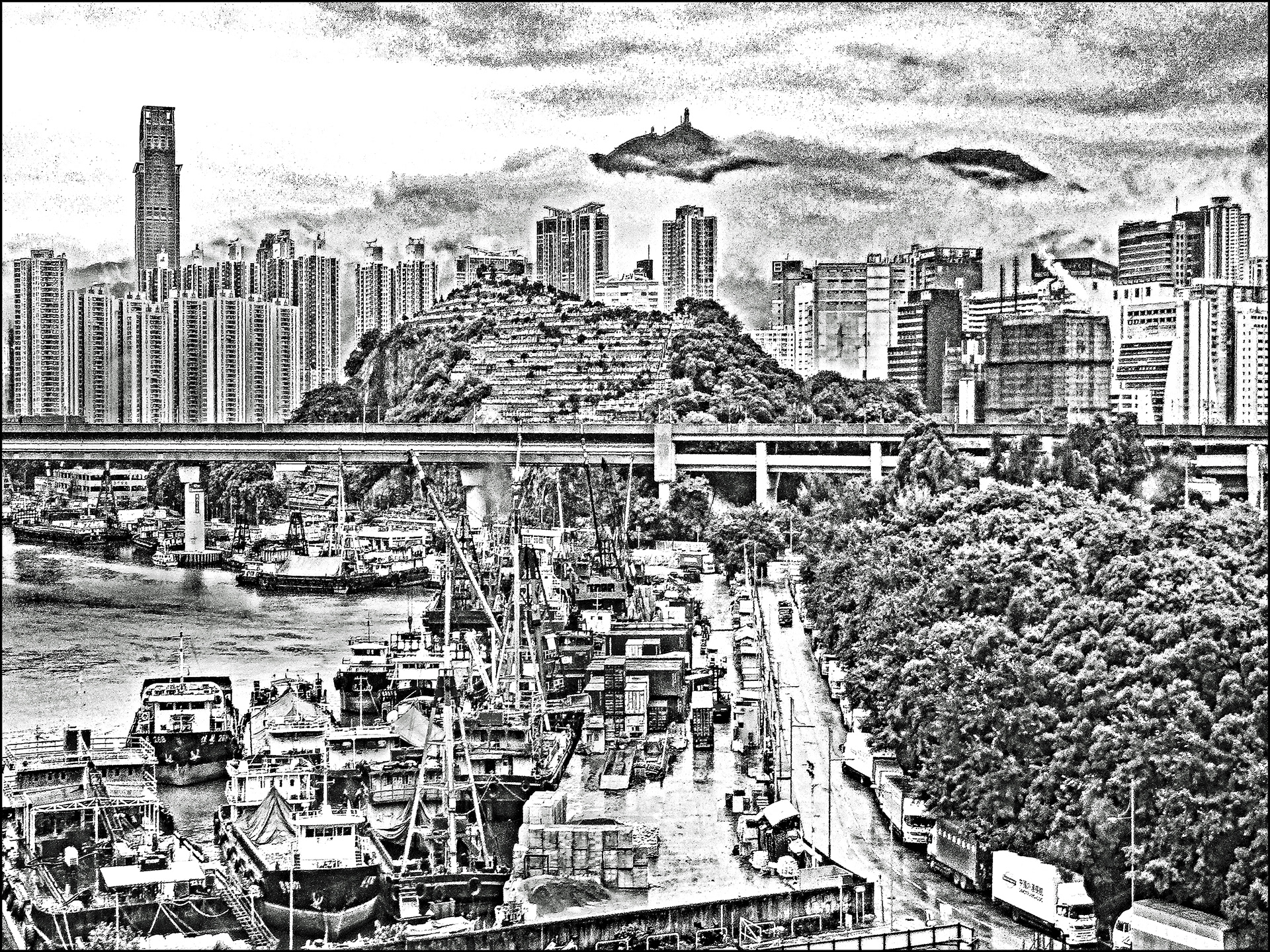
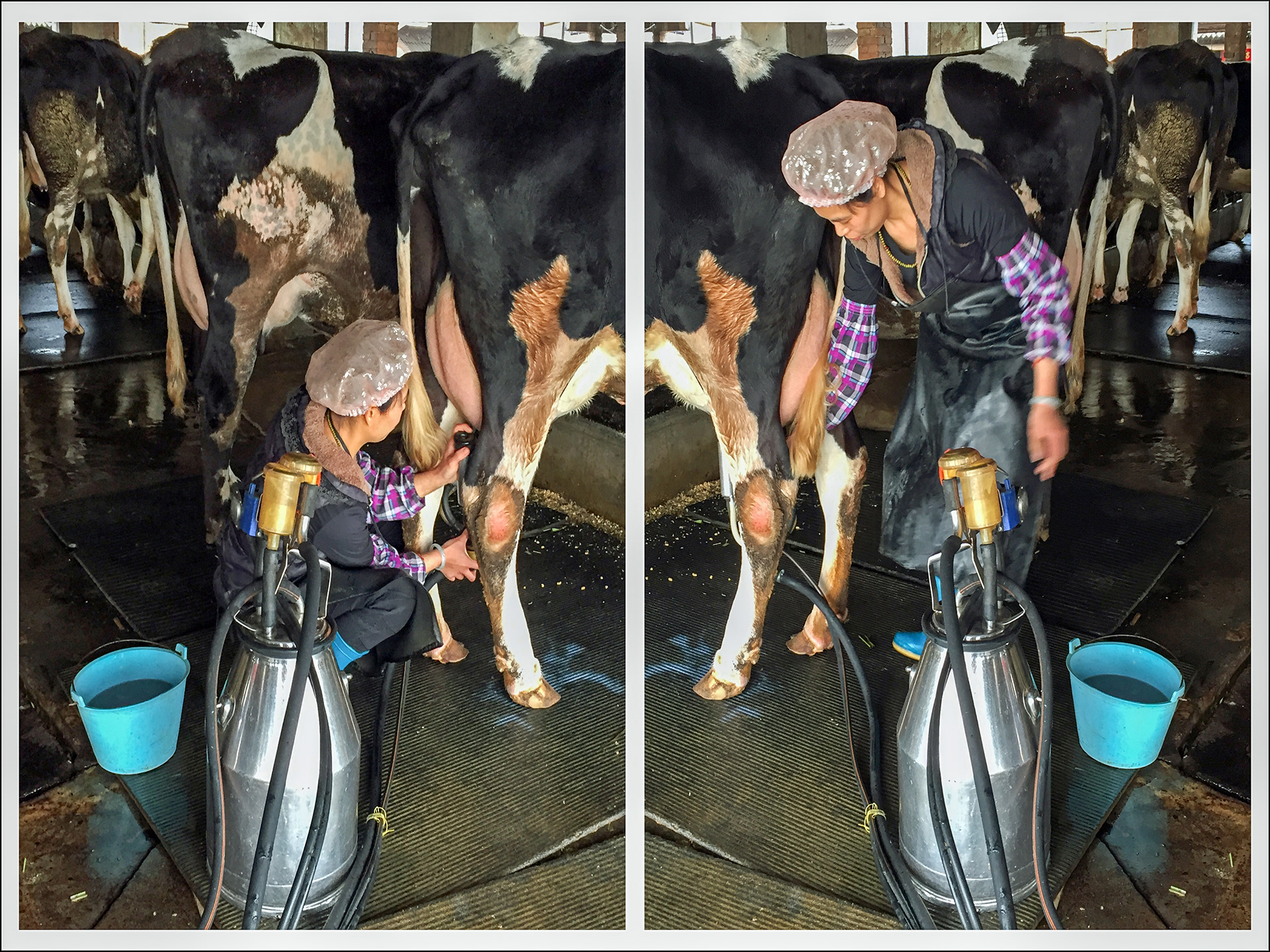
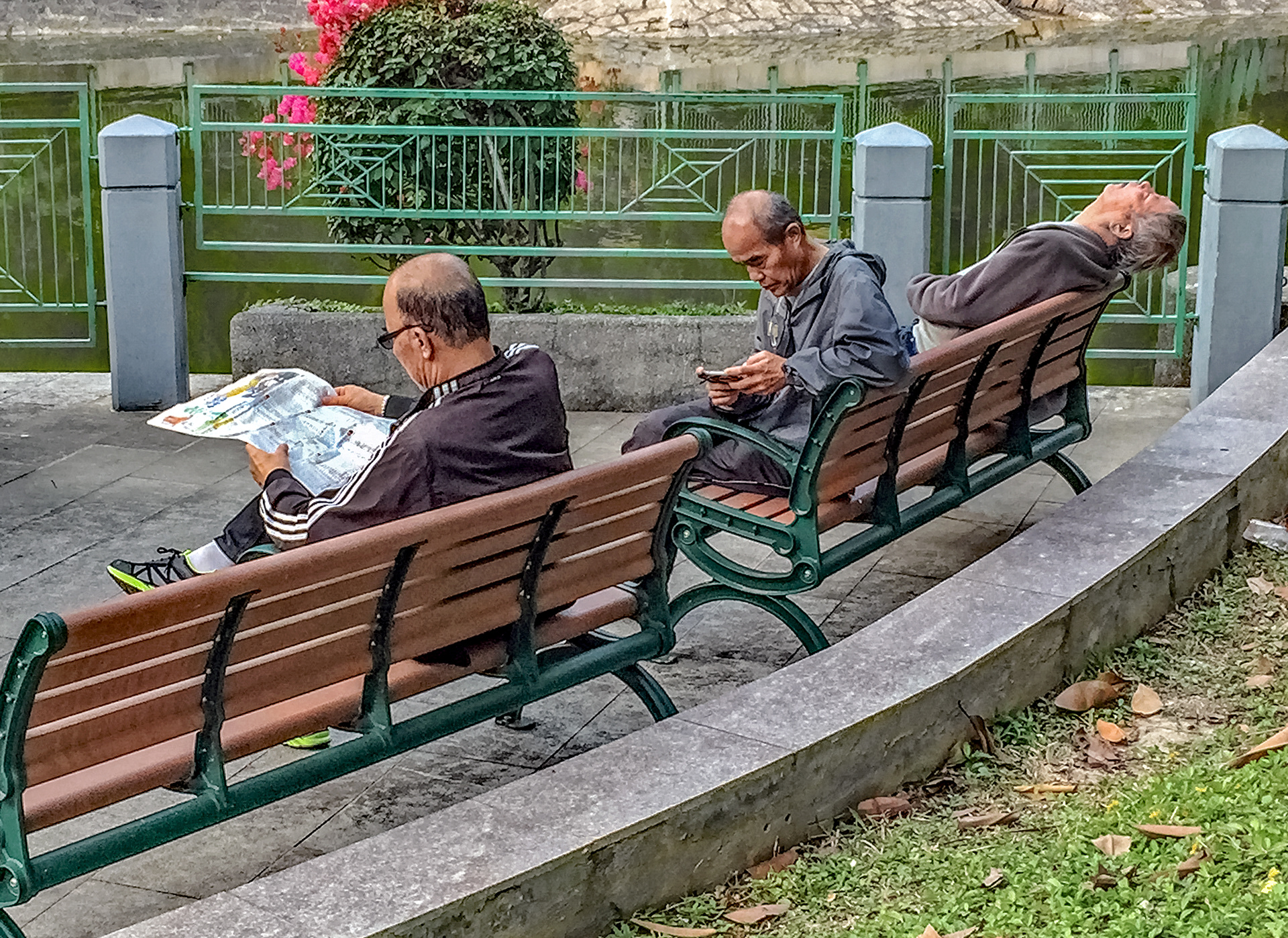
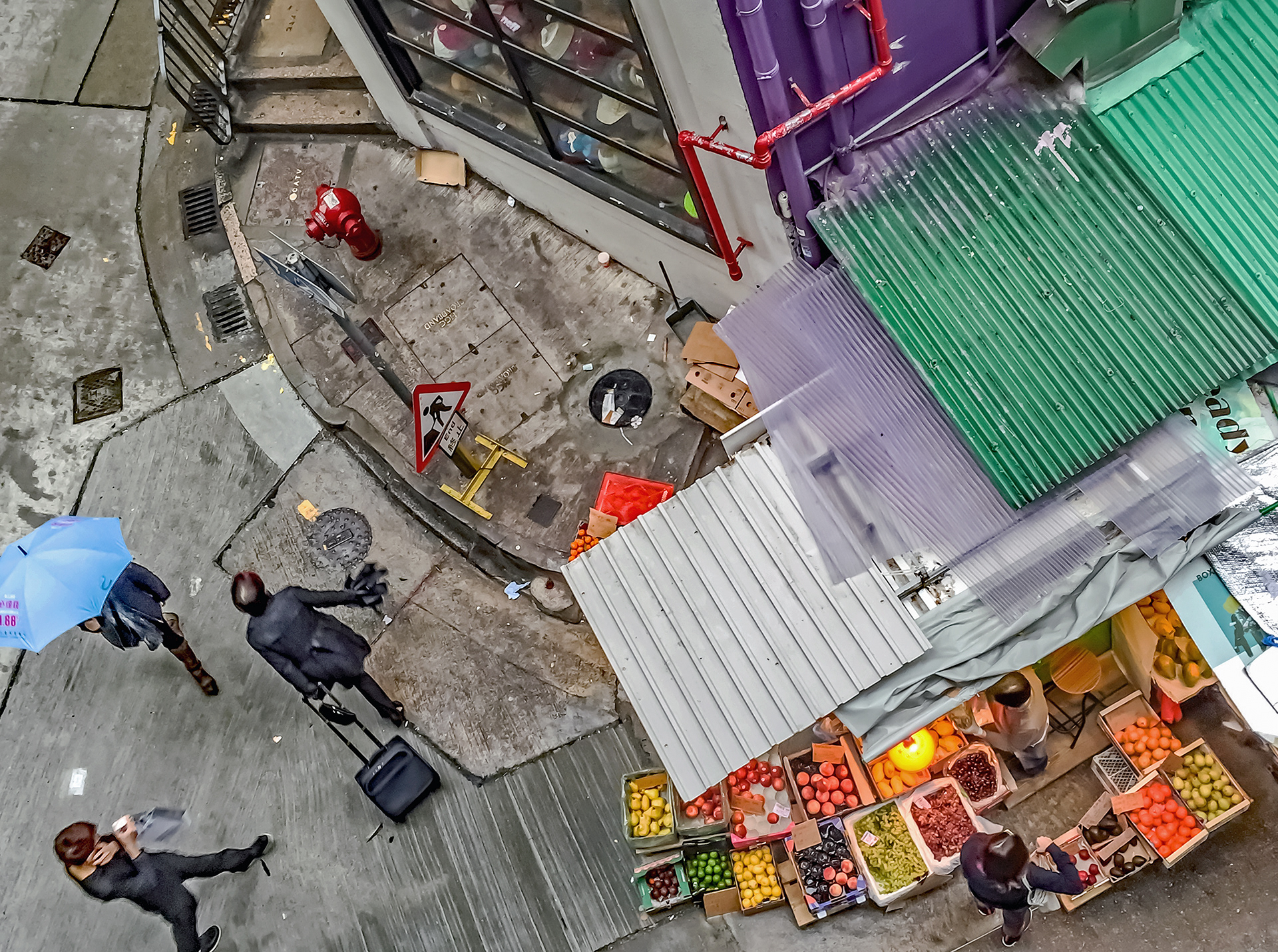
The sphere of Hong Kong, Shenzhen, Guangzhou, six other adjoining mega-cities, plus special administrative regions is inclusively referred to as the Greater Bay Area (GBA), or the Peal River megalopolis, which encompasses 86 million people. Across the globe, the region is considered a leading science and technology cluster. In addition, the GBA functions as a modern, scaled-up entrepôt region, bridging mainland China with global trade through historical and newly integrated financial and logistical hubs. An entrepôt is a port, city, or trading post where goods are imported, stored, or traded and then exported elsewhere, often without significant processing. While historical entrepôts were single cities like old Hong Kong or Singapore, the GBA applies this concept across an entire mega-region. Change in entrepôts occurs at various velocities across parallel realms and eco-niches in shifting ways. The experience of hybridity includes swift technological adoption, reframed legal allegiances and cultural heritage— all wrapped in the pragmatics of age-old perspectives. The twenty-lane super highways and bridges that roars into the province's capital city, for instance, simultaneously casts long shadows onto the municipality of Shunde's back-filled dirt roads that were previously carefully constructed water canals populated by carp feeding on silkworm waste dropped from mulberry trees that had until recently, been historically planted along their banks in support of sustainable ancient trades in craftsmanship. These photographs range from depictions of the then nascent Yellow Umbrella pro-democracy movement in Hong Kong, to the vantage point of sky scraper lookouts on the mainland; from the period just before the Covid pandemic curtailed protests—when the global market phenomenon Art Basel Hong Kong still reflected liberal speech— to what streets, parks, food markets, gay bars, temples and denizens on both sides of the redefined borders looked like during the ongoing preemptory transition towards Beijing rule.